Day 7
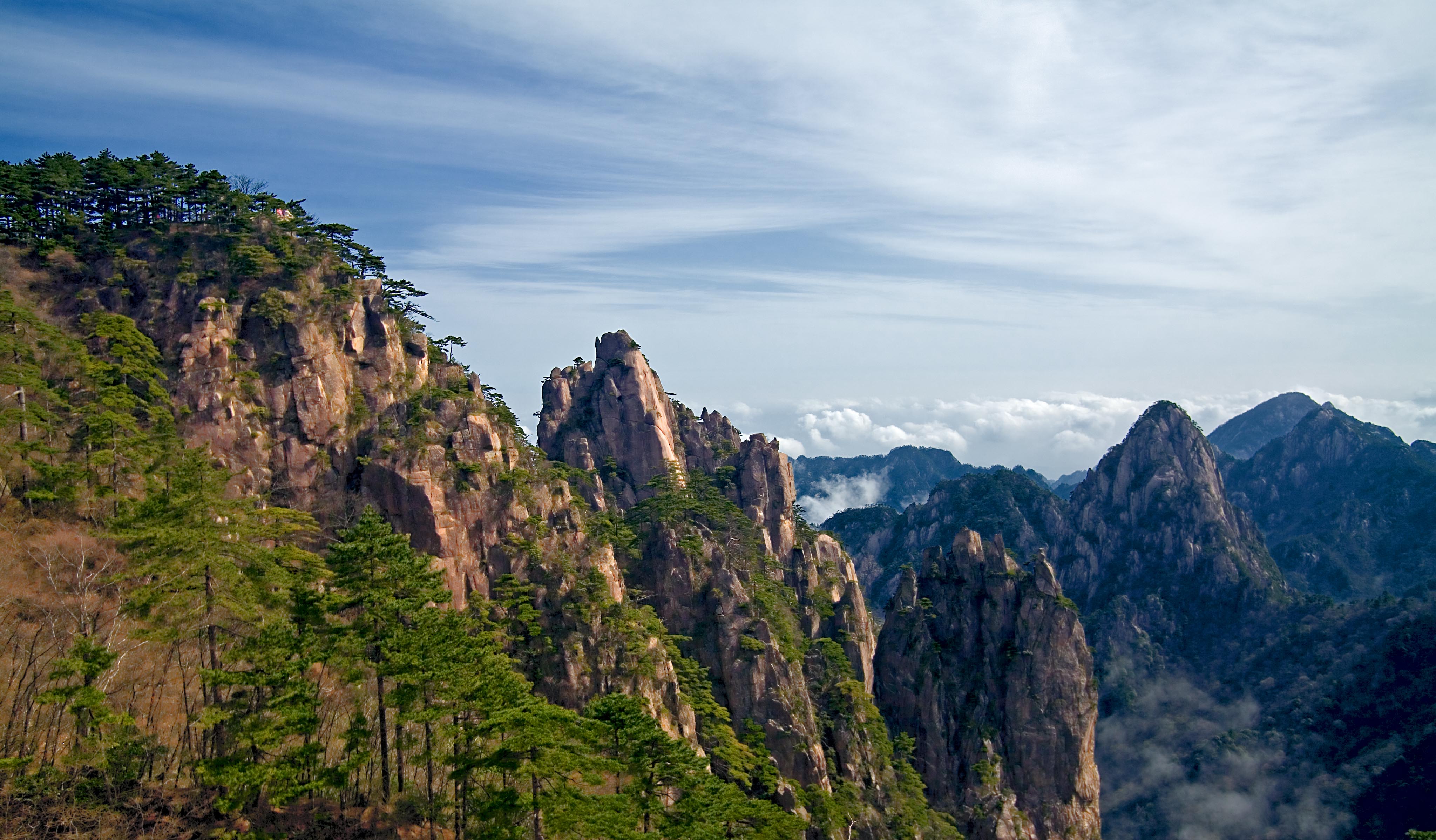
From Hangzhou, we will take a train to Huangshan City, which is the gateway to the famous Huangshan Mountain (Yellow Mountain). The yellow mountain is a UNESCO World Heritage Site and one of China’s most famous and scenic mountains. However, I did hear it can become quite crowded. Our plan is to take the cable car up to the mountain and then stay overnight in one of the hotels to also take in the sunrise and sunset views and have a more quiet experience. Which I have heard is also not completely quiet, because a lot of people stay overnight camping as well.
We chose to stay at Huangshan Baiyun Hotel. Before going up the mountain, we will probably dump our main luggage somewhere at the station or something, and only take a small backpack with us. We just randomly chose this hotel, it seemed good. There are multiple cable cars which can be used to go up. The hotel states the following: “Visitors can choose to enter from the South Gate, take the Yungu Cableway and walk for 1.5 hours or take the Yuping Cableway and walk for 2.5 hours; or they can choose to enter from the North Gate, take the Taiping Cableway and walk for 1.5 hours to reach the hotel.”
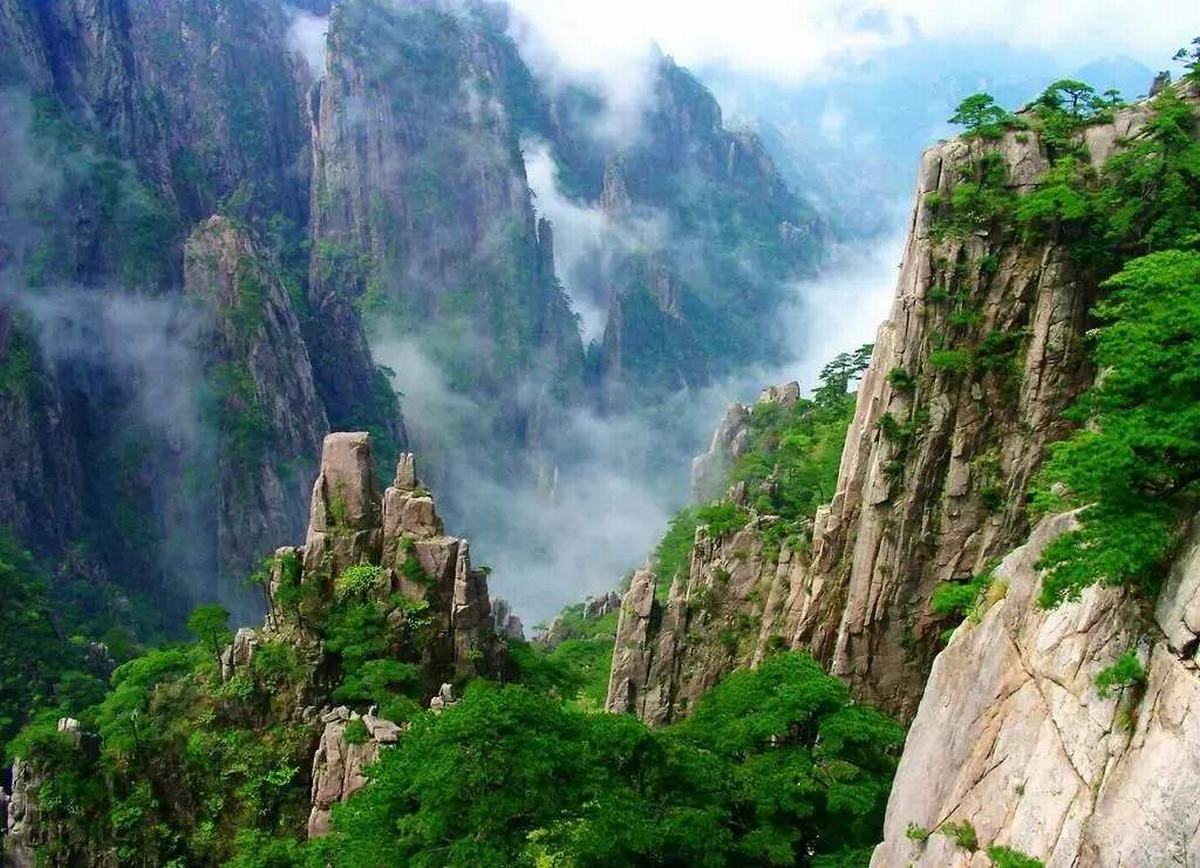
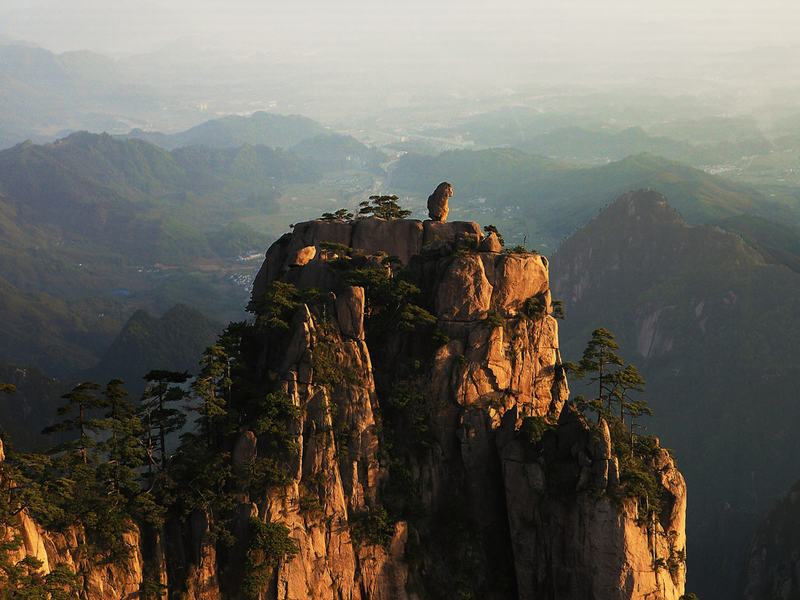
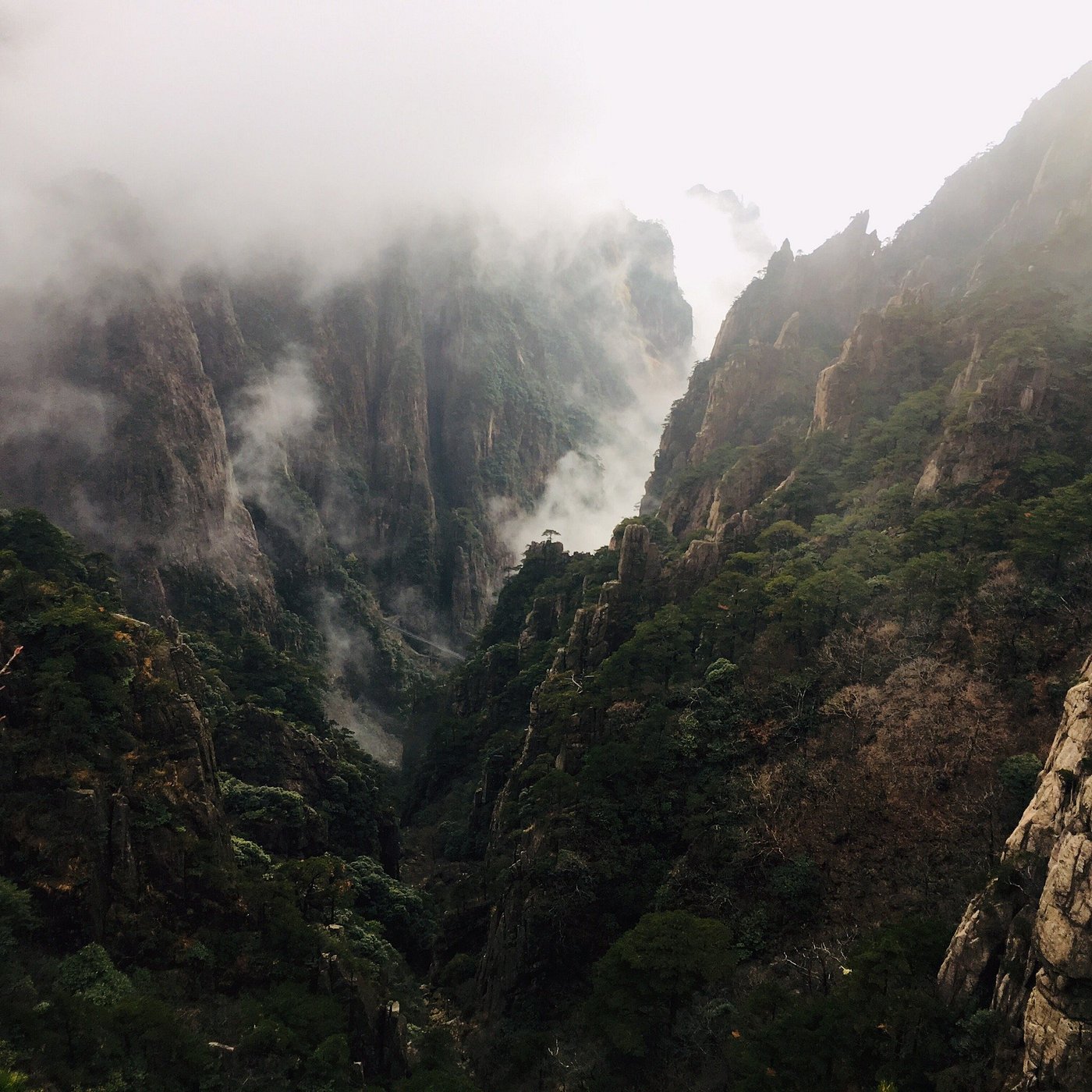
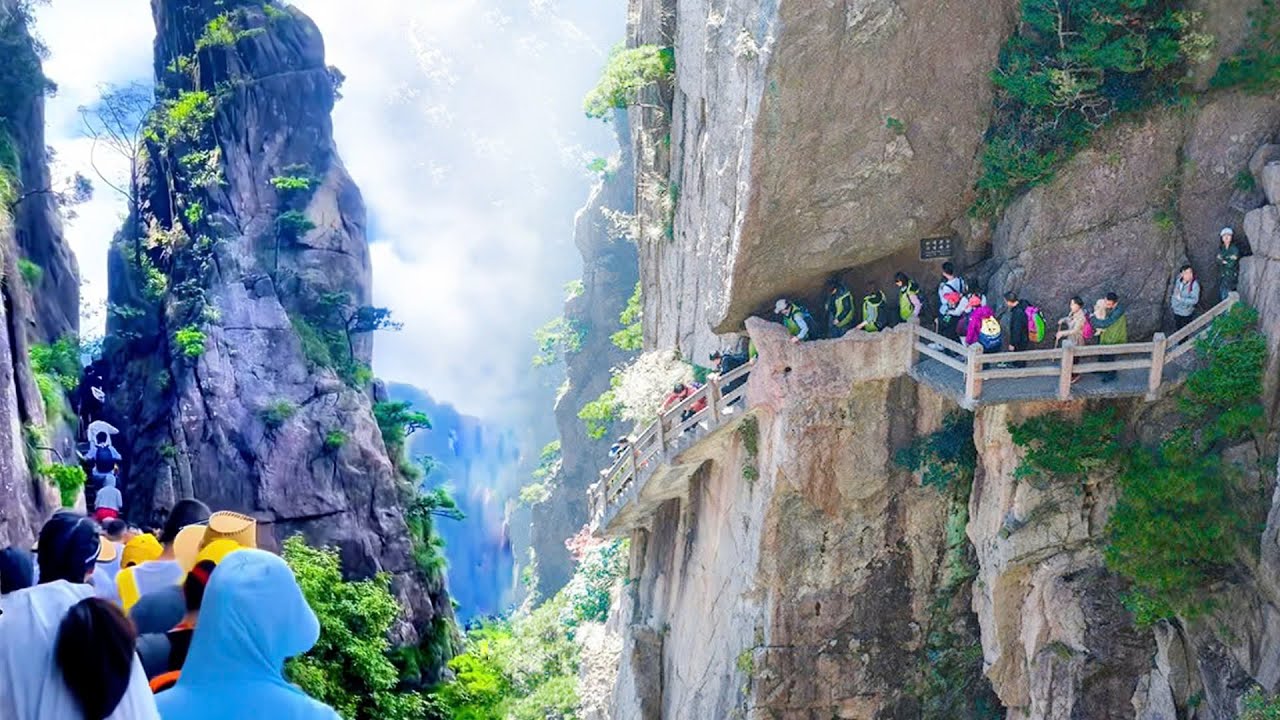
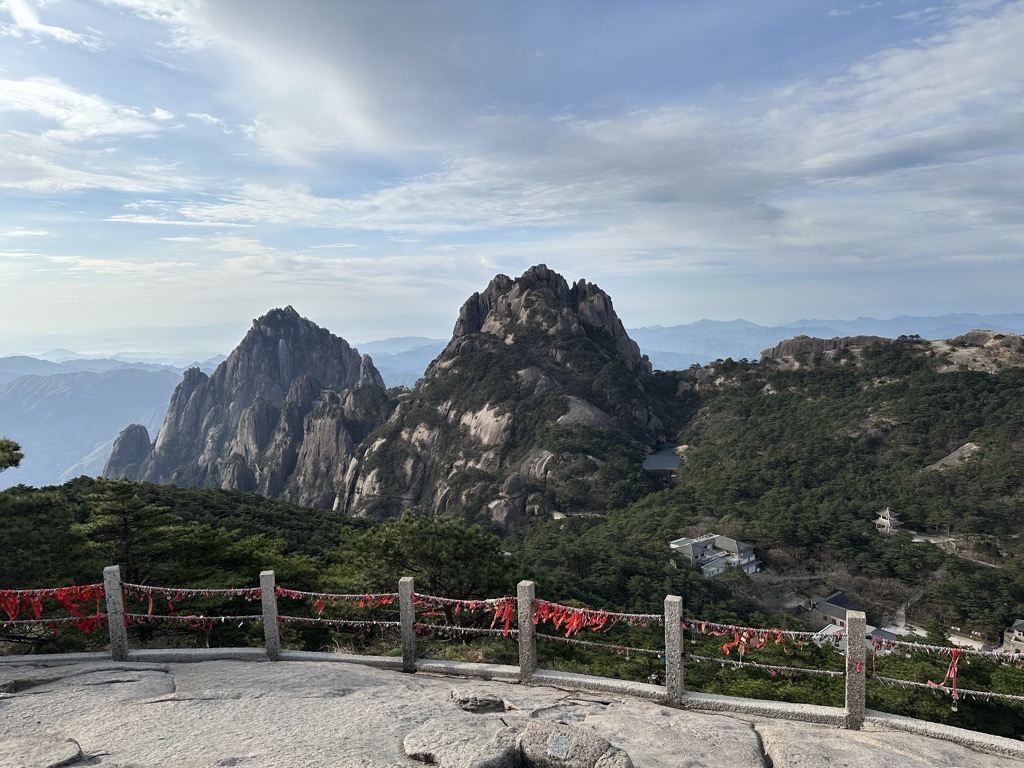
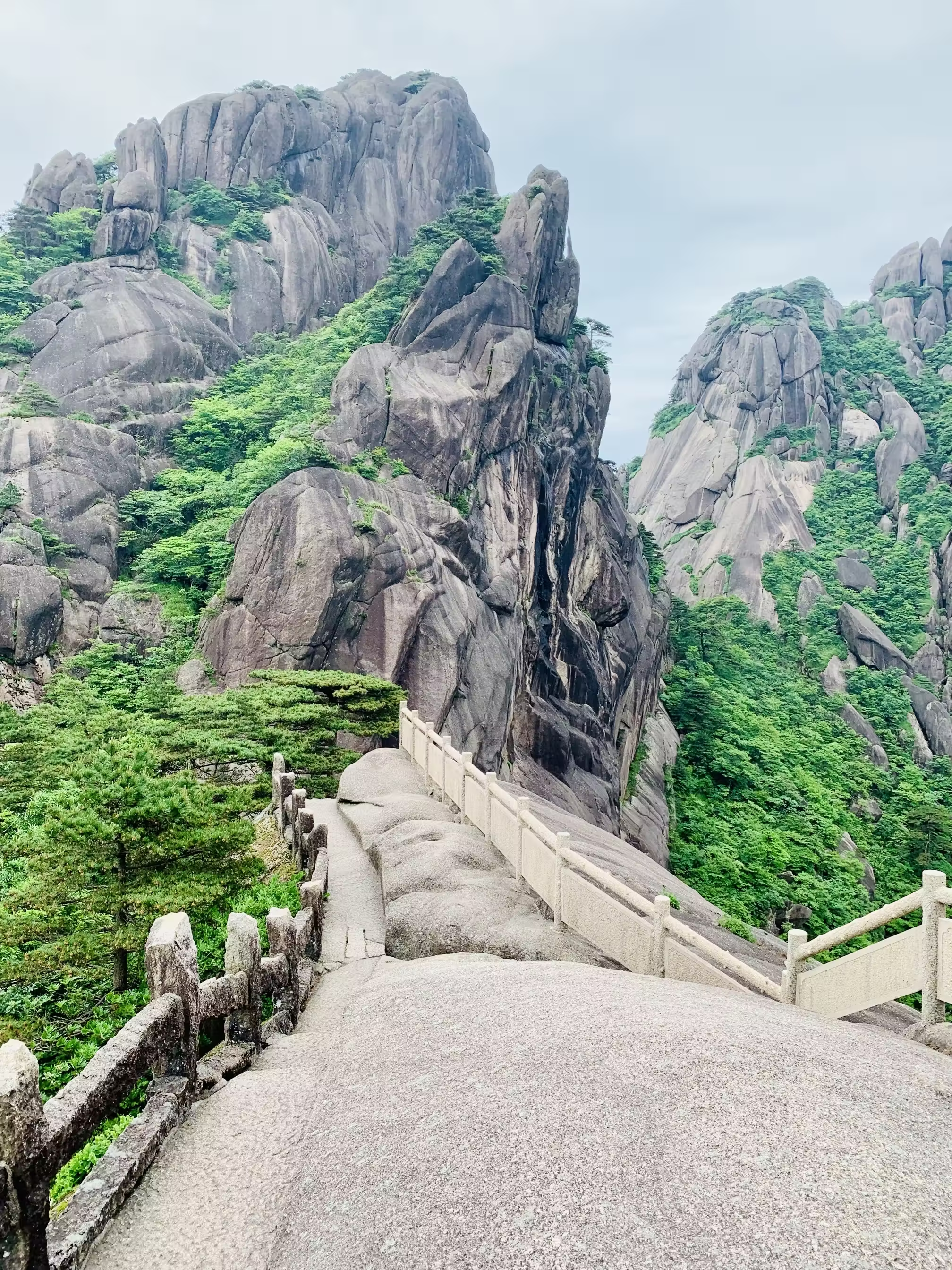
Based on ChatGPT, we will do the following plan: First, we will enter Mount Huangshan through the South Gate and take the Yungu Cableway up the mountain. This allows us to skip the long initial climb and start our hike high up in the back-mountain area. From there, we will walk to Shixin Peak, which is also known as Beginning-to-Believe Peak. Its name comes from the idea that visitors only truly begin to believe how beautiful Huangshan is after reaching this part of the mountain. Shixin Peak is approximately 1,683 metres high and is only a relatively short walk from the upper Yungu Cableway station. The area is especially known for its granite peaks, unusual rock formations and Huangshan pine trees. We will then continue into the Beihai Scenic Area. Beihai is not one specific attraction, but one of the main scenic areas of Mount Huangshan. It is located in the back-mountain region and contains a large number of viewpoints, rock formations and famous Huangshan pine trees. While we are in the Beihai area, we will visit Monkey Watching the Sea. This is a famous natural granite rock formation that resembles a monkey sitting on a rock and looking out over the mountains. When the valleys are filled with clouds, it looks as though the monkey is watching a sea of clouds below it. After that, we will continue towards Paiyun Pavilion. Paiyun Pavilion is a famous viewpoint on the western side of Huangshan and looks out over the surrounding granite peaks and valleys. It is also the main entrance point for our next part of the hike: Xihai Grand Canyon. Next, we will descend into Xihai Grand Canyon. This is one of the most dramatic parts of Huangshan, with steep cliffs, narrow stairways and enormous granite formations surrounding the trail. The canyon is considerably lower than the surrounding mountaintop areas, so most of this section will be downhill. Instead of hiking all the way back up after descending into the canyon, we will take the Xihai Grand Canyon sightseeing cableway from the lower part of the canyon up towards Tianhai. Huangshan officially lists Xihai Grand Canyon as one of the mountain’s four cableway systems. From Tianhai, it is only a short walk to Baiyun Hotel, where we will stay for the night. If the weather and timing are good, we will finish the day by walking up to Bright Summit (Guangmingding) for sunset. Bright Summit is one of the main high points of Huangshan and is very close to Baiyun Hotel, making it a convenient place to watch the sunset before returning to the hotel.
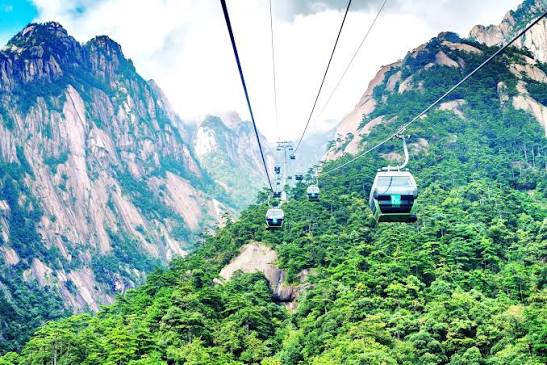
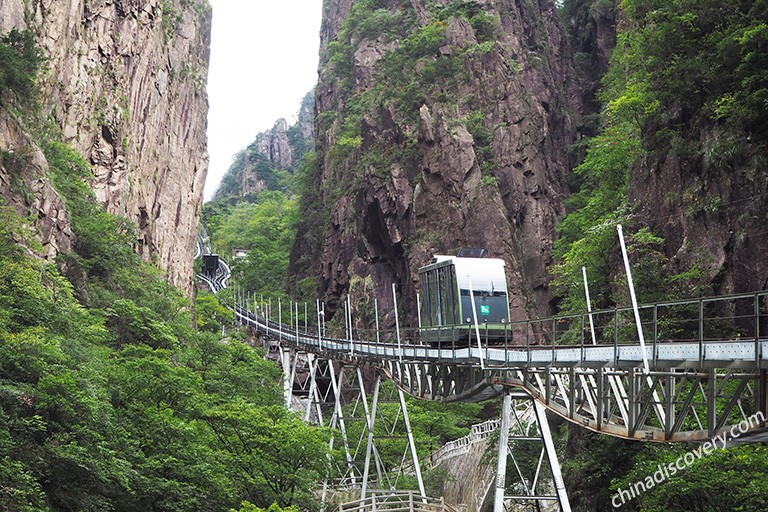
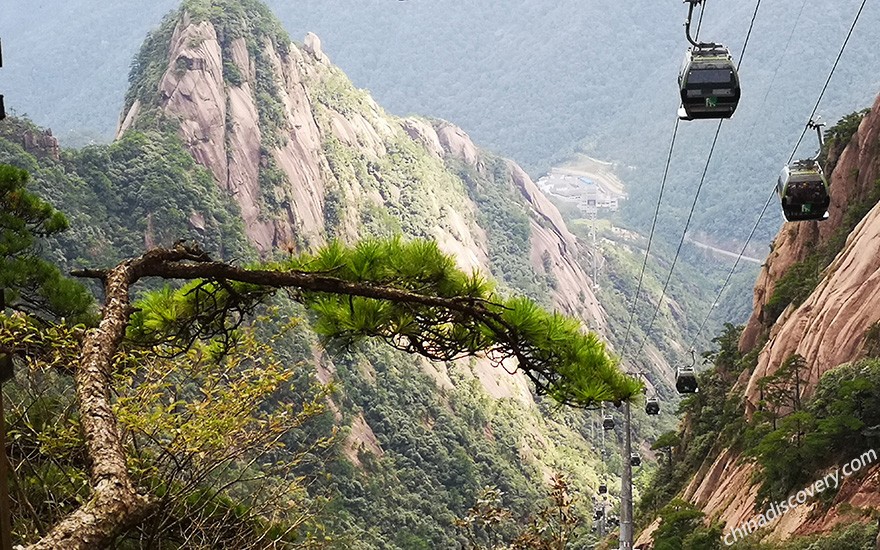
Yungu Cable Car
Day 8
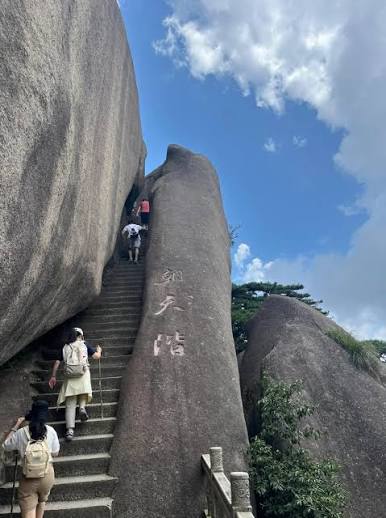
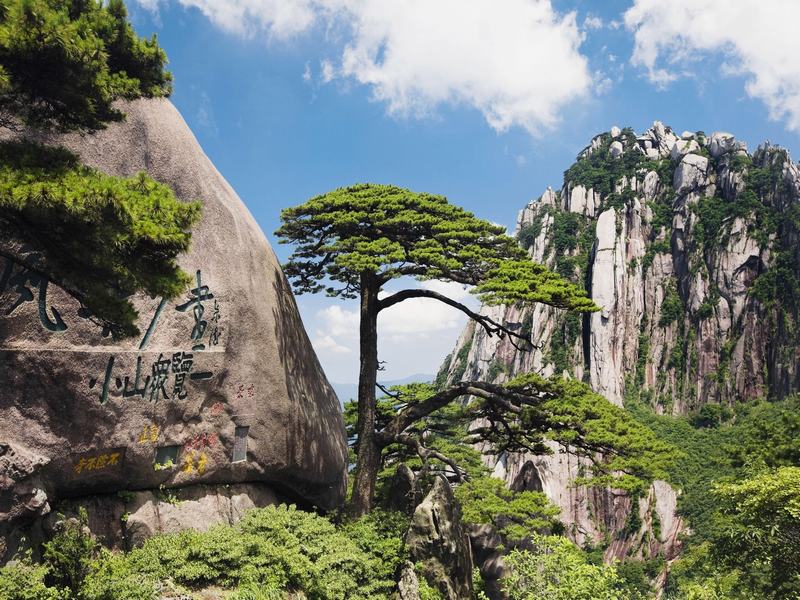
On the second day, we have less time, so we will follow a more direct route across the front-mountain side of Huangshan and then descend using the Yuping Cableway. If we want to get up early, we can first walk from Baiyun Hotel to Bright Summit to watch the sunrise. Since Bright Summit is very close to the hotel, this should not add too much time to the day. After breakfast and checking out of Baiyun Hotel, we will start walking towards Aoyu Peak, also known as Carp Peak. This is another major viewpoint along the route and sits between the Tianhai area and the southern part of the mountain. The trail across this area gives us views of the surrounding granite peaks before beginning the descent towards Yuping. From Aoyu Peak, we will continue towards the Hundred-Step Cloud Ladder. This is one of the more famous stairway sections of Huangshan, consisting of a steep stone staircase built into the mountain between large granite cliffs. We will then continue towards the Yuping Scenic Area, where we will see the Welcoming Pine. The Welcoming Pine is probably the most famous tree on Mount Huangshan and has become one of the symbols of the entire mountain. Its long branch stretches outward in a way that resembles someone welcoming arriving visitors. After seeing the Welcoming Pine and the surrounding viewpoints, we will walk to the upper station of the Yuping Cableway. We will then take the Yuping Cableway down the mountain and return to the South Gate. This gives us a relatively short second day while still allowing us to see several of the main sights on the front-mountain side of Huangshan.
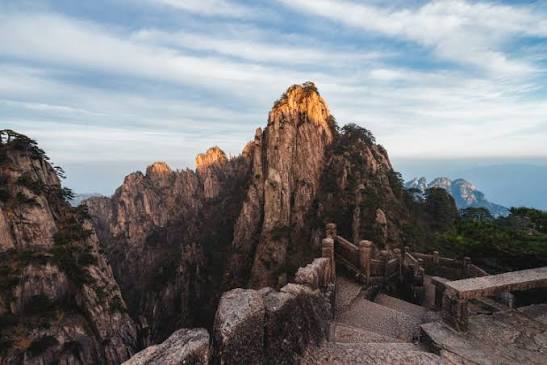
Bright Summit
After descending the mountain, we will take a bus to Huangshan City and then take a train to Beijing. This is a very long train, so we will need to be there on time.
Accommodation
We will be staying at the Baiyun Hotel, which is located on top of the mountain itself.
- Address: Near Haixin Pavilion, Inside Tianhai Scenic Area (Front Desk located in Hotel Zone A), Huangshan District, Huangshan City, Anhui, 245800, China
- Check-in: Check-in: After 14:00