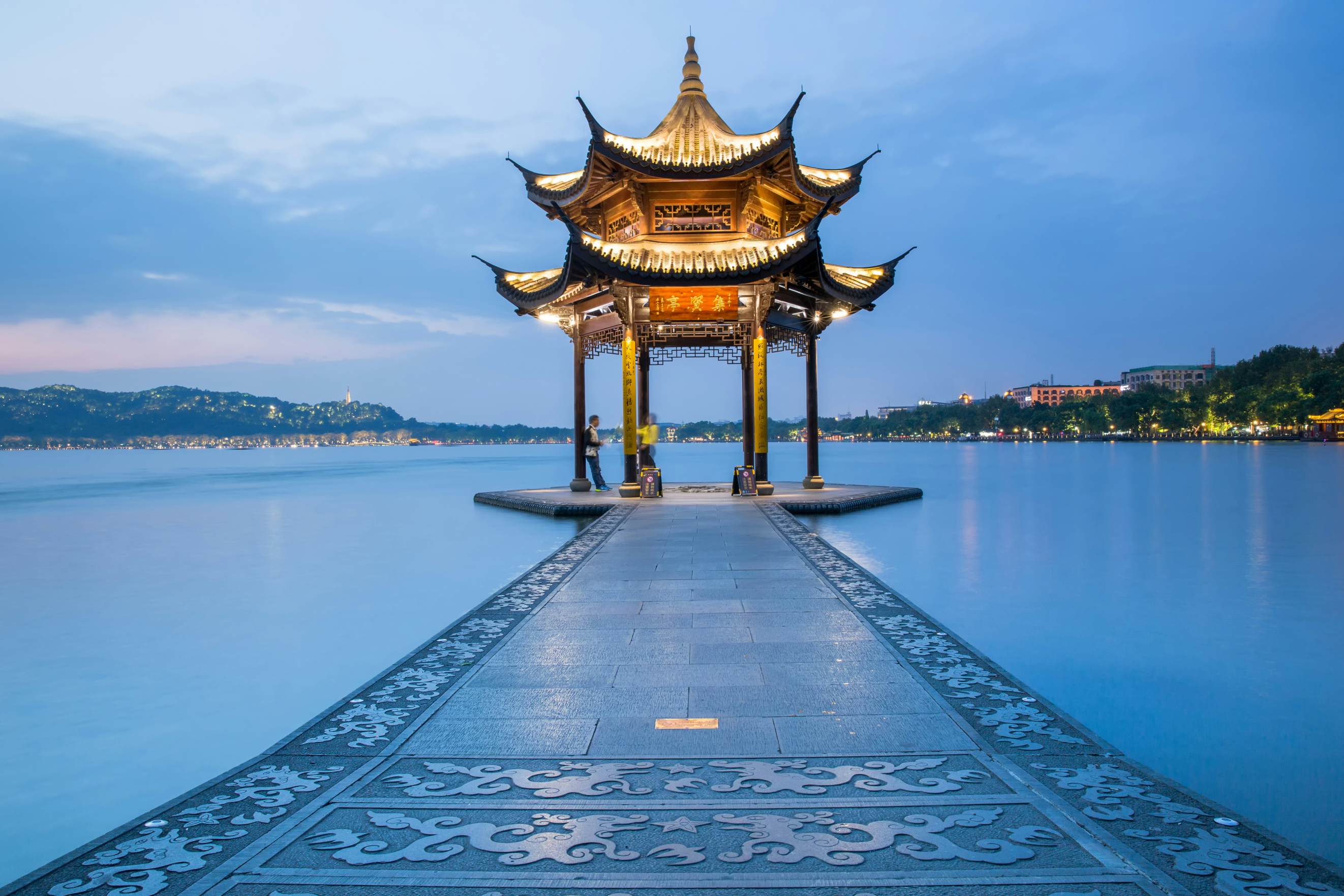
Day 4
- Arrive at the train station from Shanghai
Hangzhou has a history spanning over 5,000 years, beginning with the Neolithic Liangzhu culture. It was officially founded as a county during the Qin dynasty in 221 BC, grew into a major economic hub upon the completion of the Grand Canal in 610 AD, and served as the glorious imperial capital of the Southern Song dynasty. This is why we first visit the:
Hangzhou Museum (Nan Song Yu Jie)
Hangzhou Museum a national first-grade comprehensive museum located at 18 Liangdaoshan in the Shangcheng District of Hangzhou, Zhejiang, China. Formerly known as the Hangzhou History Museum, it showcases the rich historical changes, cultural evolution, and regional heritage of Hangzhou through extensive artifact collections and themed exhibitions. It has over 10000 cultural relics, including ancient ceramics, calligraphy, paintings, and historical documents. The museum’s architecture combines traditional Chinese elements with modern design, creating a visually striking space that complements its exhibits.
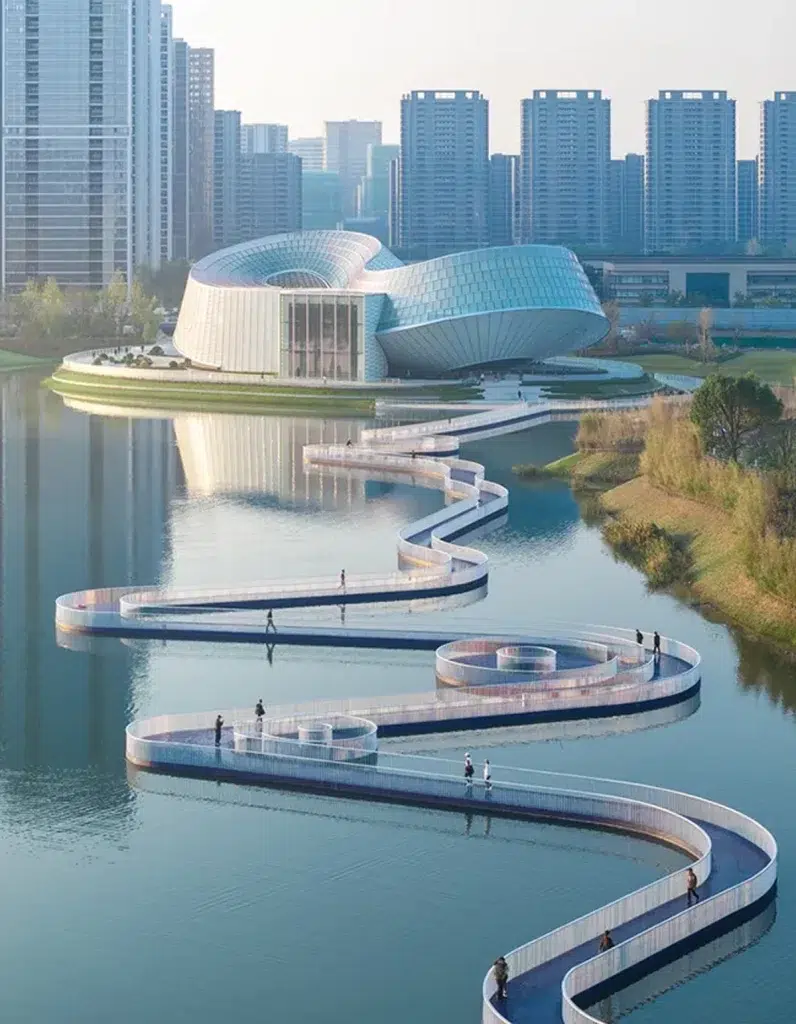
Hangzhou Museum
Qiaoxi History Jiequ
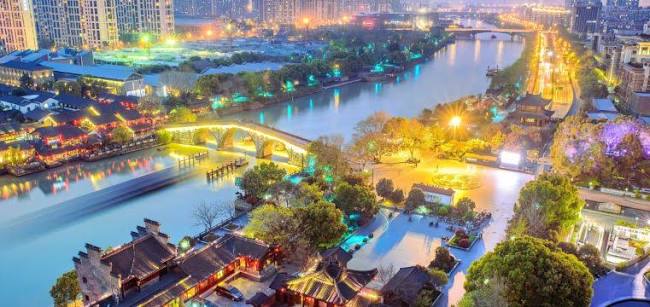
The museum can take quite long, and Qiaoxi History Jiequ is not that close to the center, so we will have to see if we go here. So what is this place? Qiaoxi Historical and Cultural Block) is a preserved canal-side district in Hangzhou, China. It sits on the west bank of the historic Gongchen Bridge along the Beijing-Hangzhou Grand Canal. The area blends old courtyard houses, traditional shops, and former factories into a cultural tourism spot.
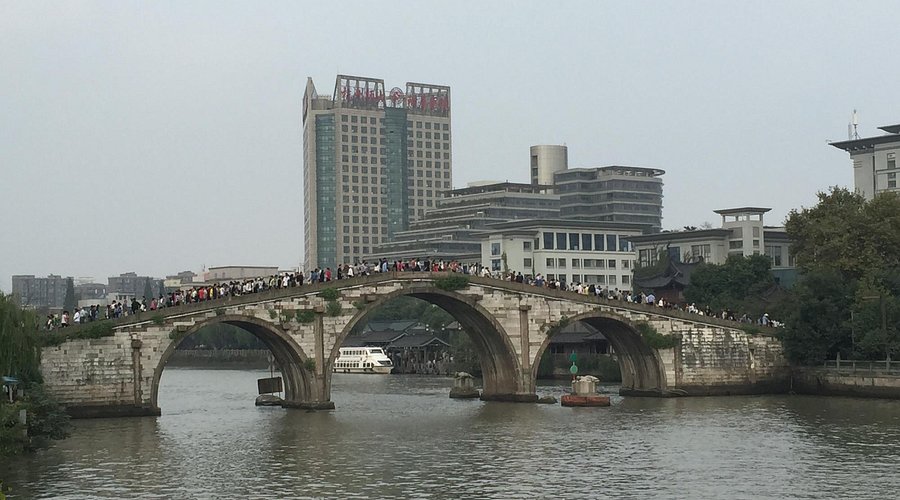
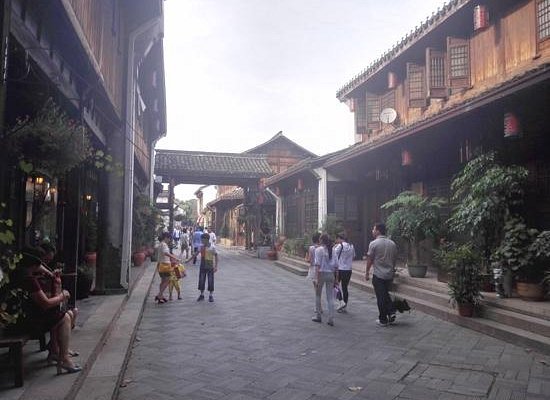
Qiaoxi History Jiequ
Wulin Square
Wulin Square is a major public plaza and commercial hub in the center of Hangzhou, China, located in the Gongshu (formerly Xiacheng) District. It is famous for its large musical fountain show, big shopping malls, and close distance to West Lake. Because the area is very lit up in the evening, we will probably go here around dinner time, hang around the shopping area, and explore the city.
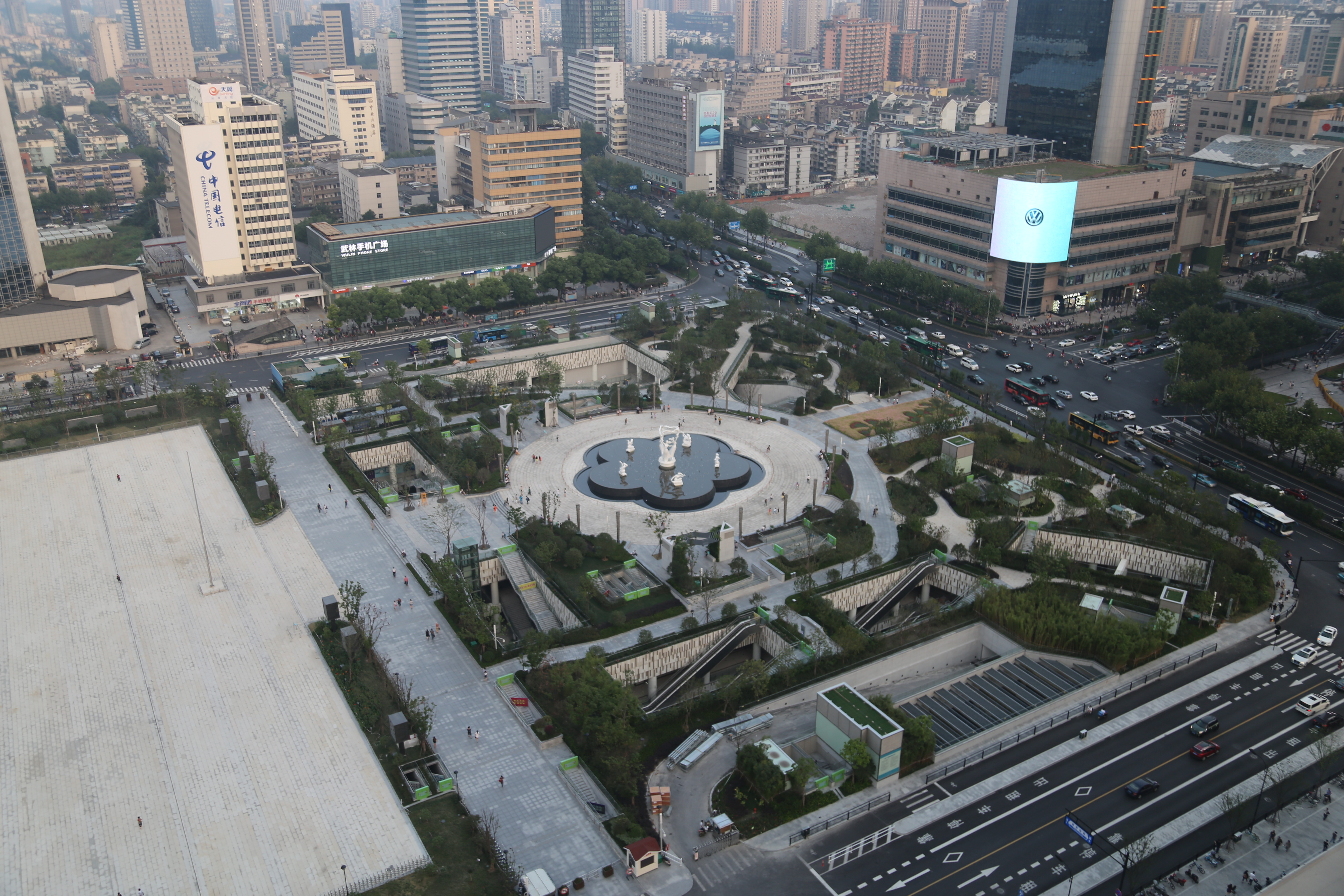
Wulin Square
Fountain Show
The Wulin Square Music Fountain (Eight Maidens) in Hangzhou typically holds evening shows daily at 6:30 PM, 7:30 PM, and 8:30 PM, lasting about 20 minutes.
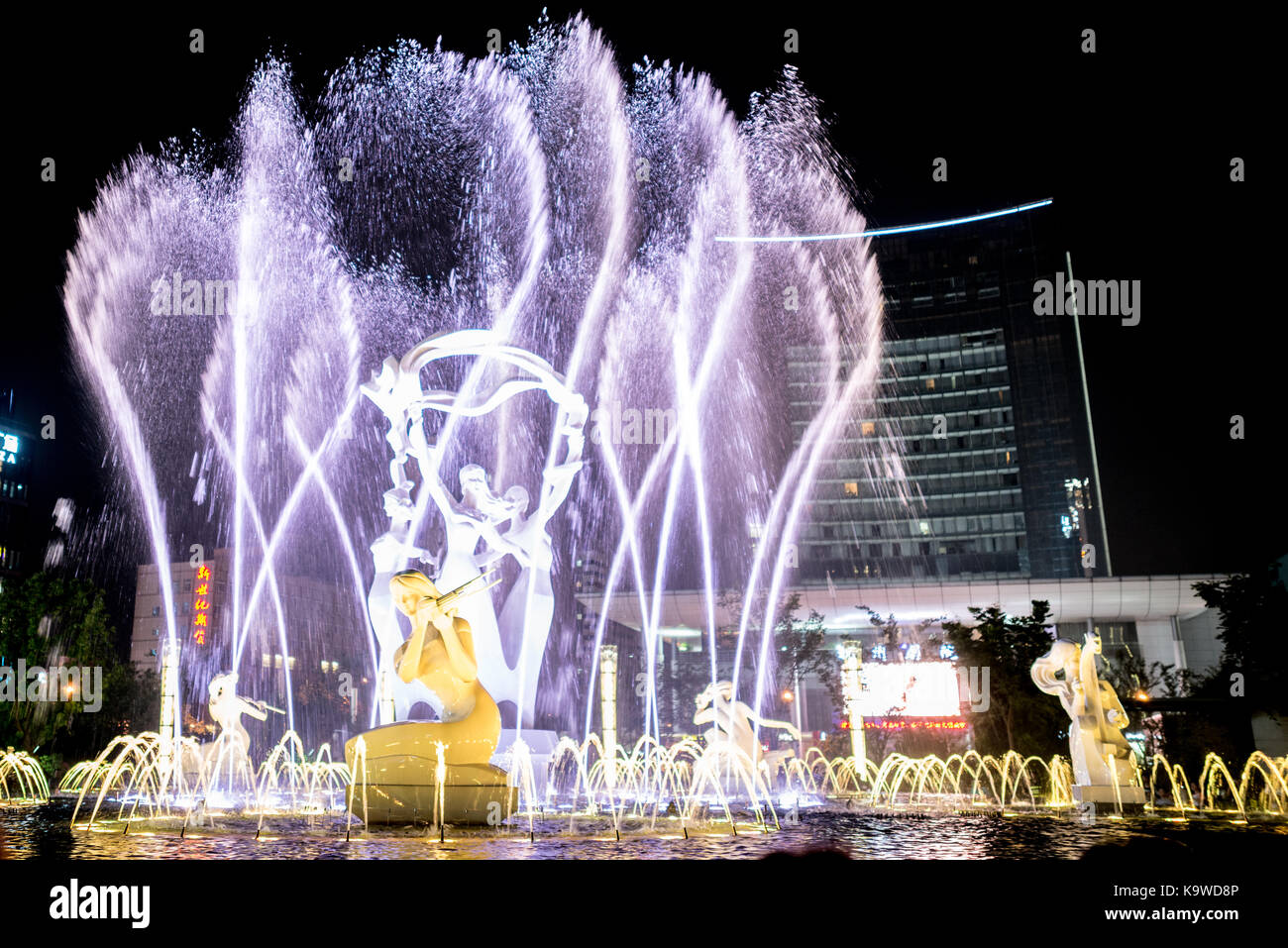
Wulin Square Fountain Show
Day 5
On day 5 we will go a bit outside of the city to visit the Lingyin Temple and Dragon Well Village.
Lingyin Temple
Lingyin Temple, literally translated as the “Temple of the Soul’s Retreat,” is one of the oldest, largest, and most revered Buddhist monasteries in China Founded in 328 AD in Hangzhou by the Indian monk Huili, it is renowned for its 1,700-year history, towering wooden Buddha statues, and the nearby Feilai Peak rock carvings.
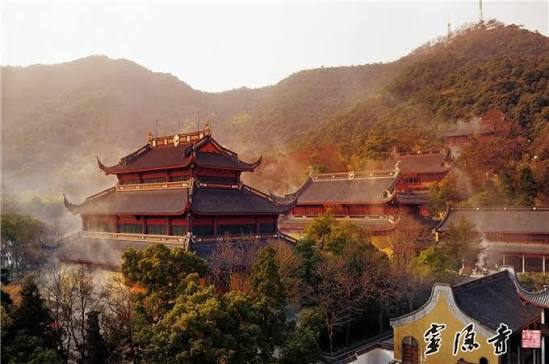
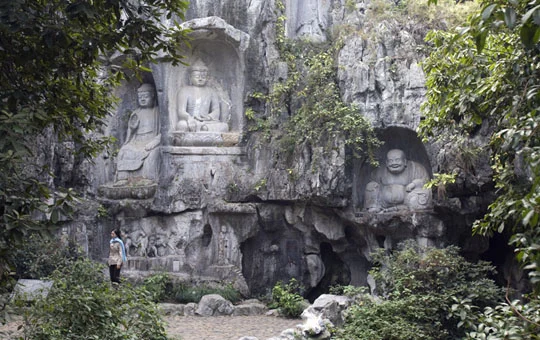
Lingyin Temple
Dragon Well Village
Dragon Well Village (Longjing Village) in Hangzhou, China, is the famous historic birthplace of authentic Dragon Well (Longjing) green tea. Set in the misty, low hills just west of Hangzhou’s West Lake. Tea has been grown and crafted here for over 1,200 years. The place is named after a local spring (“Dragon Well”) where rainwater and spring currents once seemed to swirl like a moving dragon. Here you can walk through the tea plantations, learn about traditional tea-making techniques, and sample freshly brewed Dragon Well tea.
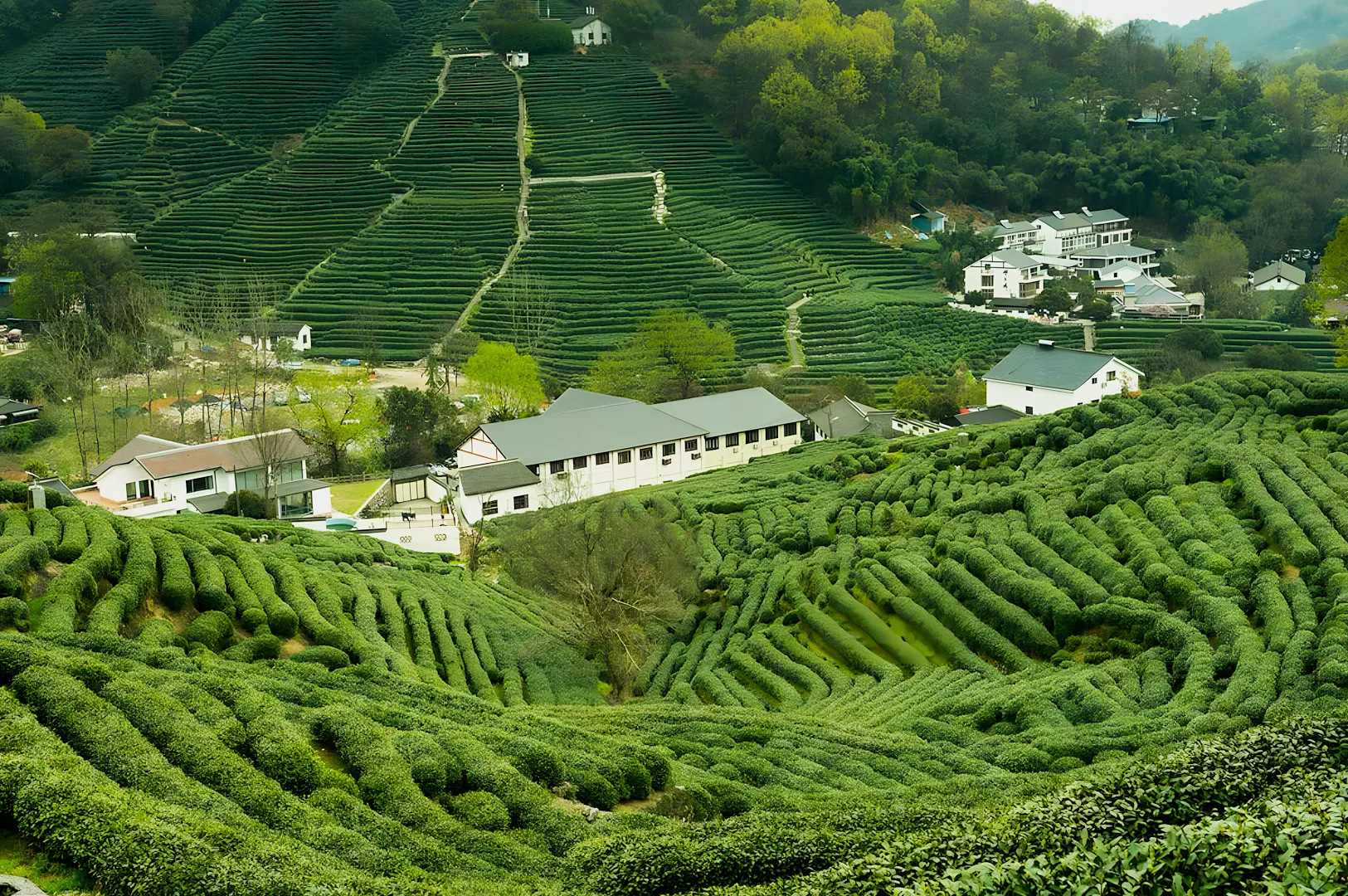
Dragon Well Village
Day 6
Day 6, we will explore the scenic areas around West Lake, including Baoshi Mountain and Xi Lake, before heading to our next destination. Both Baoshi Mountain and Xi Lake are located in the West Lake Scenic Area, which is a UNESCO World Heritage Site known for its natural beauty, cultural significance, and historical landmarks.
Baoshi Mountain
Baoshi Mountain (also known as Gemstone Hill) is a scenic hill located on the northern bank of the West Lake in Hangzhou, China, famous for its panoramic lake views and historical Baochu Pagoda.
The Baochu Pagoda is a historic, slim brick-and-stone tower located on Precious Stone Hill (Baoshi Hill) overlooking the northern shore of West Lake in Hangzhou, China.
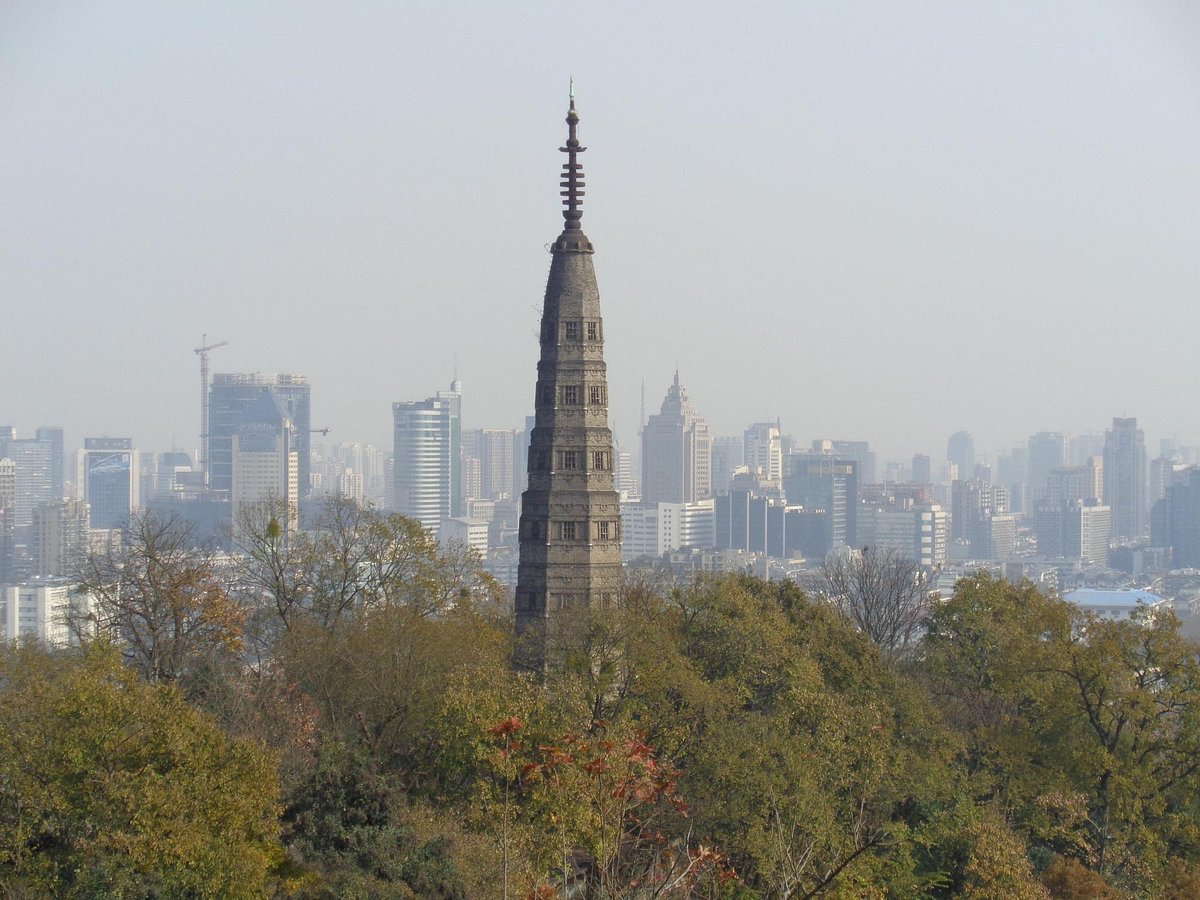
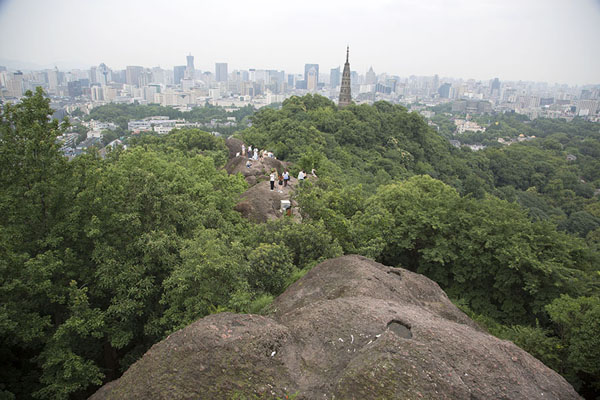
Baoshi Mountain
Xi Lake
West Lake (Xi Hu) in Hangzhou is famous for its stunning natural landscape, deep literary history, and status as a UNESCO World Heritage Site that has inspired artists and poets for over a thousand years. Poetic Beauty: Famous poet Su Shi compared the lake to Xi Zi (a legendary ancient Chinese beauty), capturing its timeless, romantic charm. Scenic Landmarks: It features iconic structures like the Leifeng Pagoda, ornate causeways (Su Causeway and Bai Causeway), and traditional arched bridges
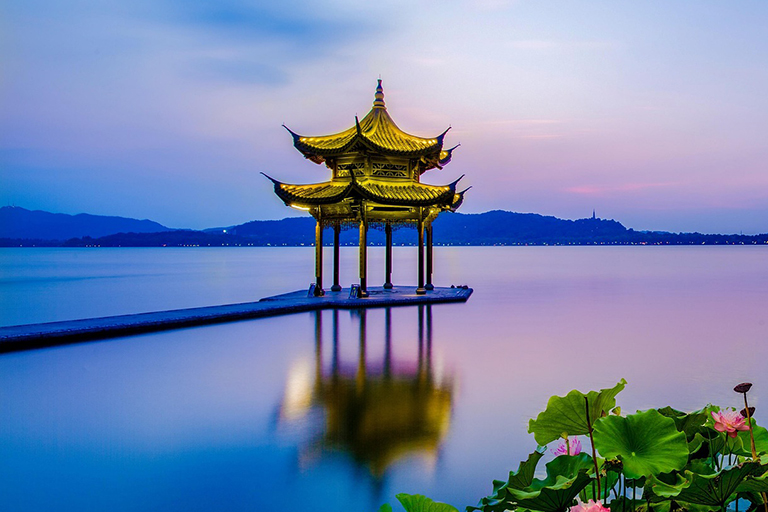
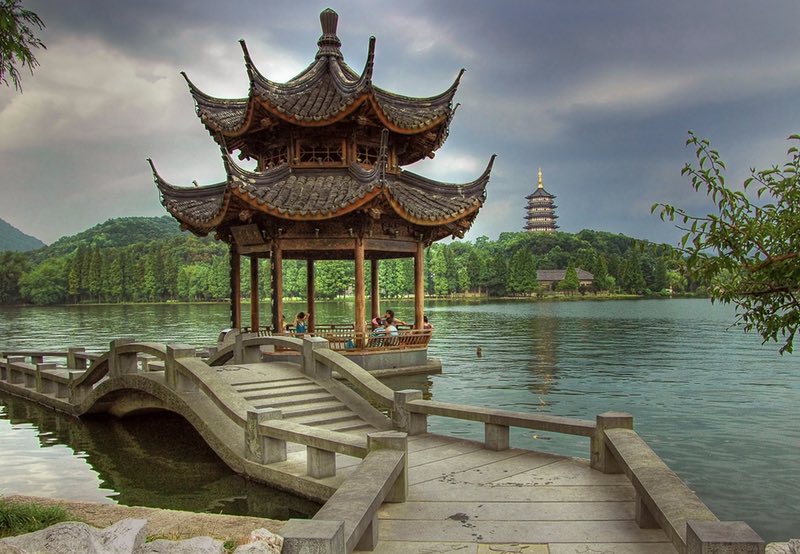
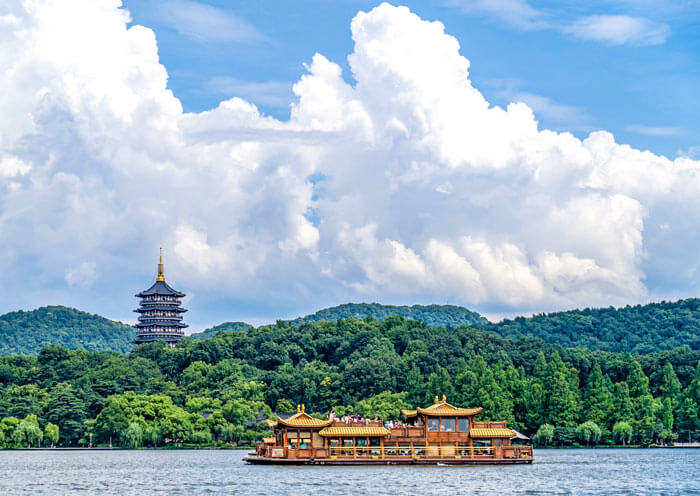
West Lake
Day 7
From Hangzhou, we will take a train to Huangshan City, which is the gateway to the famous Huangshan Mountain (Yellow Mountain).
Accommodation
Nostalgia S Hotel (Hangzhou West Lake)
- Address: No. 41, Qixia Ridge, Beishan Road, Xihu District, Hangzhou, Zhejiang, China
- Check-in: After 14:00, Check-out: Before 12:00