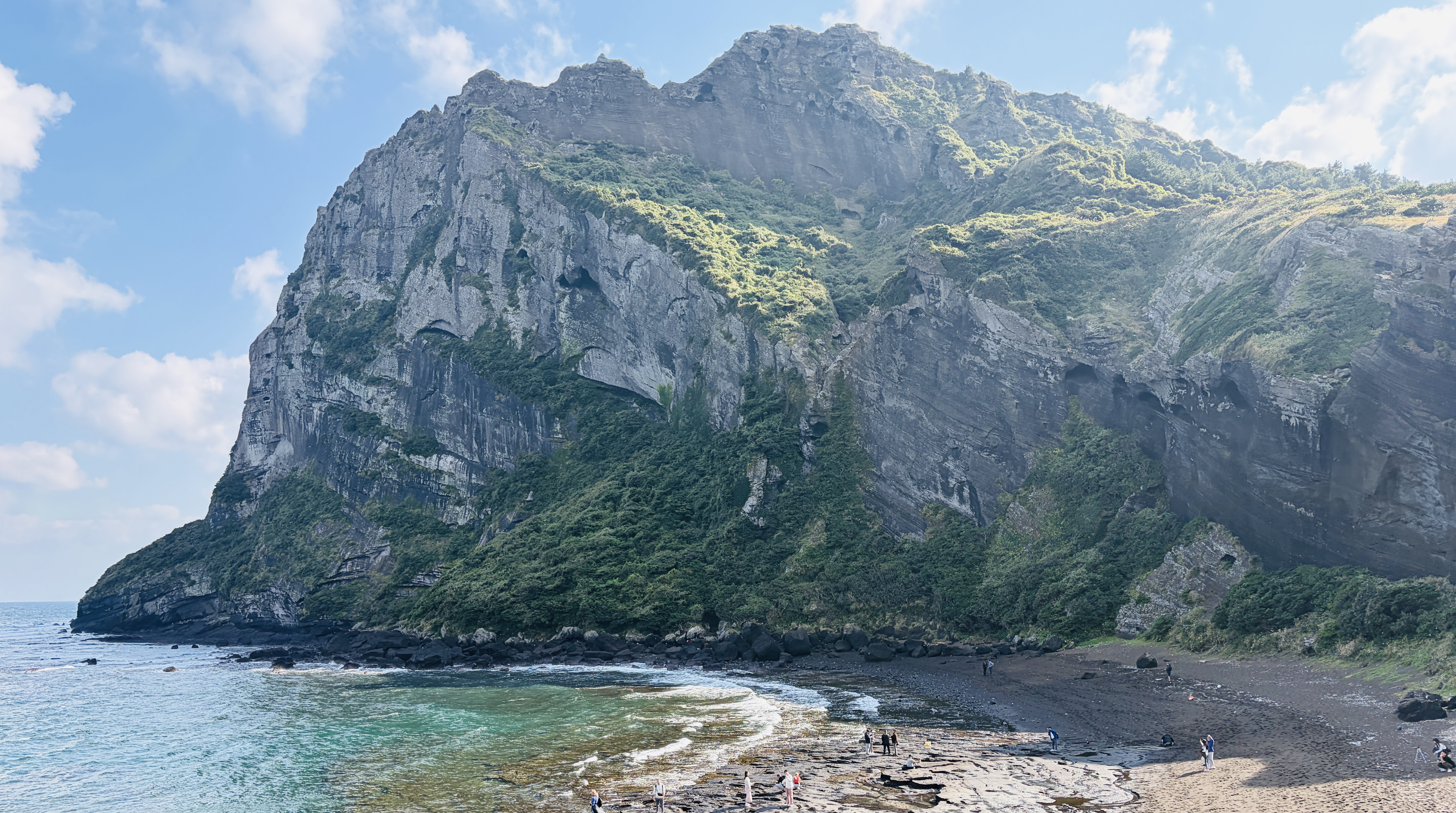
Day 6: Jeju city
We arrived on Jeju airport in the beginning of the afternoon by plane from Seoul At the airport we could pick up our rental car. We booked a rental car at Lotte-rent-a-car. Lotte is a big conglomerate in Korea, who is owner of a big portion of tourist accomadations, including rental cars in Korea. Since it is such a big company, we had confidence in the quality of the service. When going outside of Europe, you always have to pay attention to not getting scammed, so that is why we chose to support a big company. However, next to the counter of Lotte-rent-a-car, there were also some smaller rental car companies. And while there was a big queue at Lotte, the other companies were very empty, which made me sad… But nothing to do about it anymore, so we got our car, and started driving for the first time in Korea. Or specifically, my dad drove for the first time in Korea. Luckily, driving in Jeju is more chill, there is a very strict speed limit of 80 km/h at bigger roads, and slower within the city. After some confusion about how to drive in Korea, we managed to go to our first destination.
Dongnum Market
Our first stop was Dongnum Market, the largest and oldest traditional market on Jeju island. You can get fresh seafood and meat here, as well as some knicknacks and clothes. The market was very busy and crowded, but it had a nice authentic feel to it, so we really enjoyed it. We ate some food here at the market, since we did not really have a proper lunch yet, so we tried some signature black pork. Next to the black pork guy, the guy selling dumplings was really eager to get us to try his dumplings as well, but we had to disappoint him. Logically, on an island, there was a lot of fish for sale, and a lot of the fish were sitll alive as well, which is of course quite common in Asia, but a weird sight for Europeans. We also got some bread, and other snacks for the next day. All the people were in general very friendly, even though there is of course a language barrier.
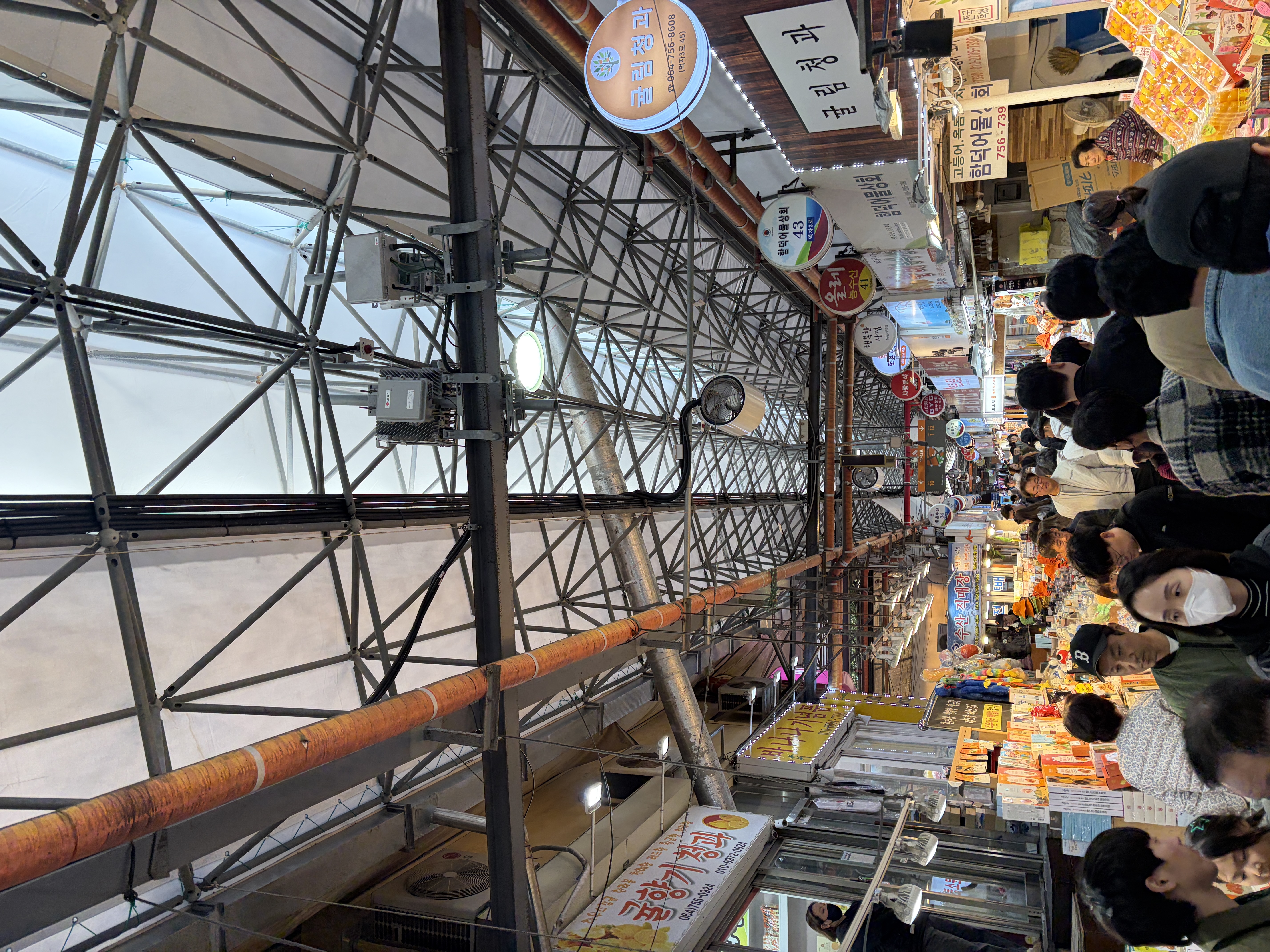
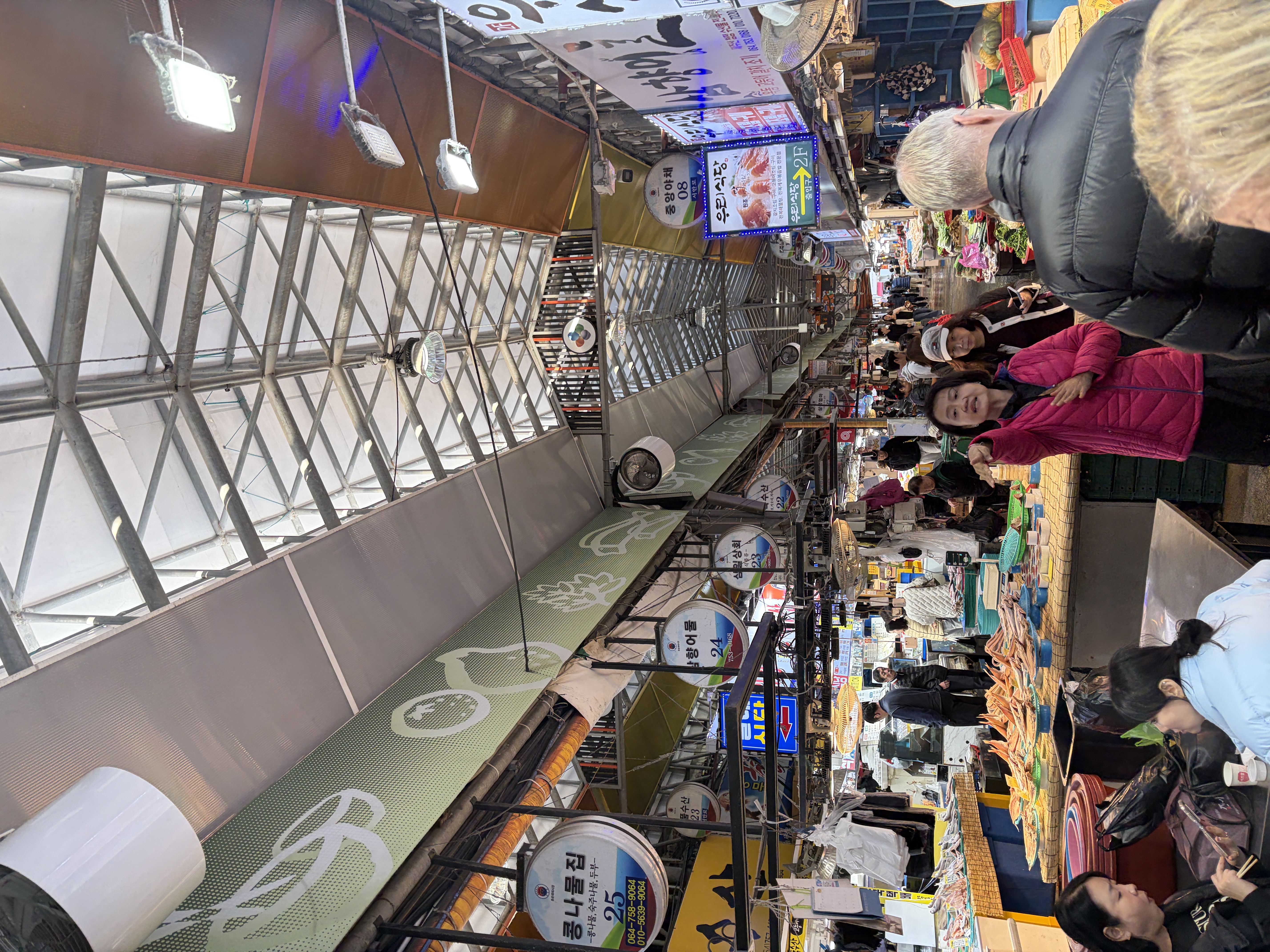
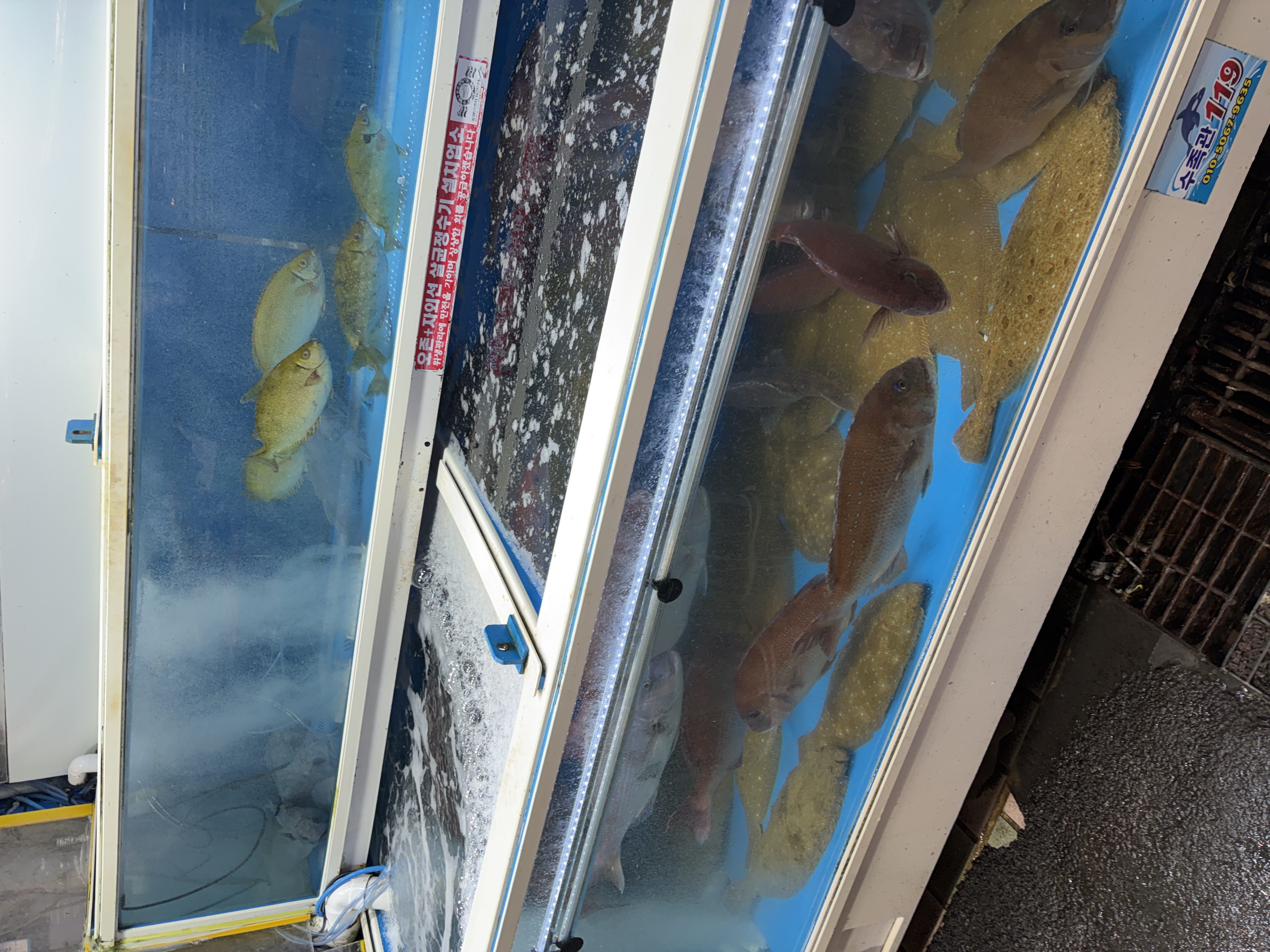
Dongnum Market
Exploring Jeju city
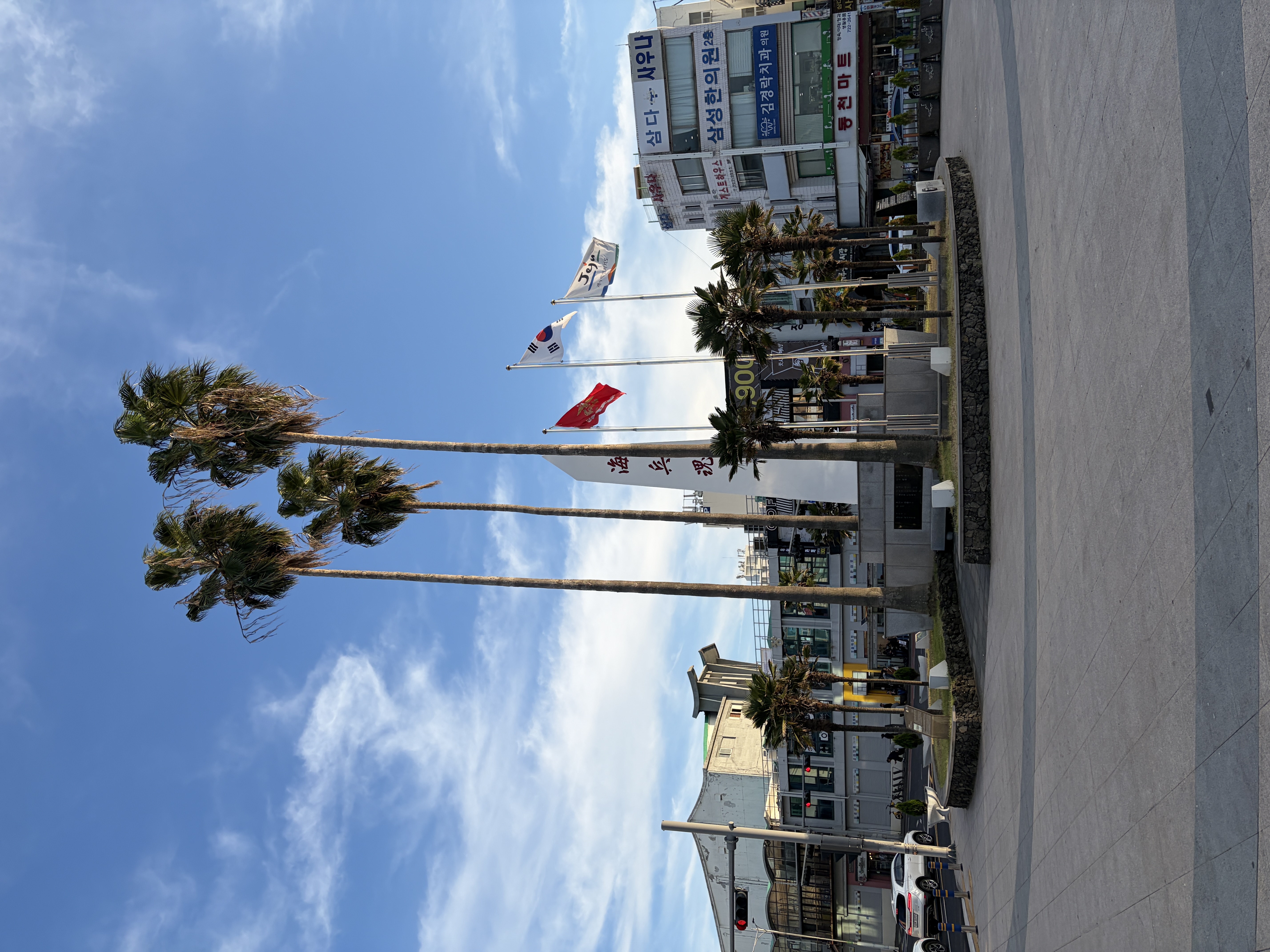
After the market, we walked around a part of the city towards the sea.
Sanjicheon Street
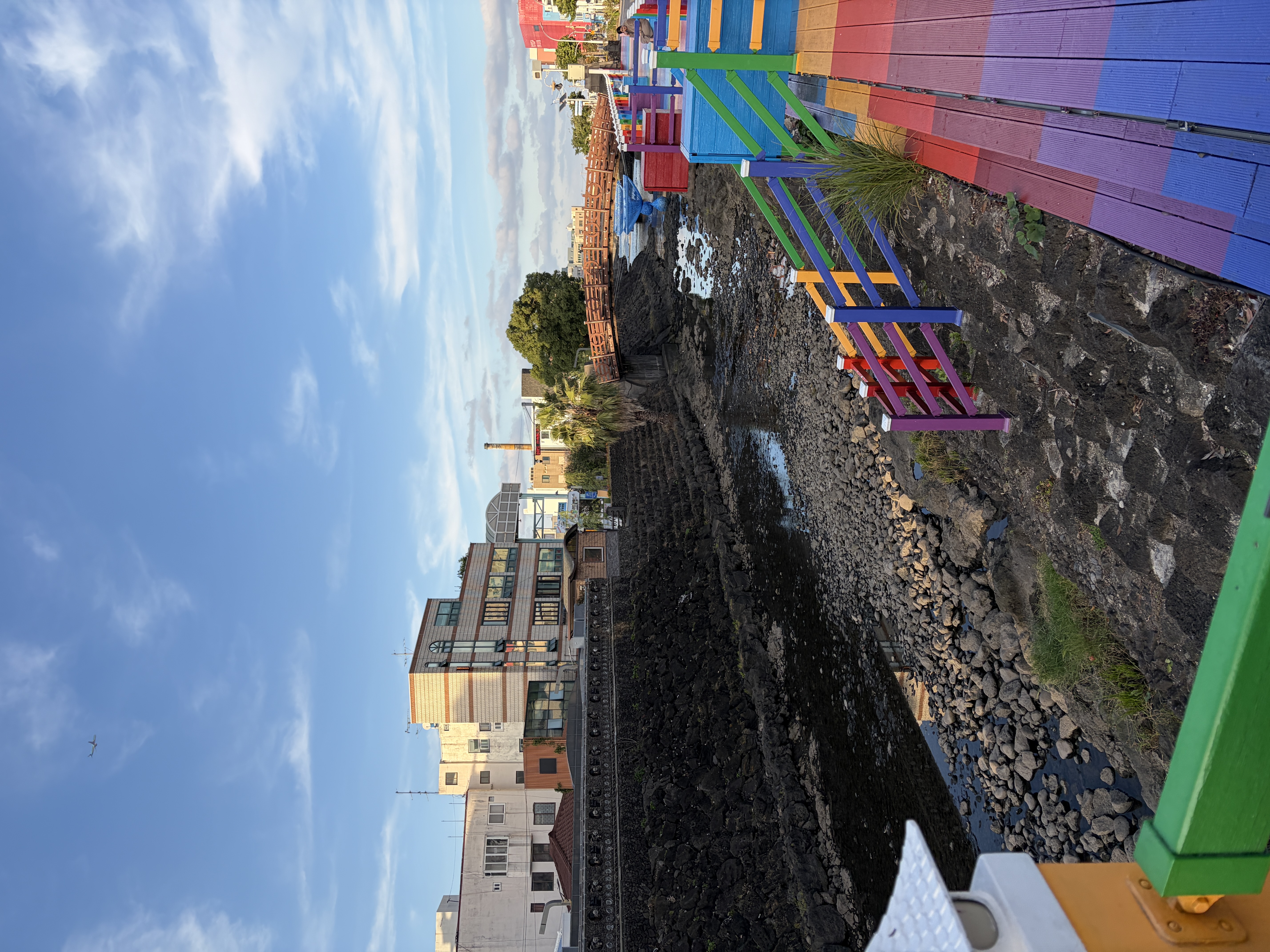
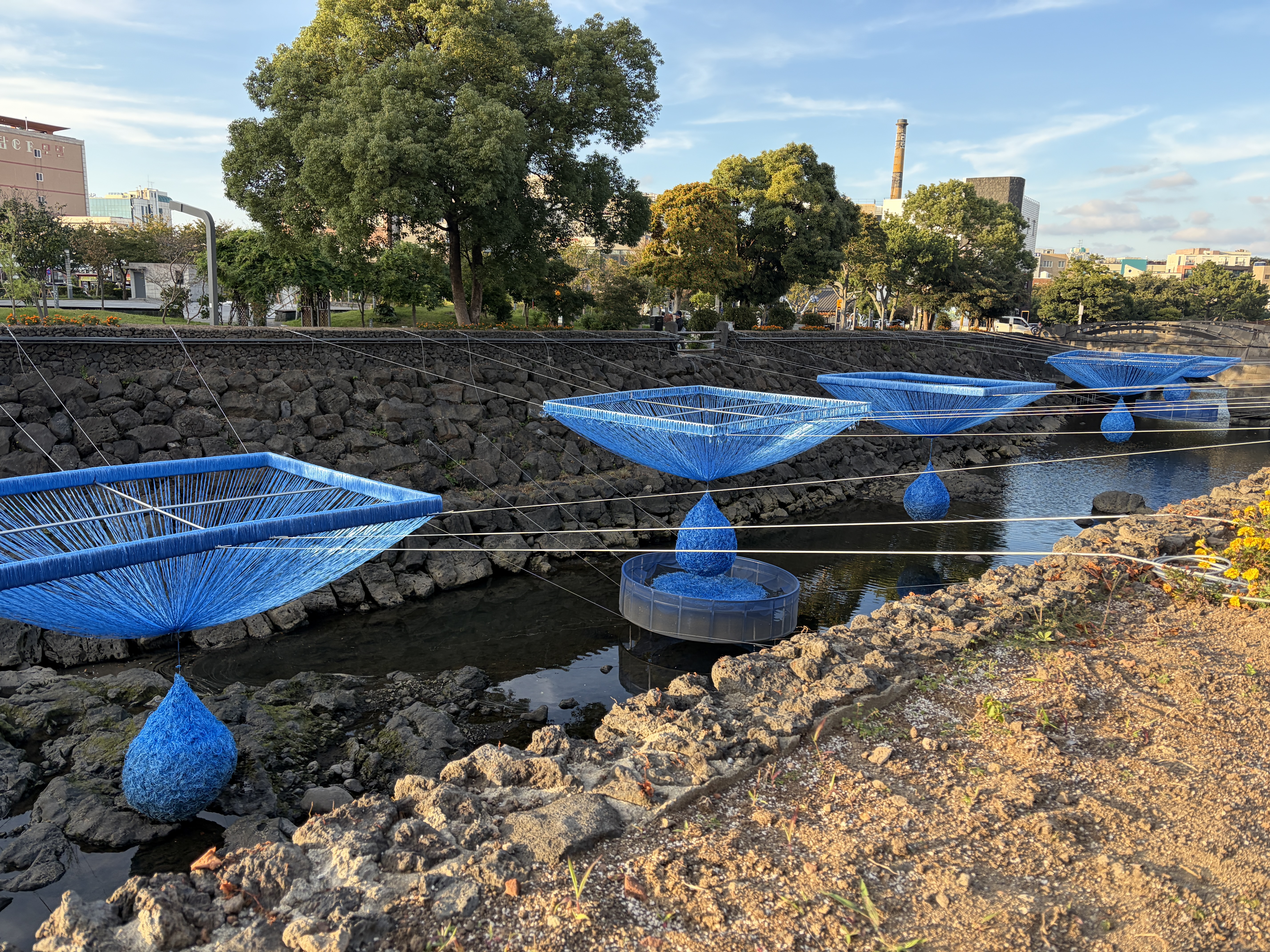
Right next to the market, the Sanjicheon Street is located. Through this street, there runs a stream that is connected to the port of Jeju city. We were in Korea during the dry season, so the stream did not have a lot of water, but it was a peaceful stroll. There were also some art installations you can take pictures with, and a nice couple made a picture of our family. Apparently, in the summer it is quite busy with fishermen, since the stream contains a lot of freshwater fish.
Sanjicheon Street
Black Pork Street
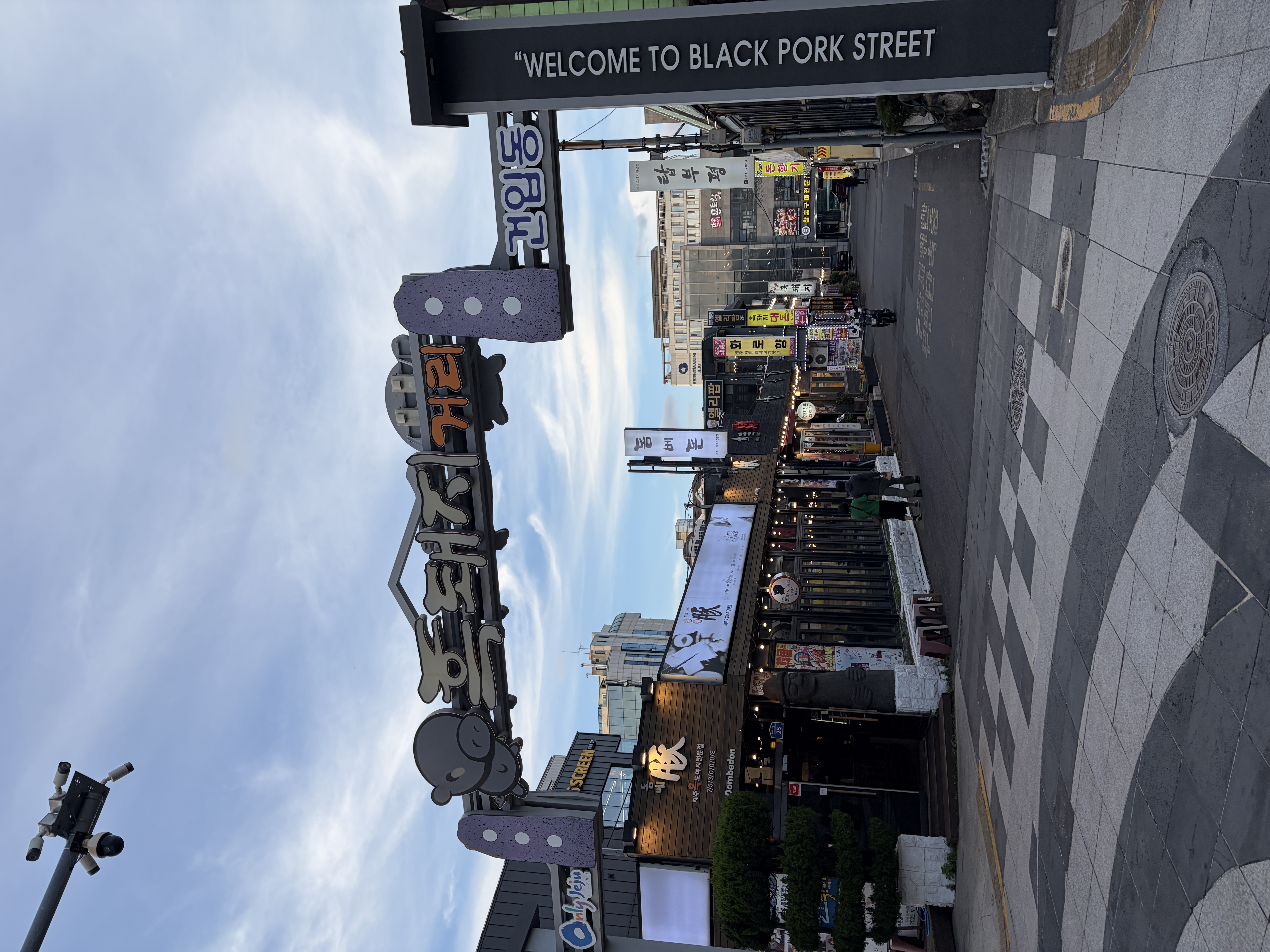
Next, we walked through the black pork street. So black pork is a signature dish of Jeju, since a lot of black pigs are raised on the island. The taste of the meat is different from regular pork. Black pork street is located close to the sea, and is decorated with black pig decorations. The main feature of the street is however the many restaurants that serve black pork. Later on our way back we also ate black pork korean bbq at one of the restaurants.
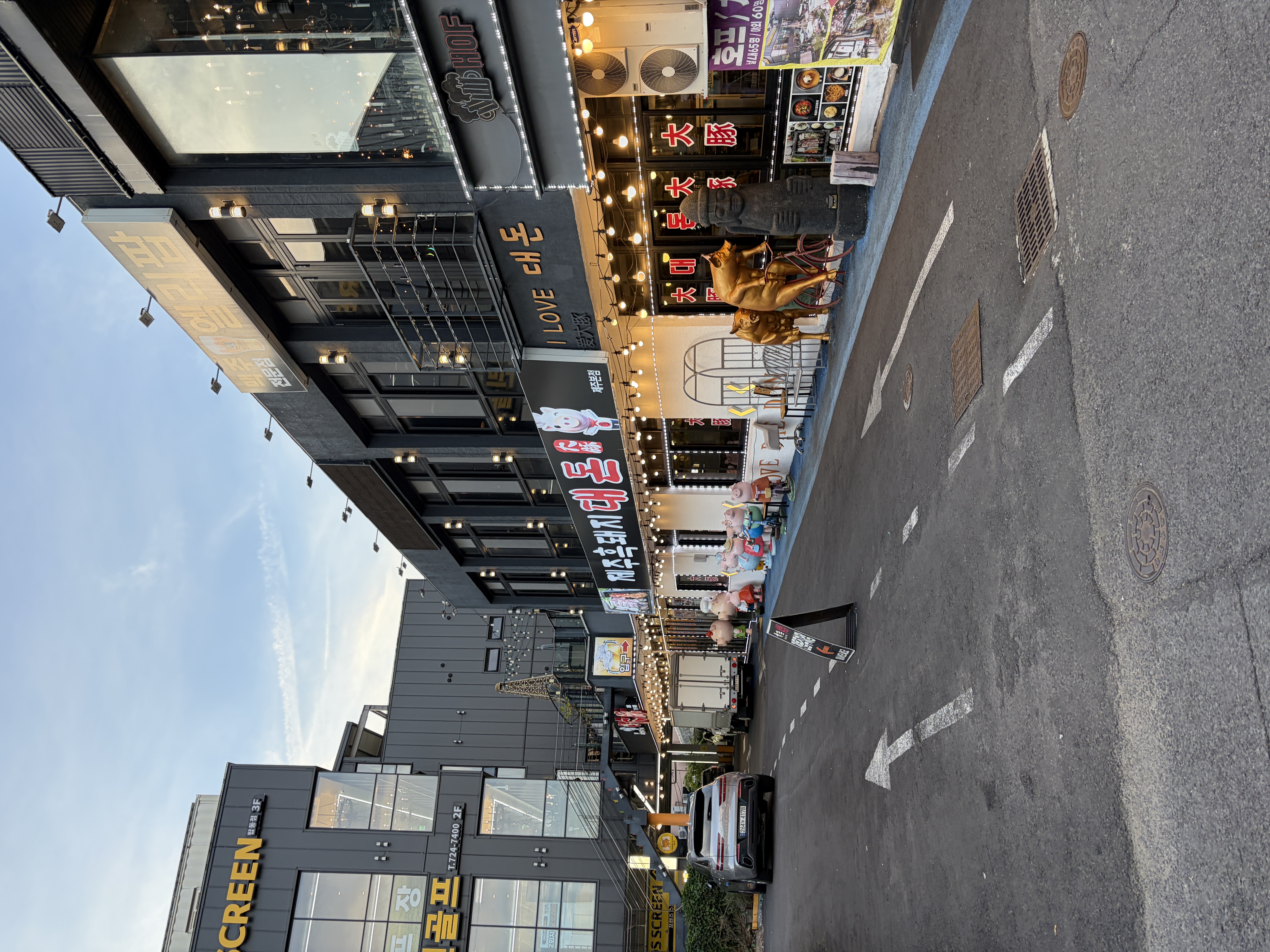
Black Pork Street
Waterfront
We moved on to the waterfront, where we had a nice view on the sea and the port. There was a ferry arriving, or leaving, I don’t remember anymore, but there definitely was a ferry! We walked towards the dock, and some Korean people told us the view was very nice further on, so we walked there. We were all tired from the trip, but being here was just so peaceful. Since we were at the island during the fall, which is an off season, it was really quiet and not crowded at all. When we walked back, we passed quite some fish restaurants, all clustered together. All of these places have tanks with living fish, and all of them had a person outside trying to get you to eat at their place. I always feel bad when I ignore them, but I would also feel bad for entering one restaurant and not entering the other 5 or something restaurants that were right next to it. Now they all could just see us leave together. On our way back we also bought some necessities at a grocery store. The guy behind the counter, which was quite a young guy, jumped on the oppurtunity to show off his great English. He really wanted to talk to us. He was interested in Europe, and also could speak a bit of Spanish. However, he was also kind of awkward, or something. But overall it was cute. We walked through the black pork street back to the car, and we moved on to our hotel, which is a bit outside of the city. The next day would be a big one.
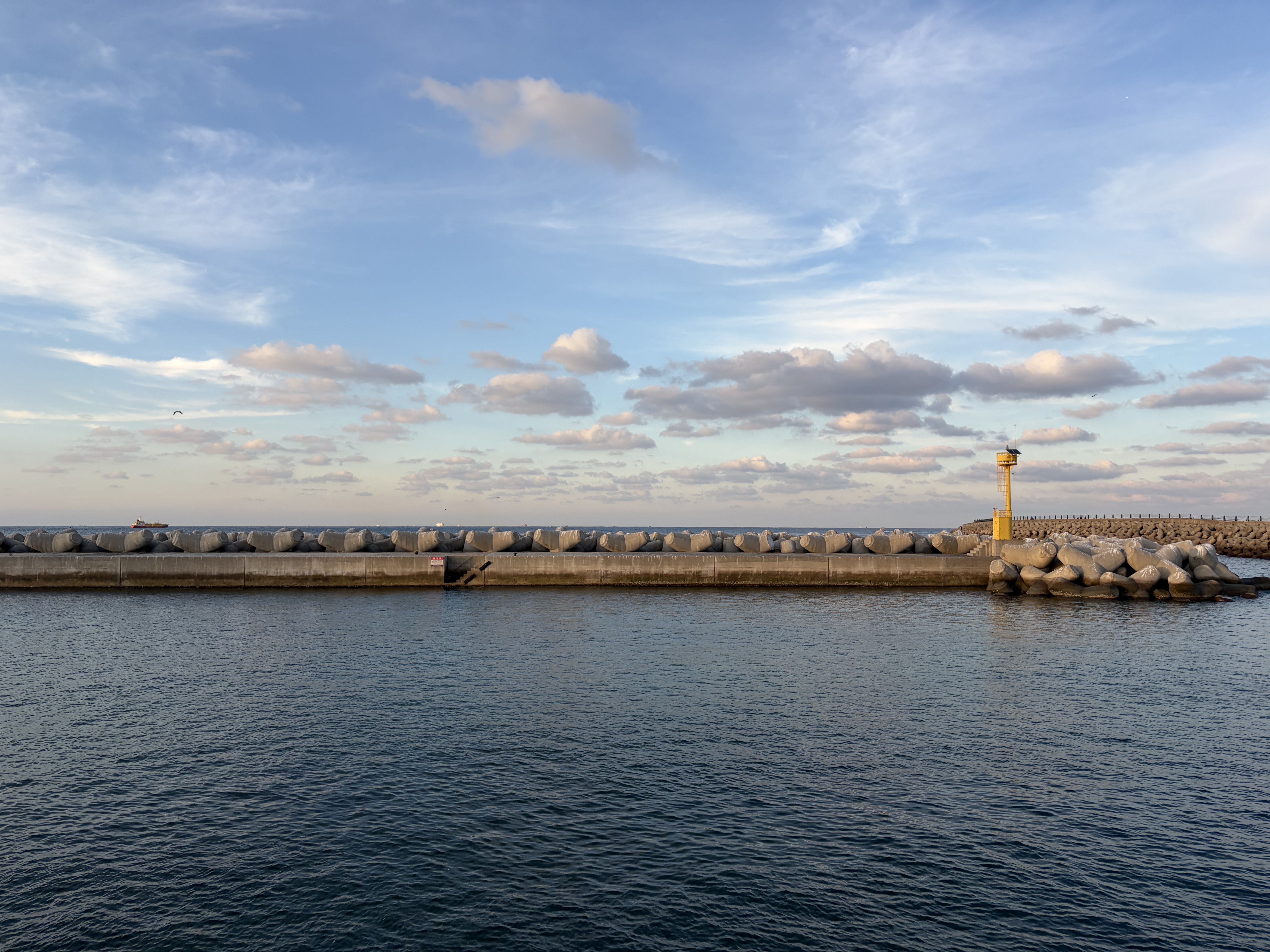
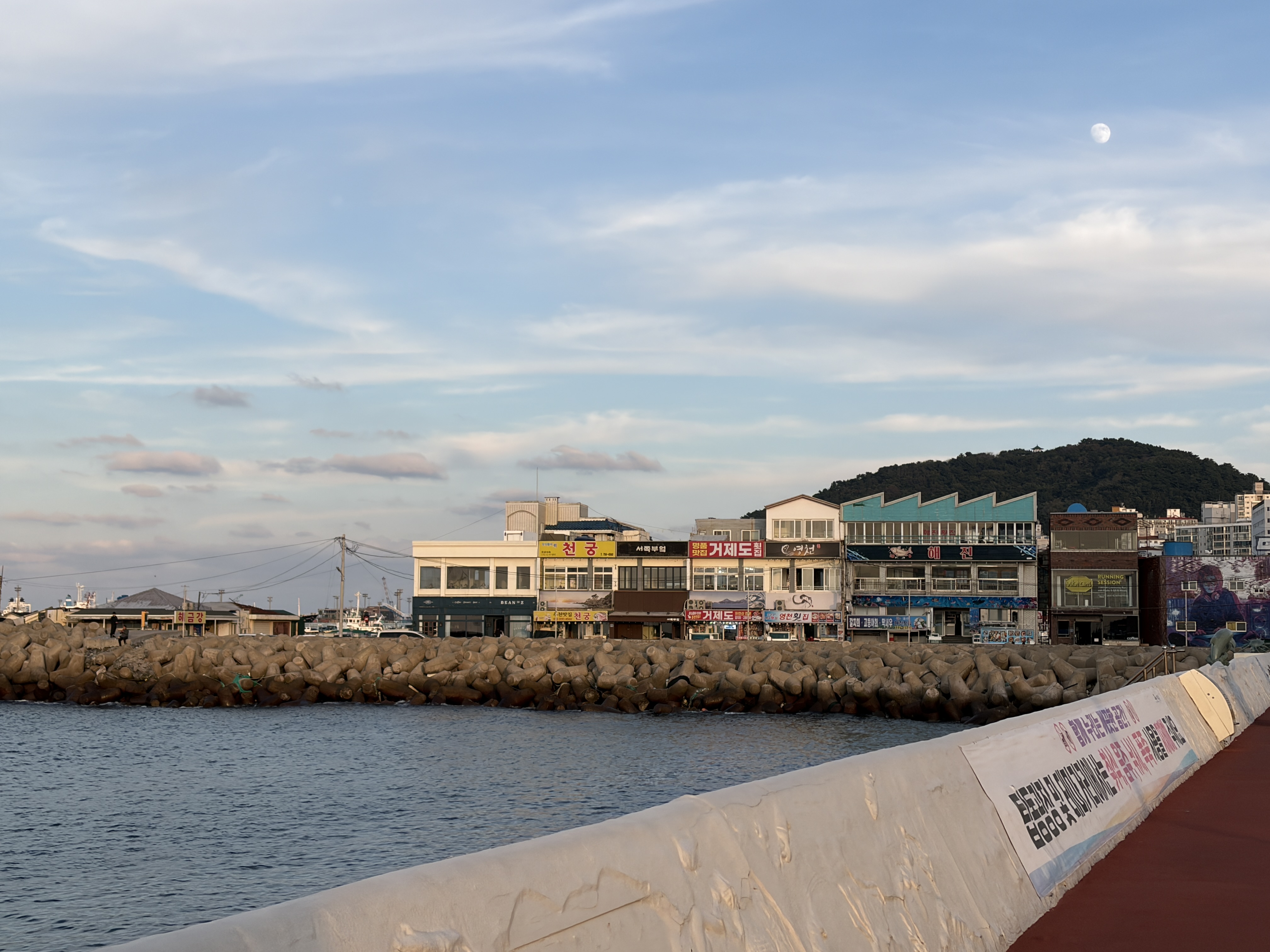
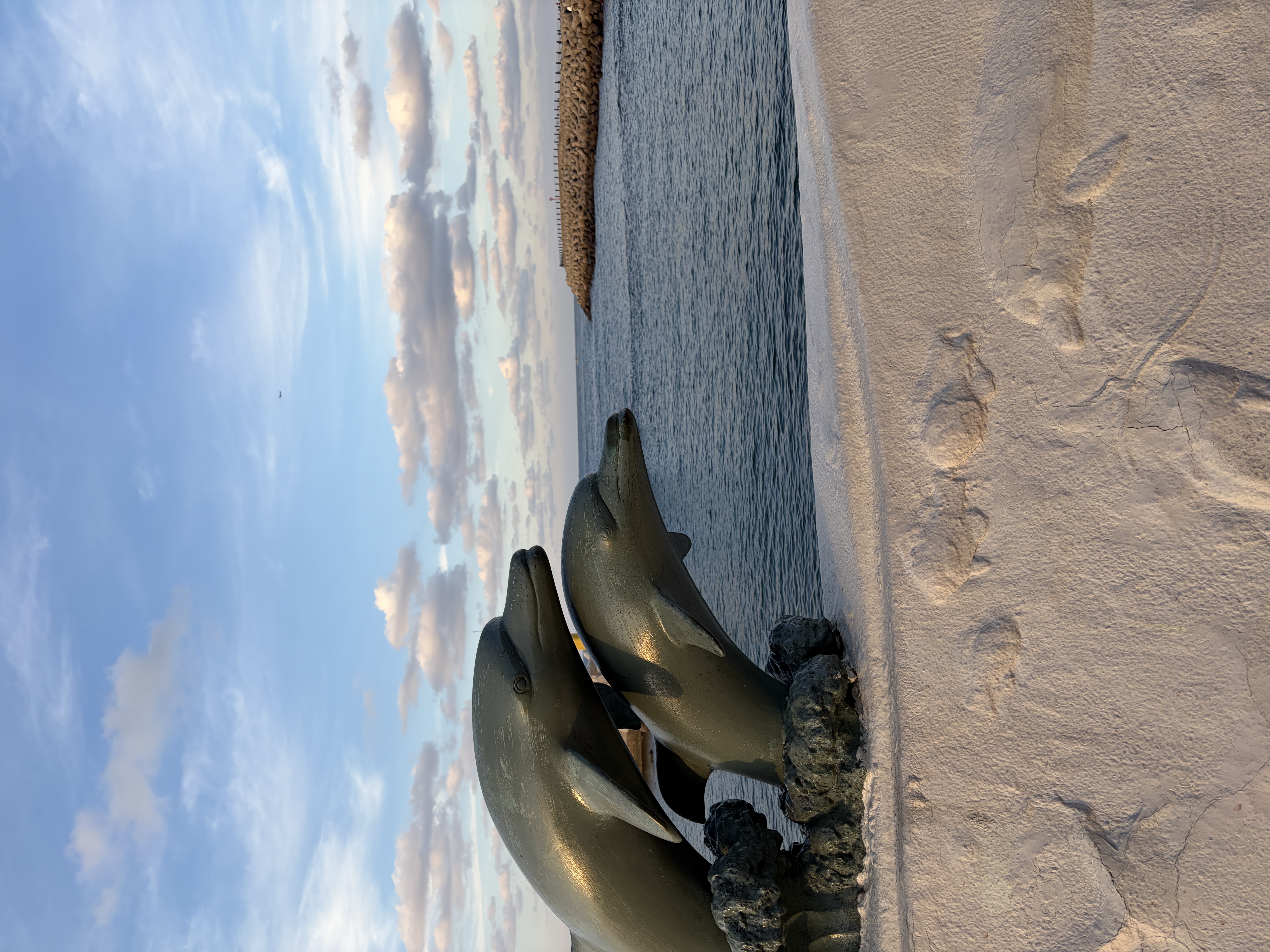
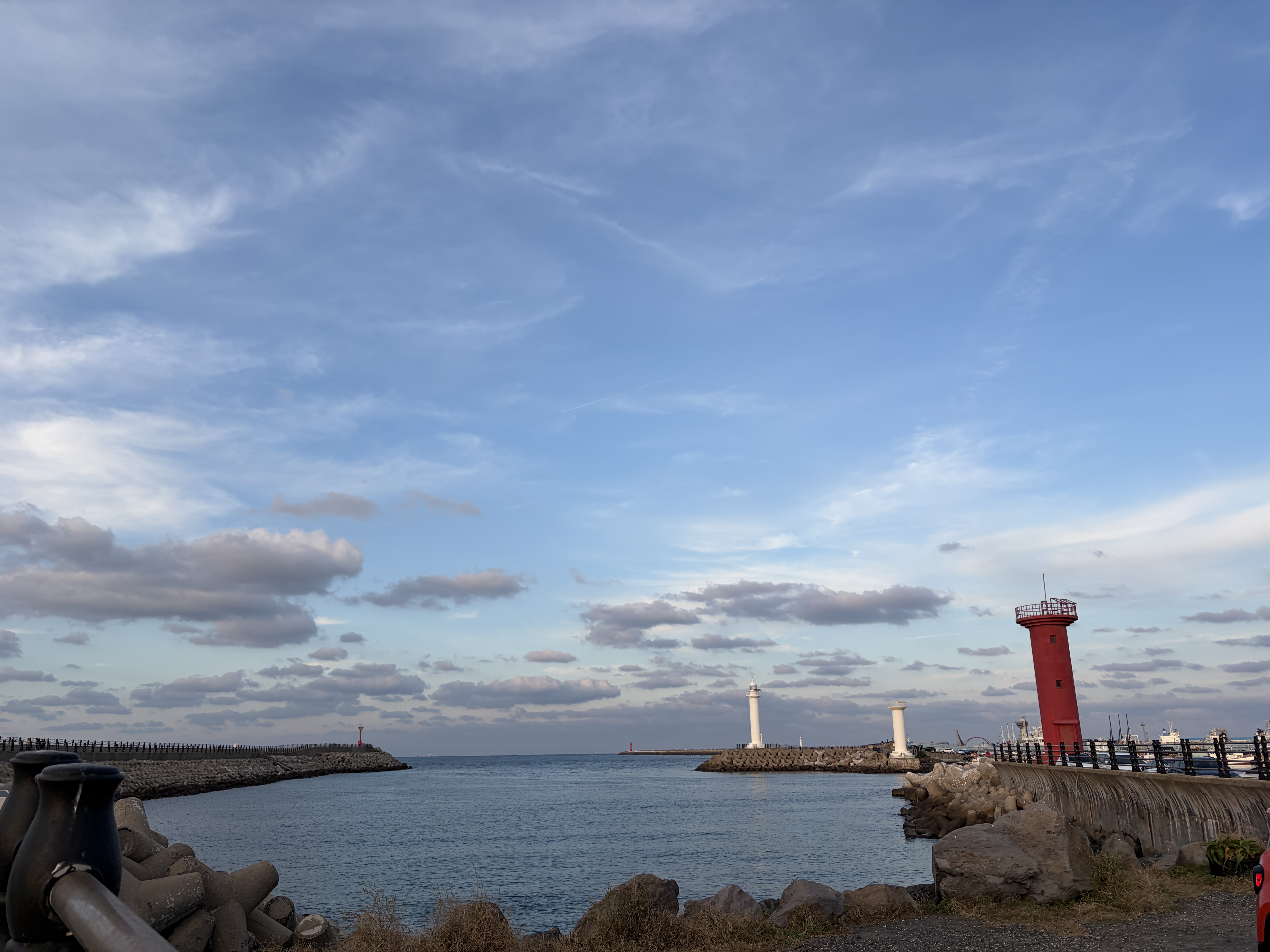
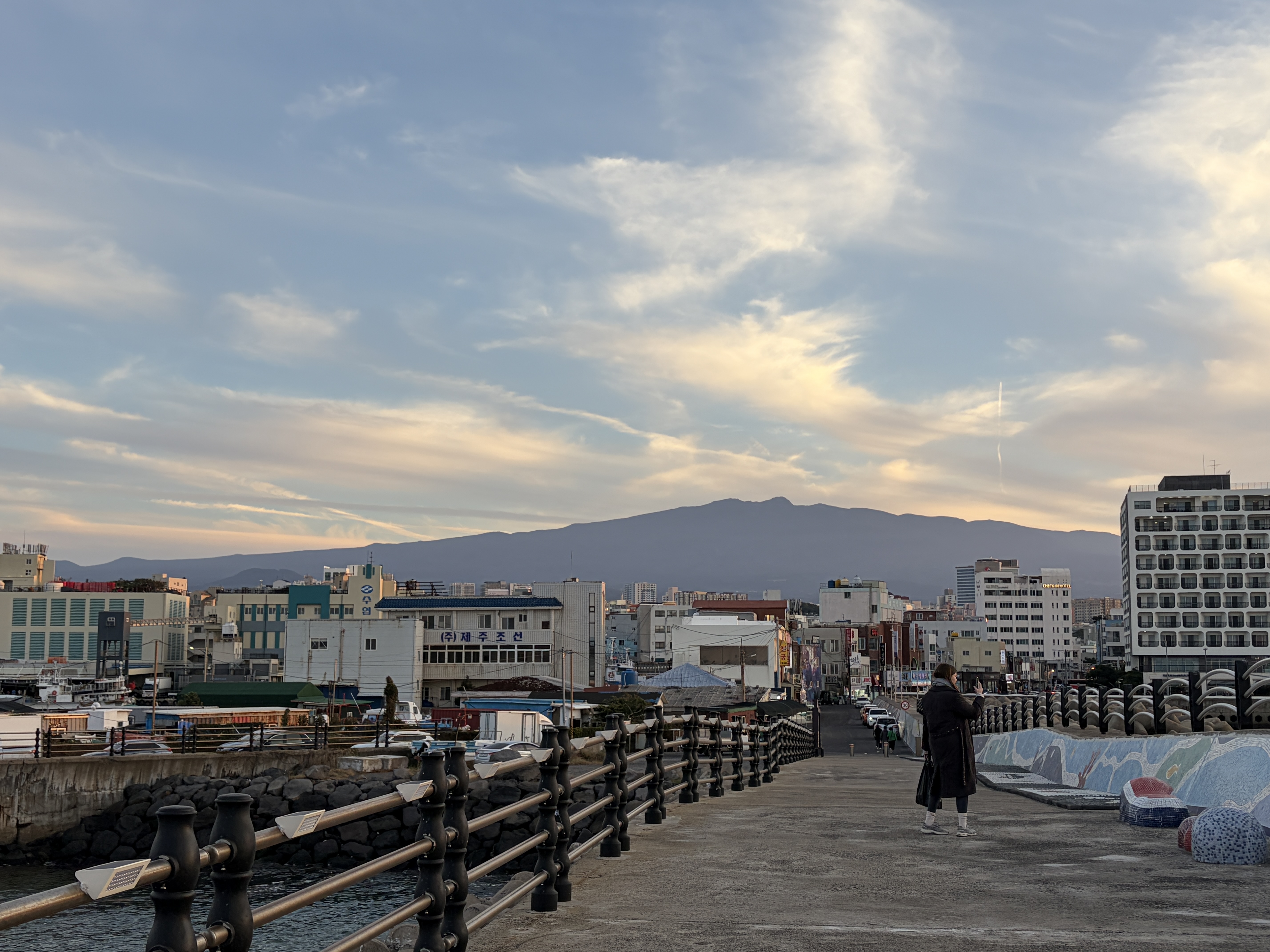
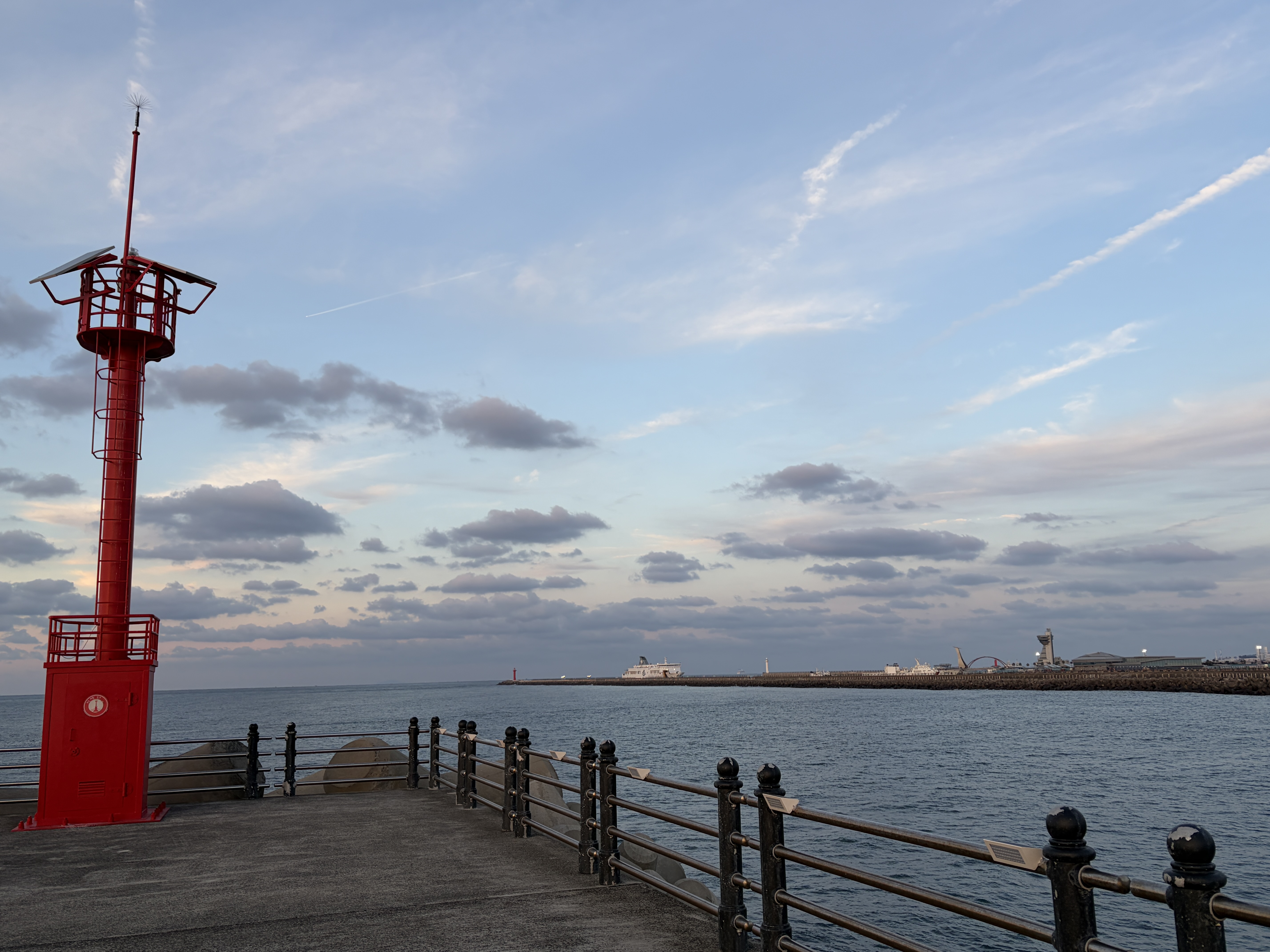
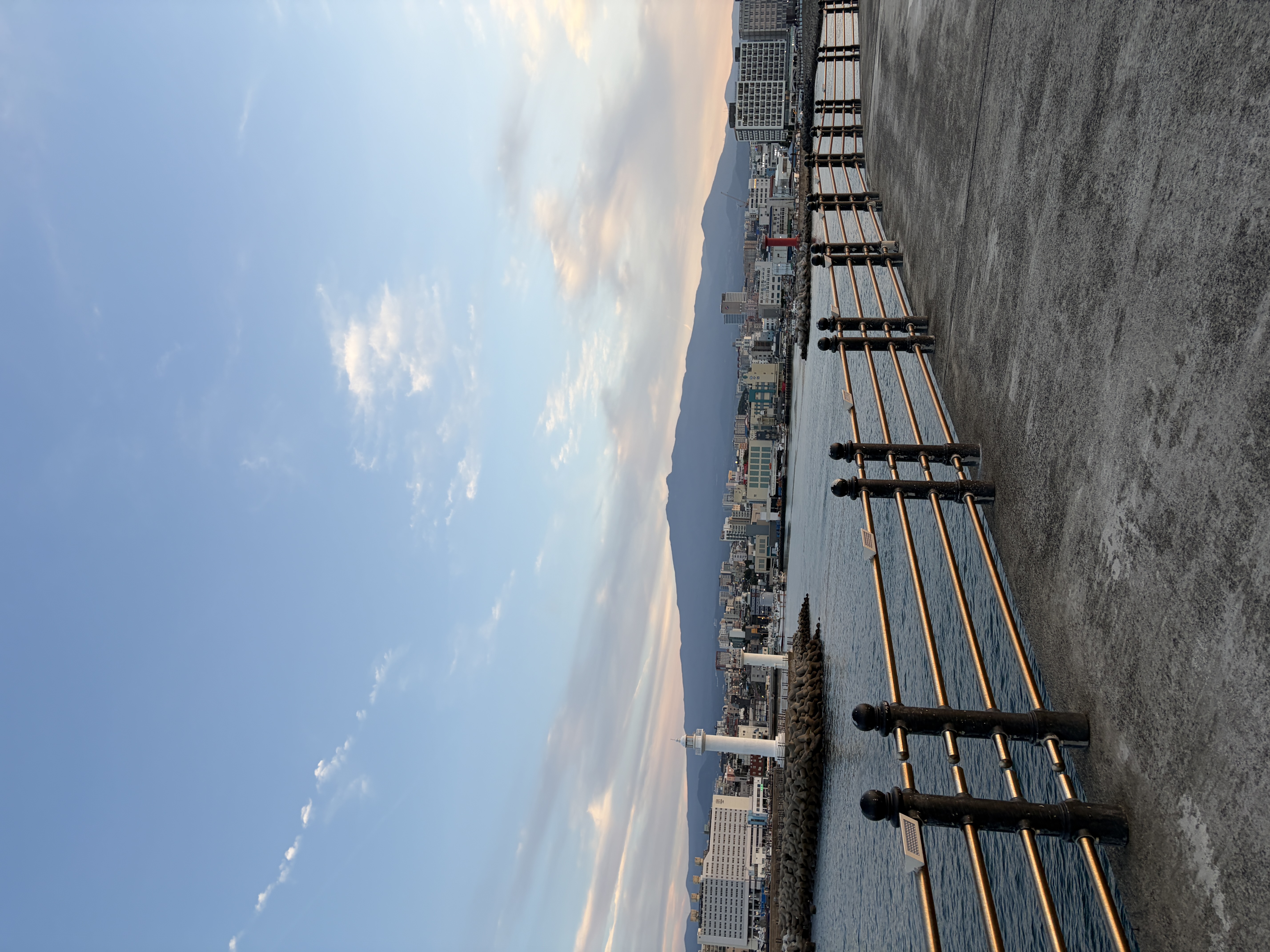
Waterfront
Day 7: Hallasan National Park
To walk one of the two main trails going to the top of Hallasan mountain, you need to make a reservation beforehand. There are no costs attached to this, there are just a limited amount of people they allow on the trail each day. We bought a ticket for the Seongpanak trail, which is the longer and less difficult trail. Our resevation time was before 8 am in the mroning, so we had to wake up early. I chose this early time slot, since the Hallasan National Park actually has deadlines. You need to be at 2/3 of the way to the top before 11:30. The peak closes at 13:30, afterwards they force everyone to leave the peak immediately. So there was definitely some pressure to get to the top on time. And me and my sister are not that experienced in hiking, but we certainlty wanted to try anyways. Luckily breakfast already opened at 7 am so after a good breakfast, our dad drove us to the trailhead.
When arriving there, we walked to the gate. You actually need to show your passport with your reservation, so keep that in mind if you every want to do this hike. But everything was fine in our case, and we could start our adventure.
Seongpanak Trail
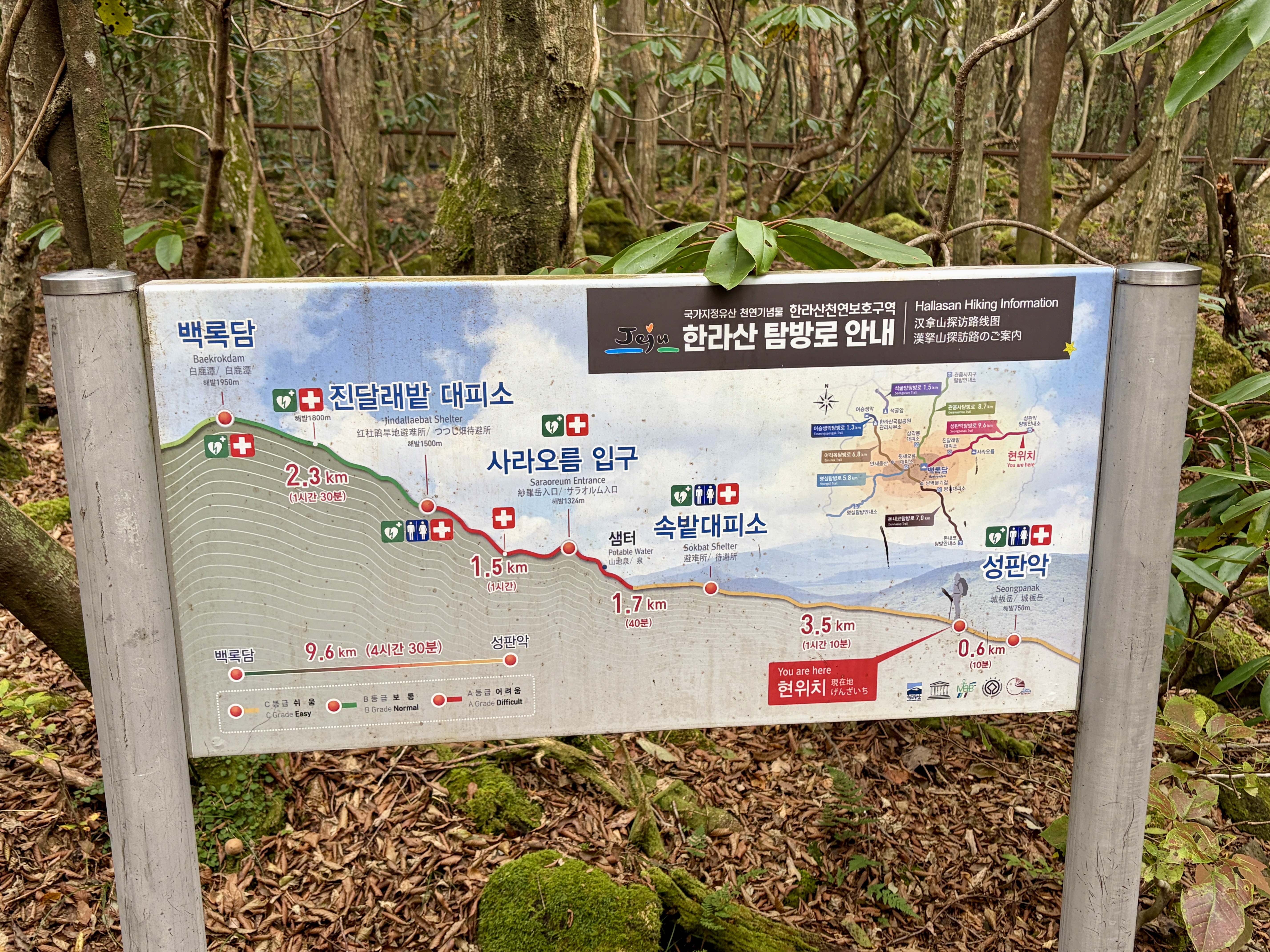
Overview of the trail
The first part of the trail was very easy. The slope was not steep at all, and the path was very accessible. The trail started in a very nice forest, which were extra pretty due to the fall colours. After around 600 meters, we saw the first sign with information about the trail, and the first kilometers were supposed to be very easy. Then the middle should be a little bit harder and the end in between. Or so we thoought (at the end we realized we probably misinterpreted the signs, I will come back to that later). We continued very optimimstic on our trail. Slowly the fancy fall coloured deciduous trees changed to hardwood trees. A good sign that we were climbing higher, and it still was very pretty and such vibes. At some point some of the trees start being surrounded by some kind of ferns, and it was so aesthetically pleasing. Overall, I had such a great time on this part of the trail.
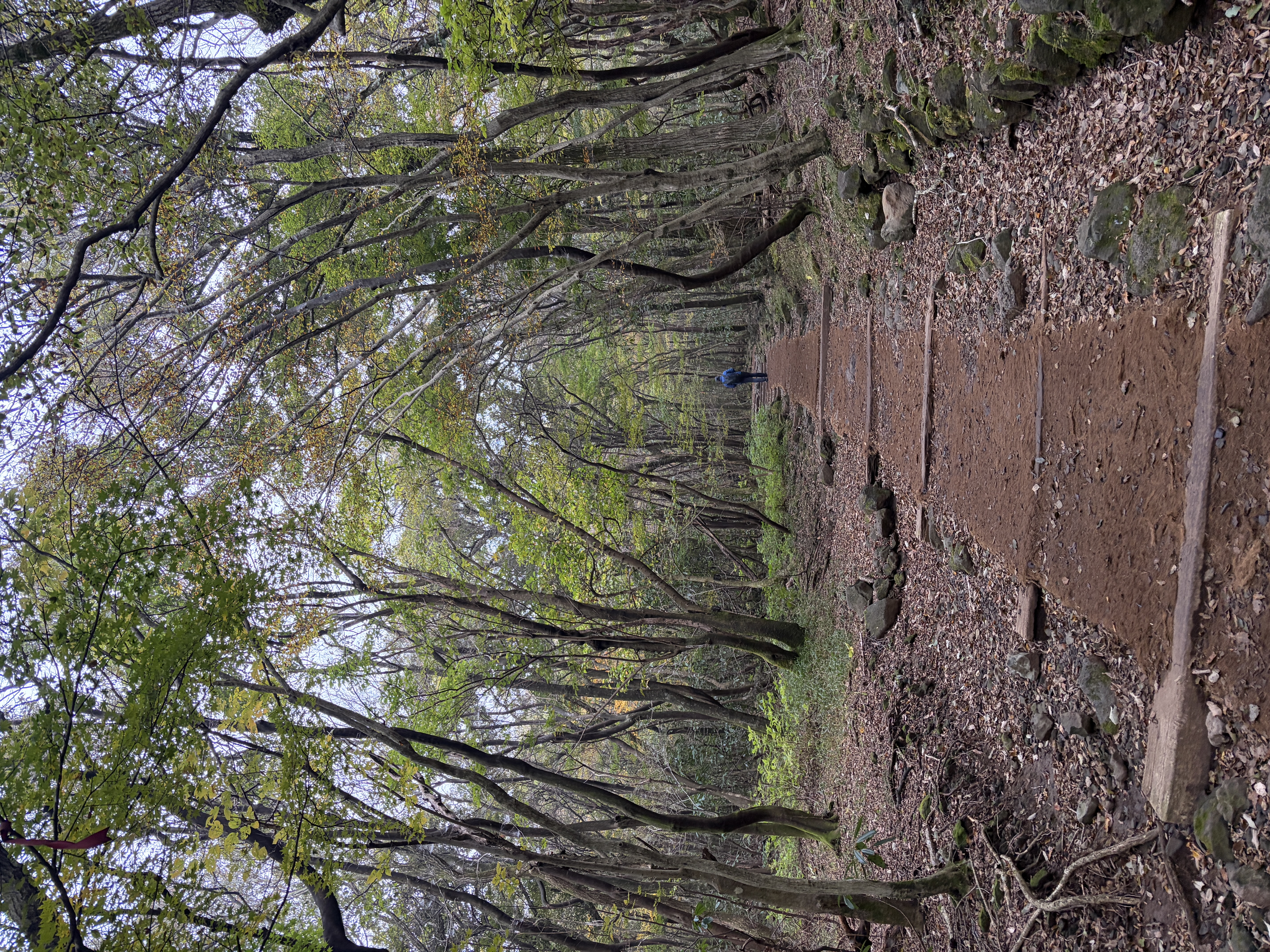
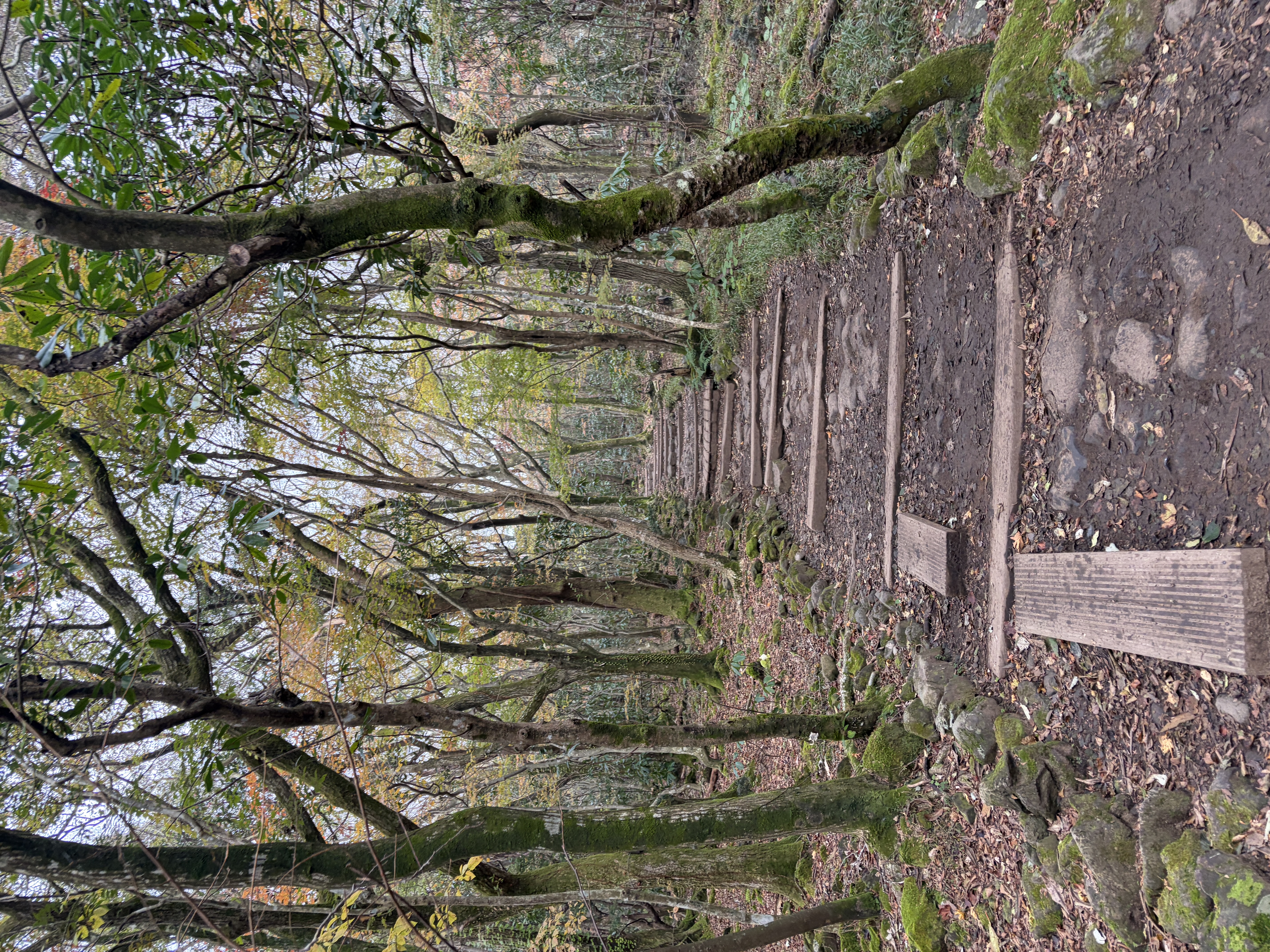
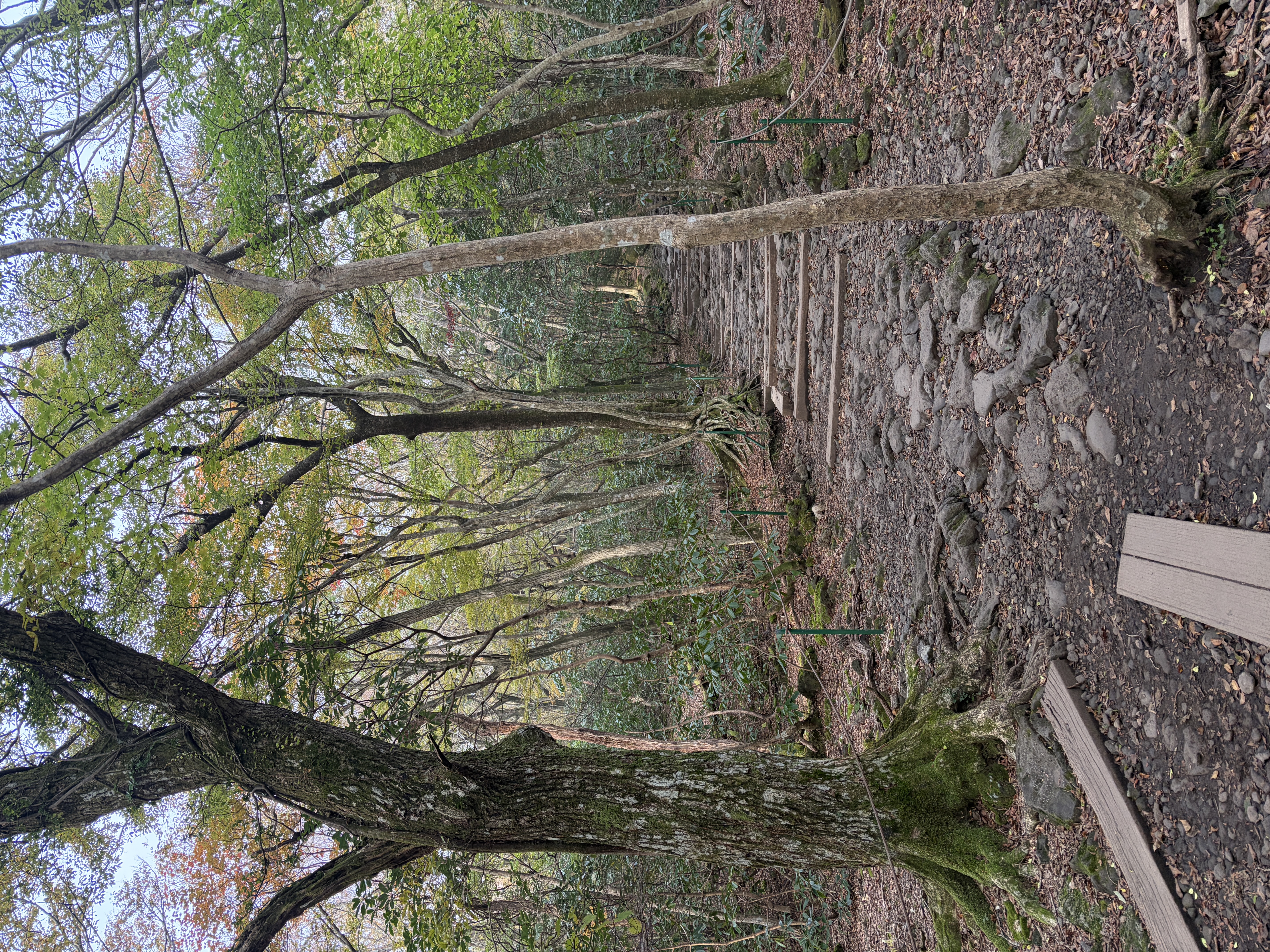
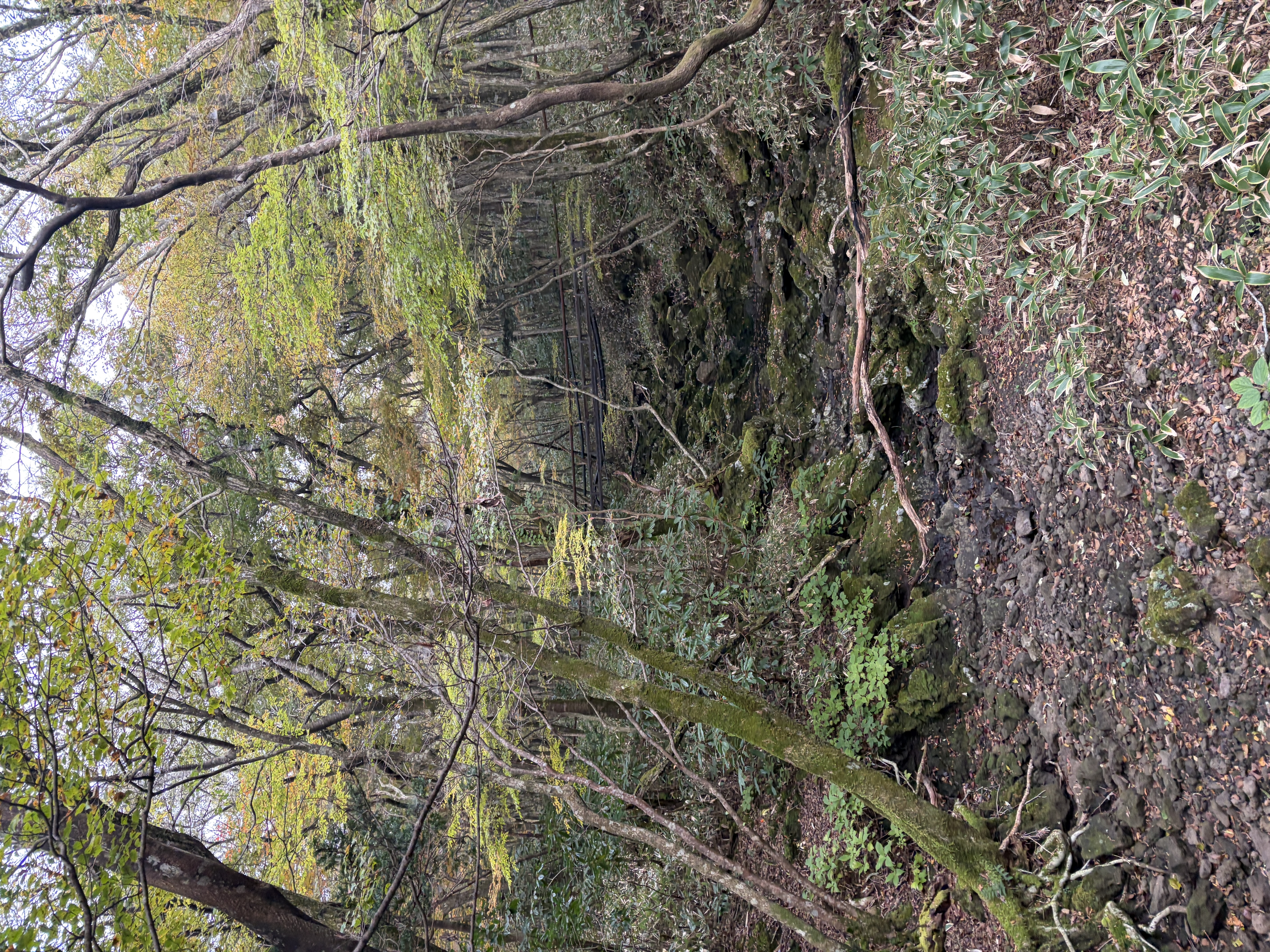
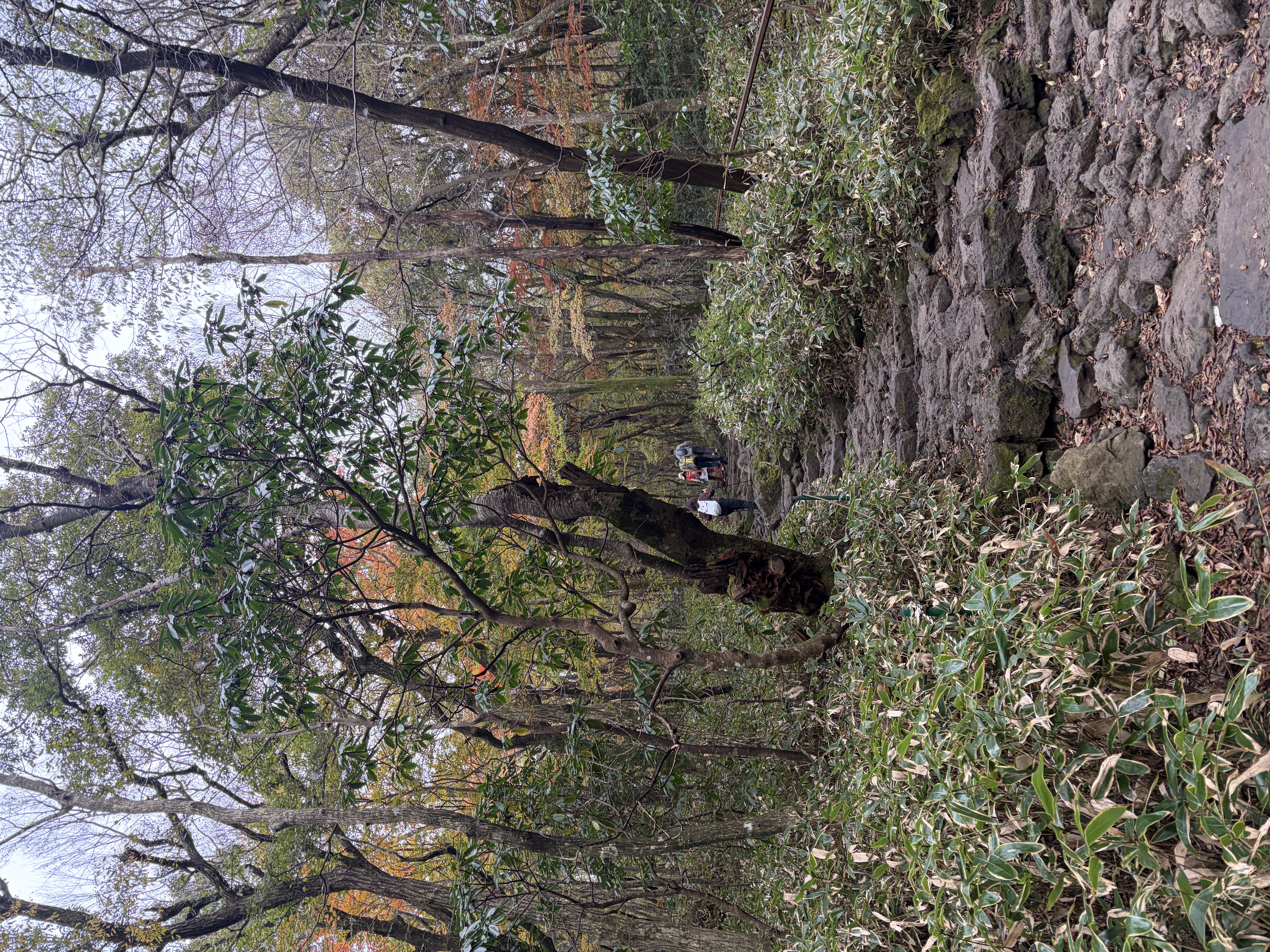
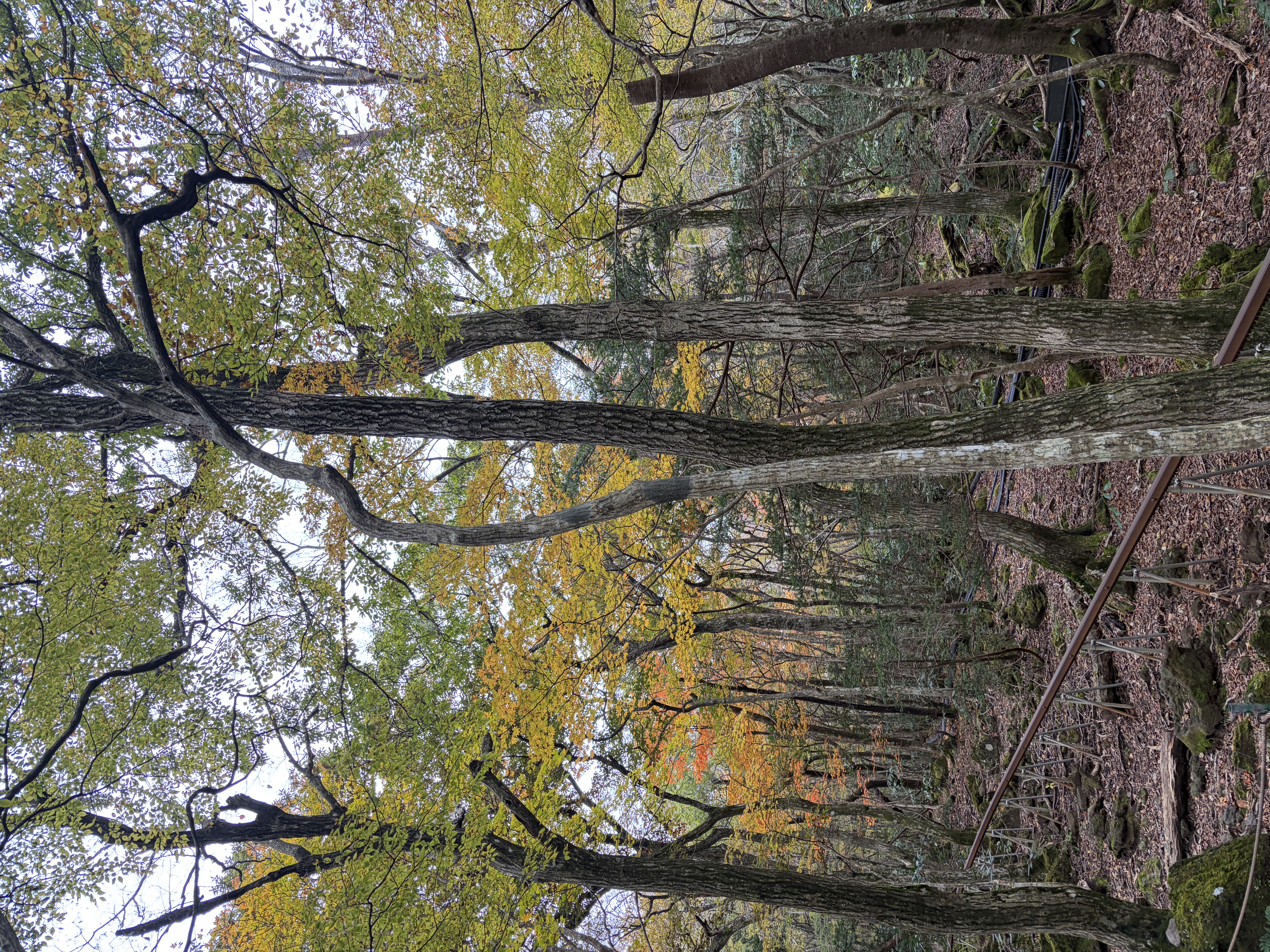
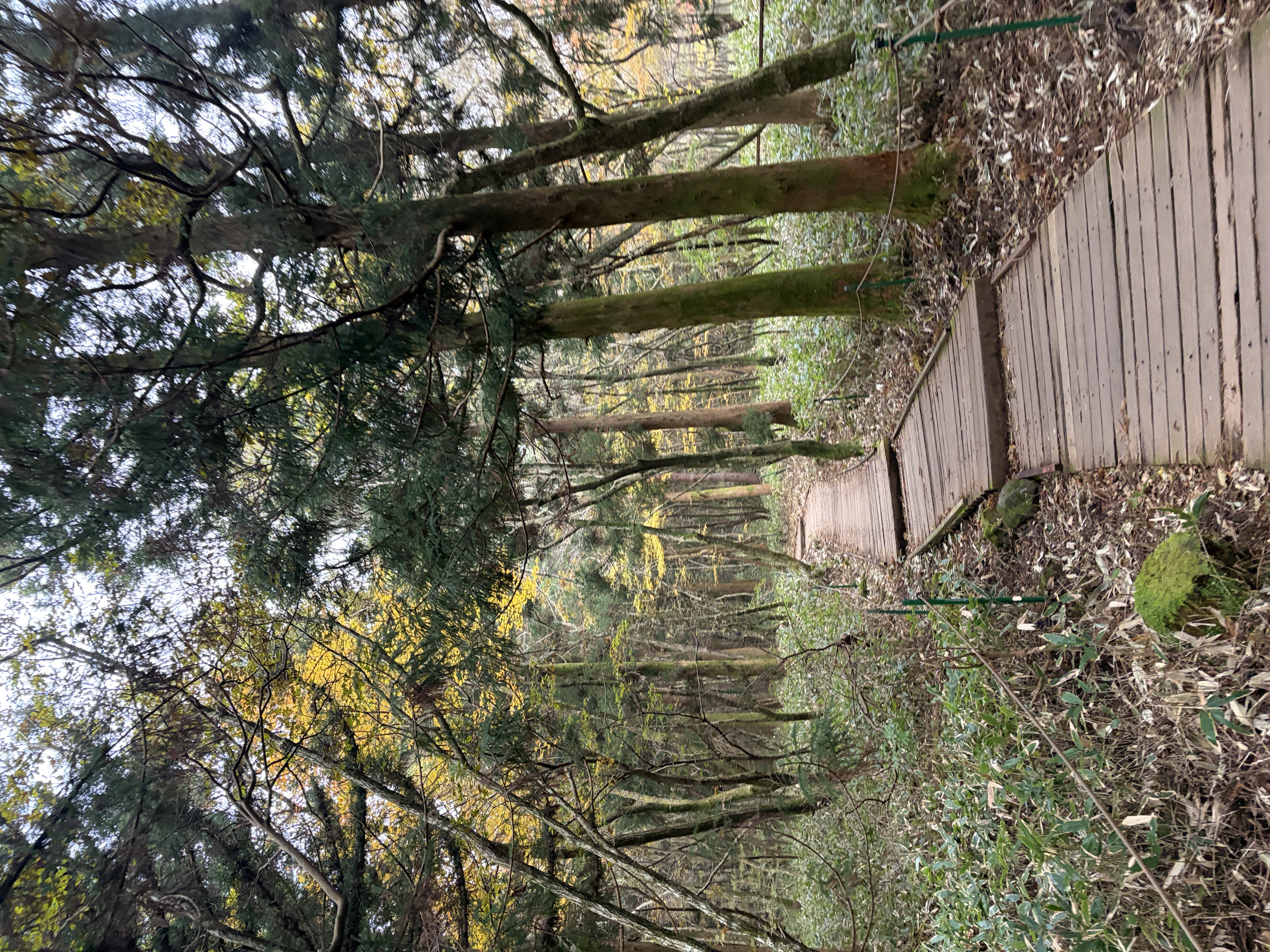
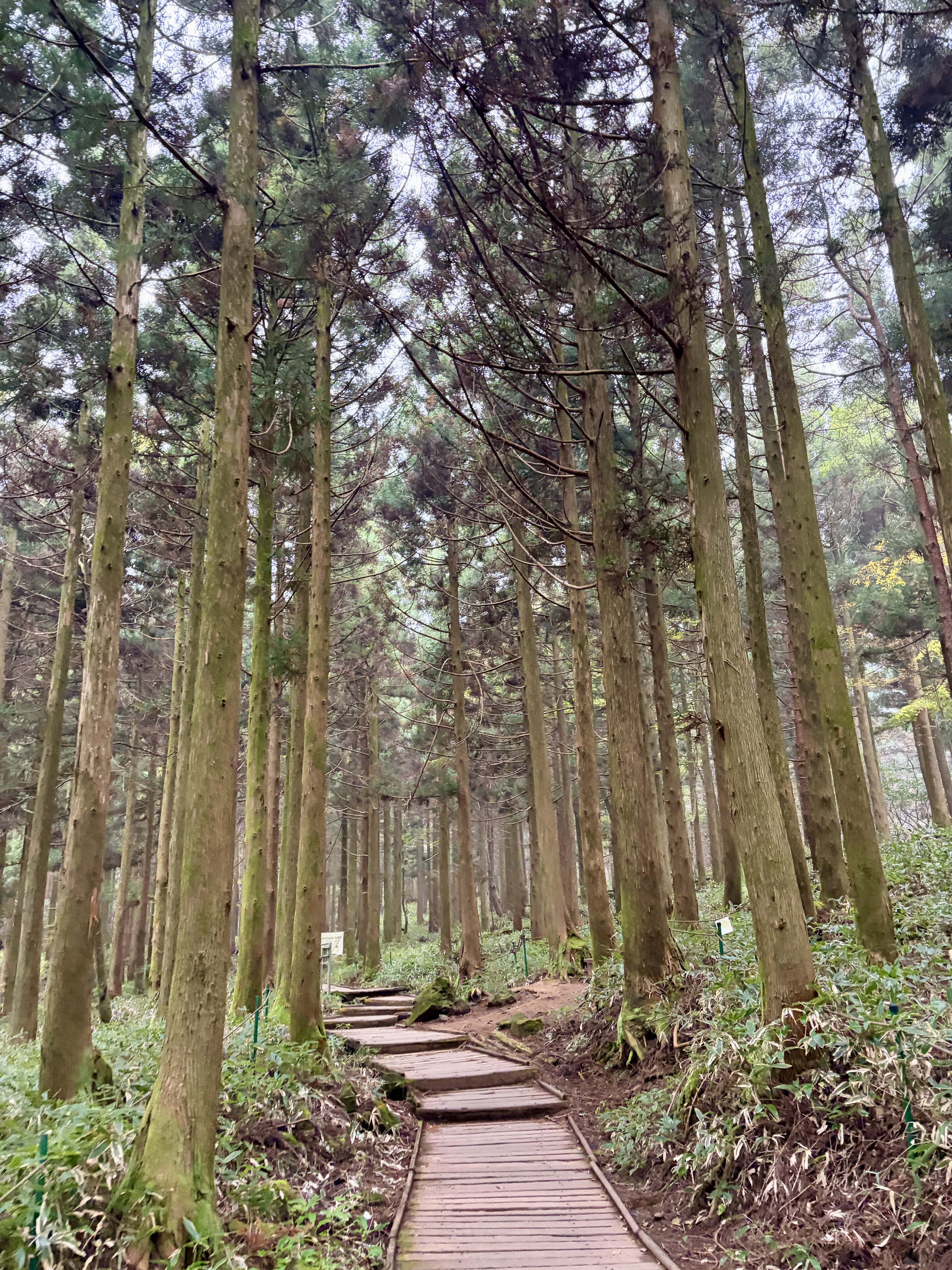
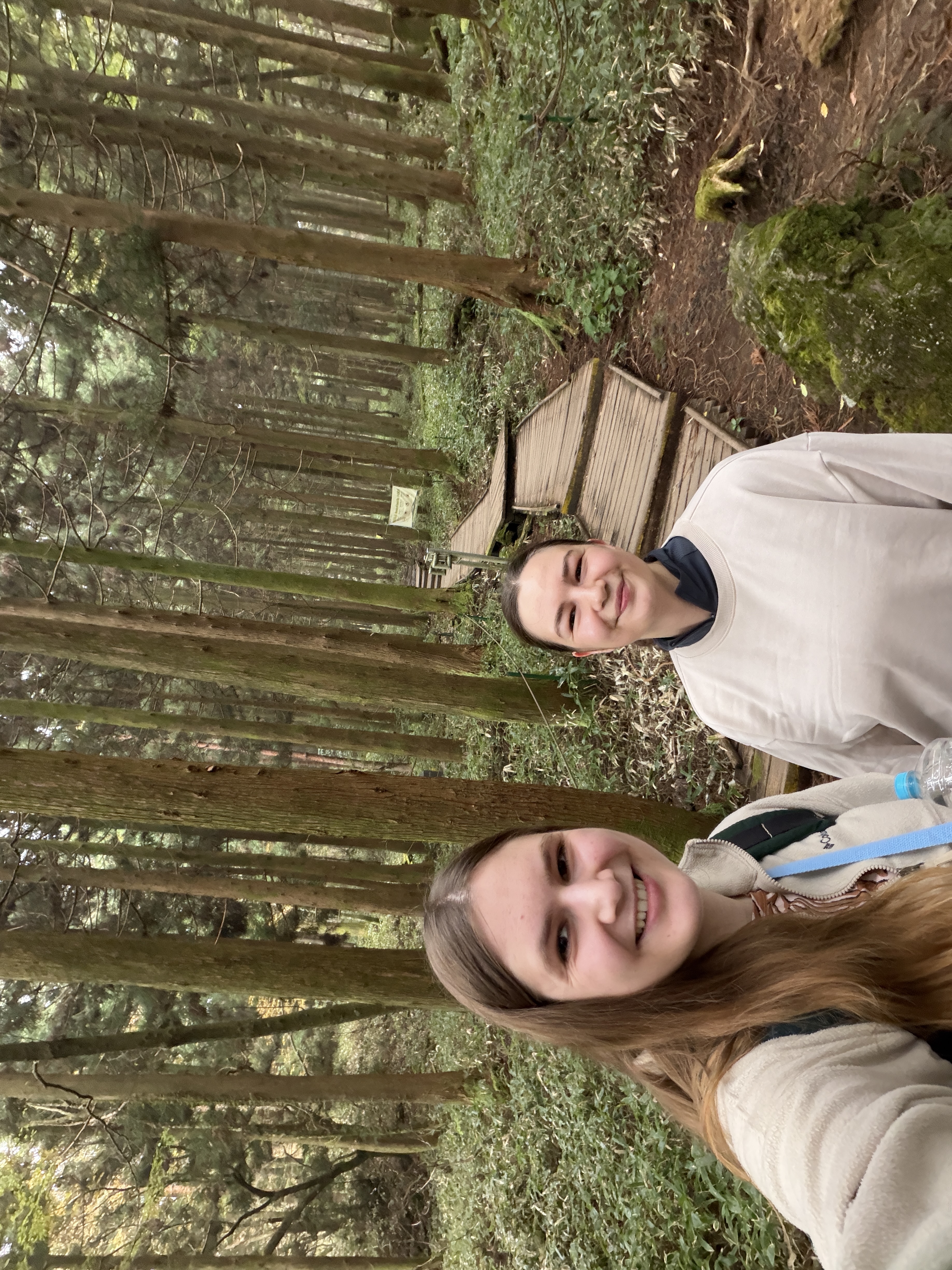
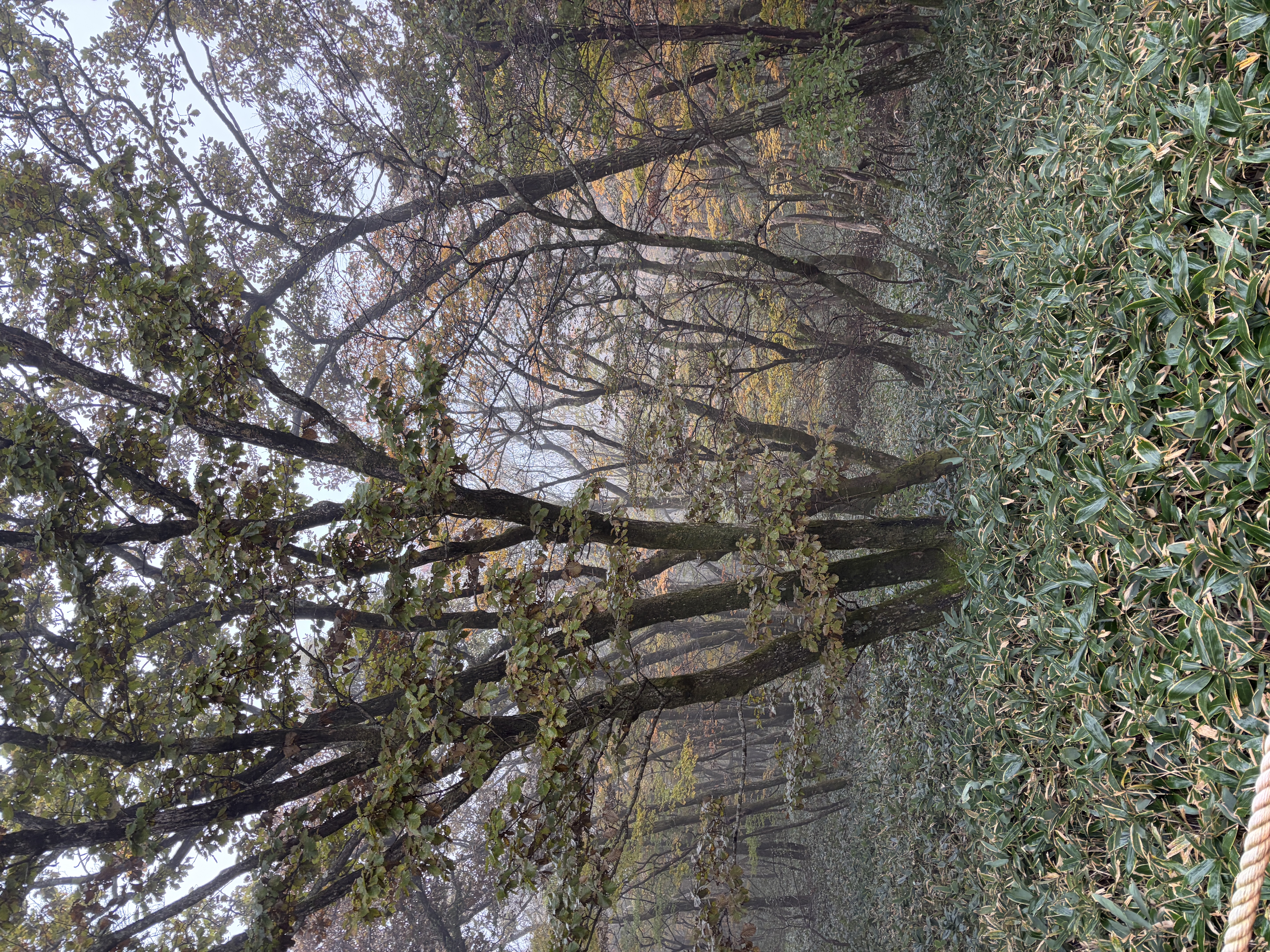
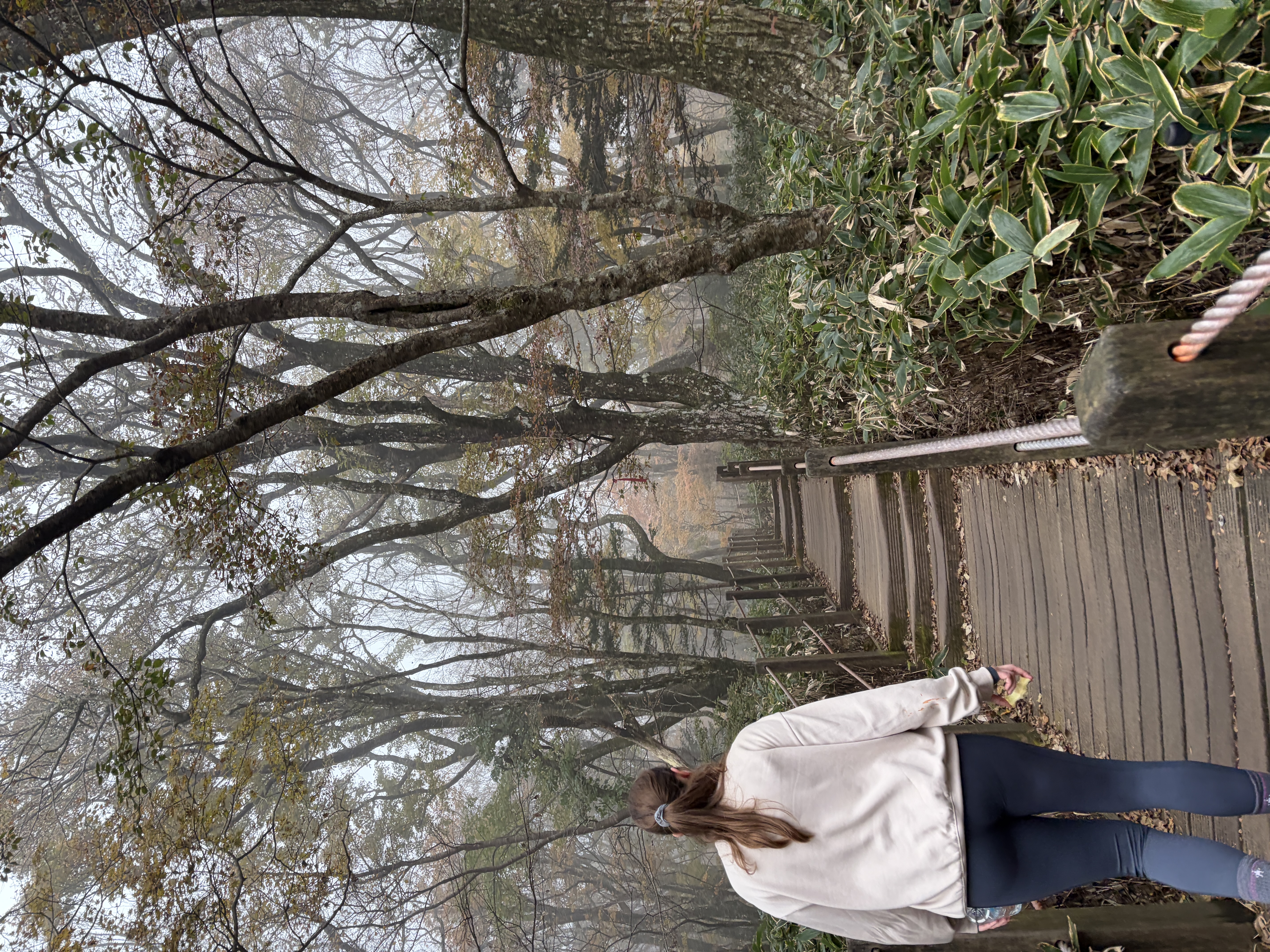
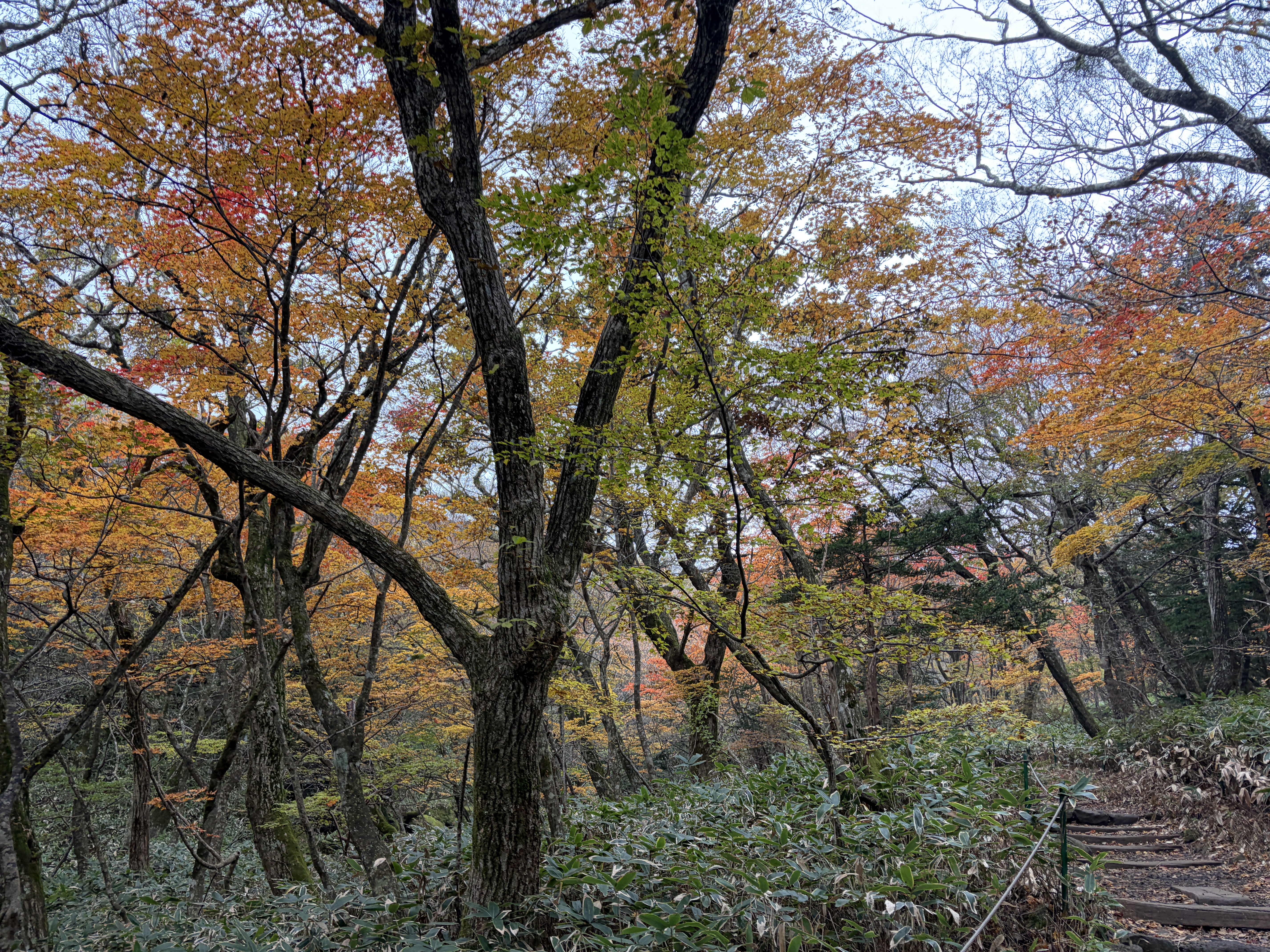
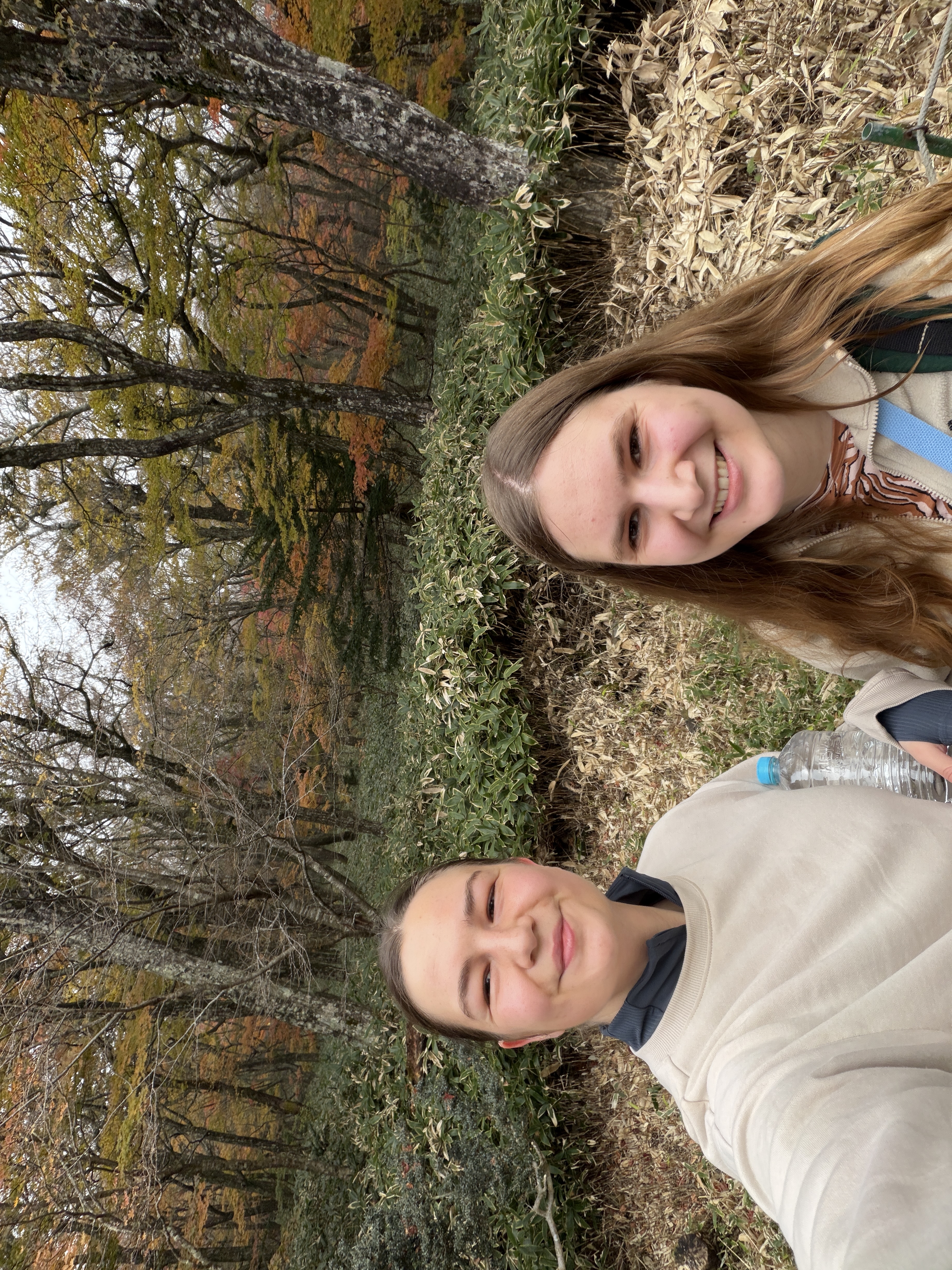
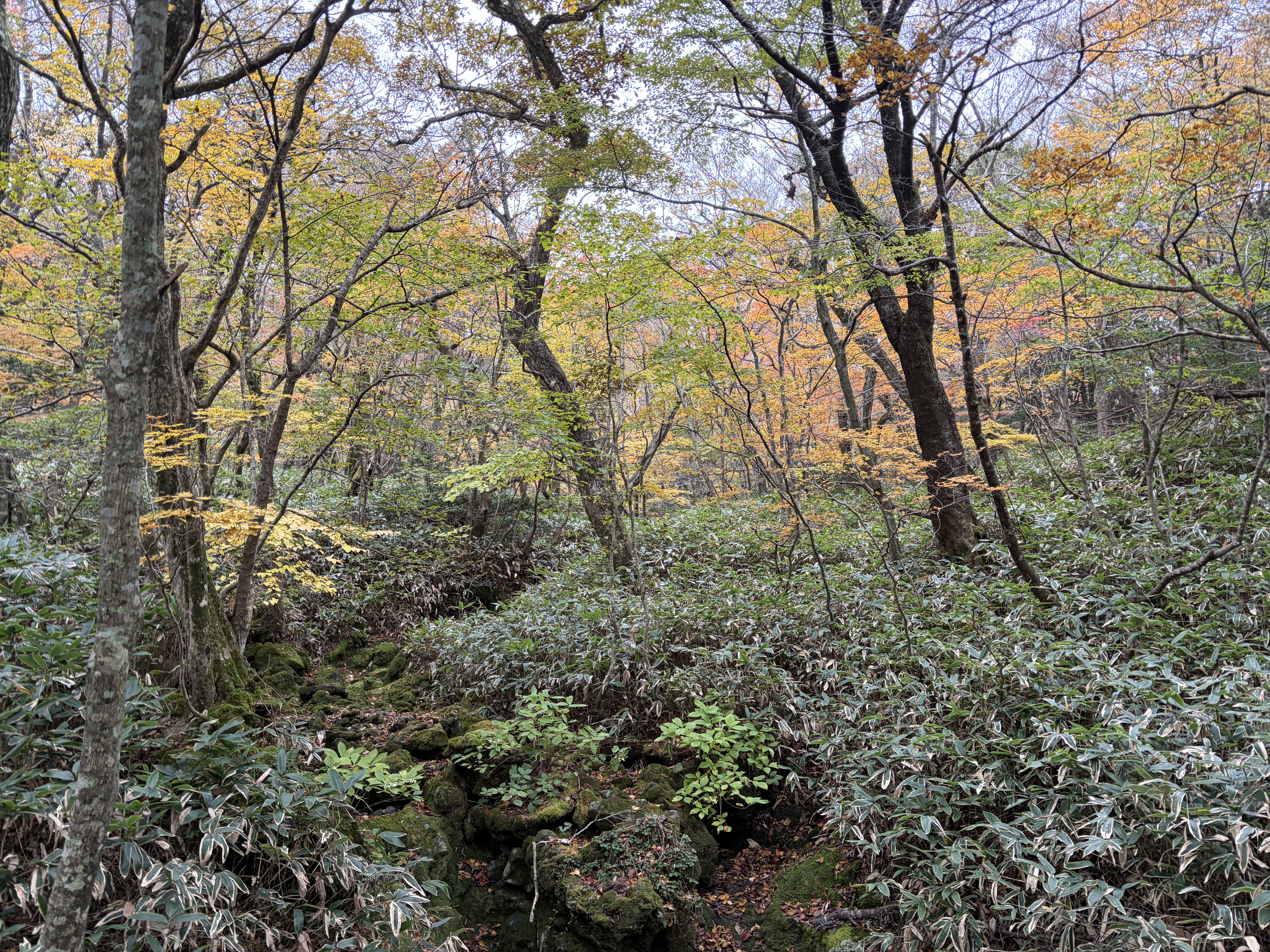
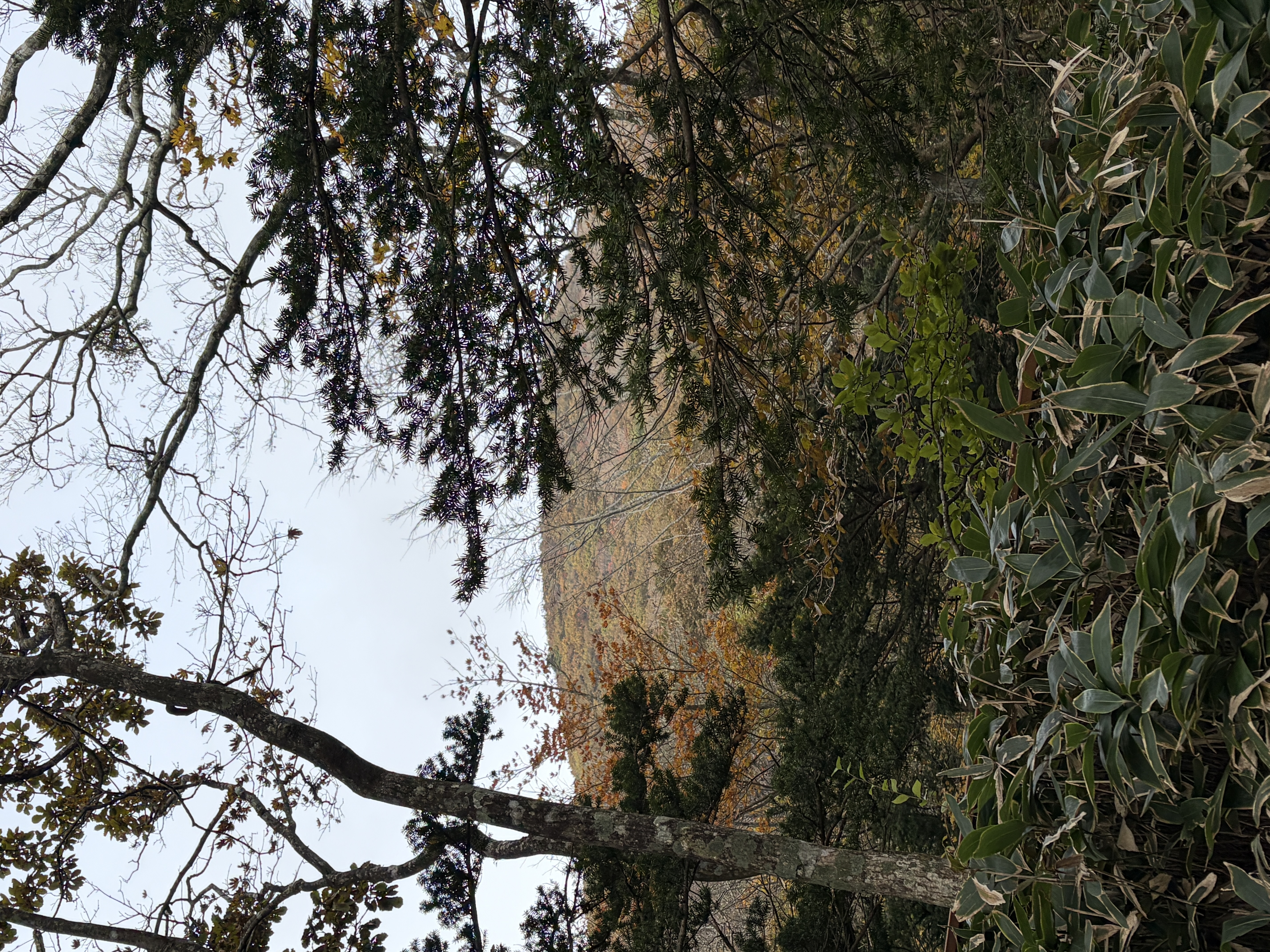
First part of the trail
There were some stops/checkpoints on the way, but we were worried about the deadline, so we moved on with barely any breaks. We shared one backpack, which was quite heavy. We alternated who carried it, and every time you could take it off, life was 10 times easier. At some point we started to get into the red part of the trail, which was supposed to be the hardest part. It was somewhat steeper, and the trail itself was more messy, with more rocks and roots etc, with now and then some stairs. We expected so much worse, so this was actually really not that bad. We had faith in ourselves and in reaching the top on time. Everything was going great, the trail was still pretty and nice. We were sometimes overtaken by other people, but that is fine, we are amateurs. And then finally, an hour before the deadline, we reached the shelter you have to reach before 11.30. We were so happy. And here at this shelter we took a break.
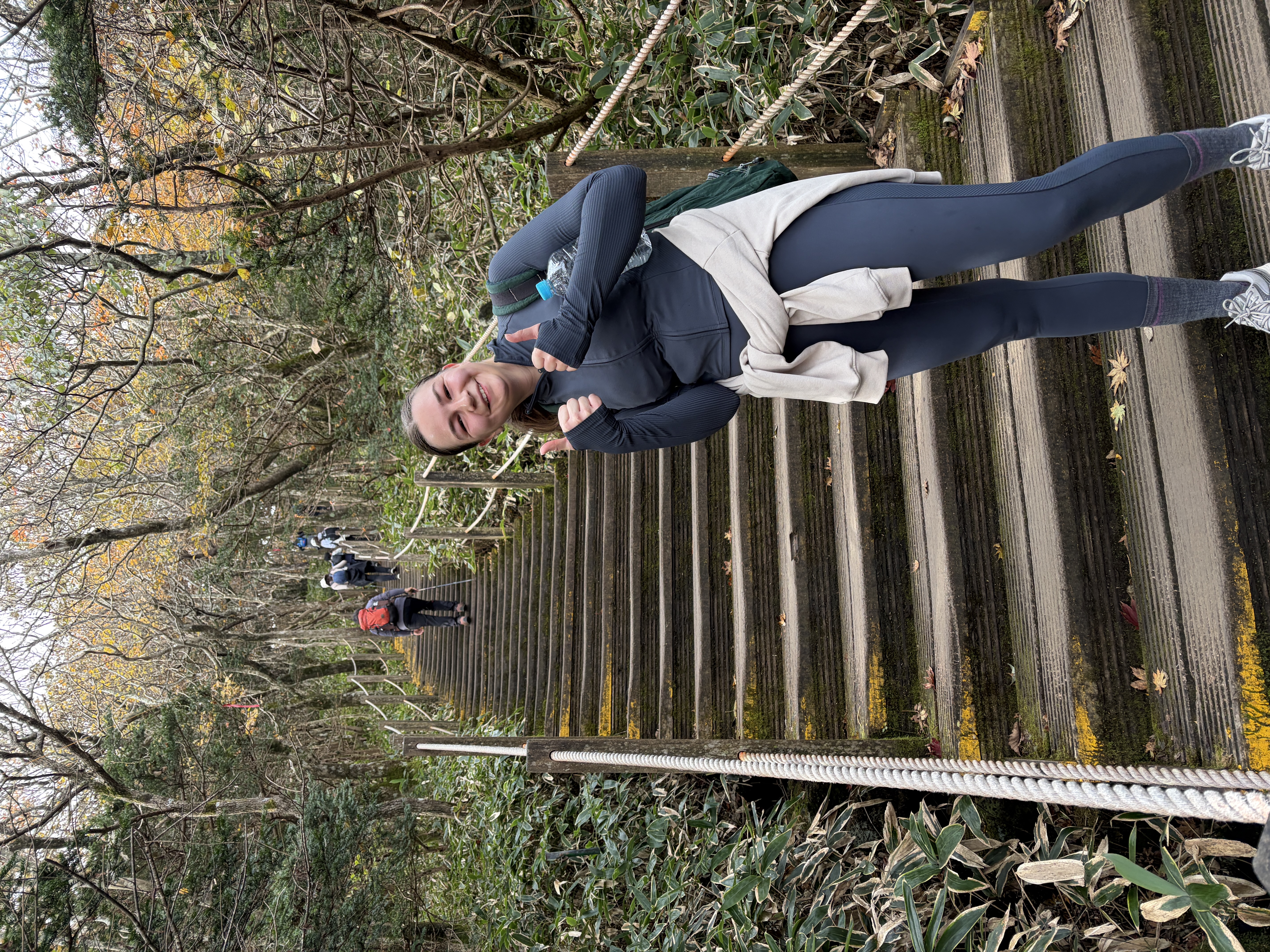
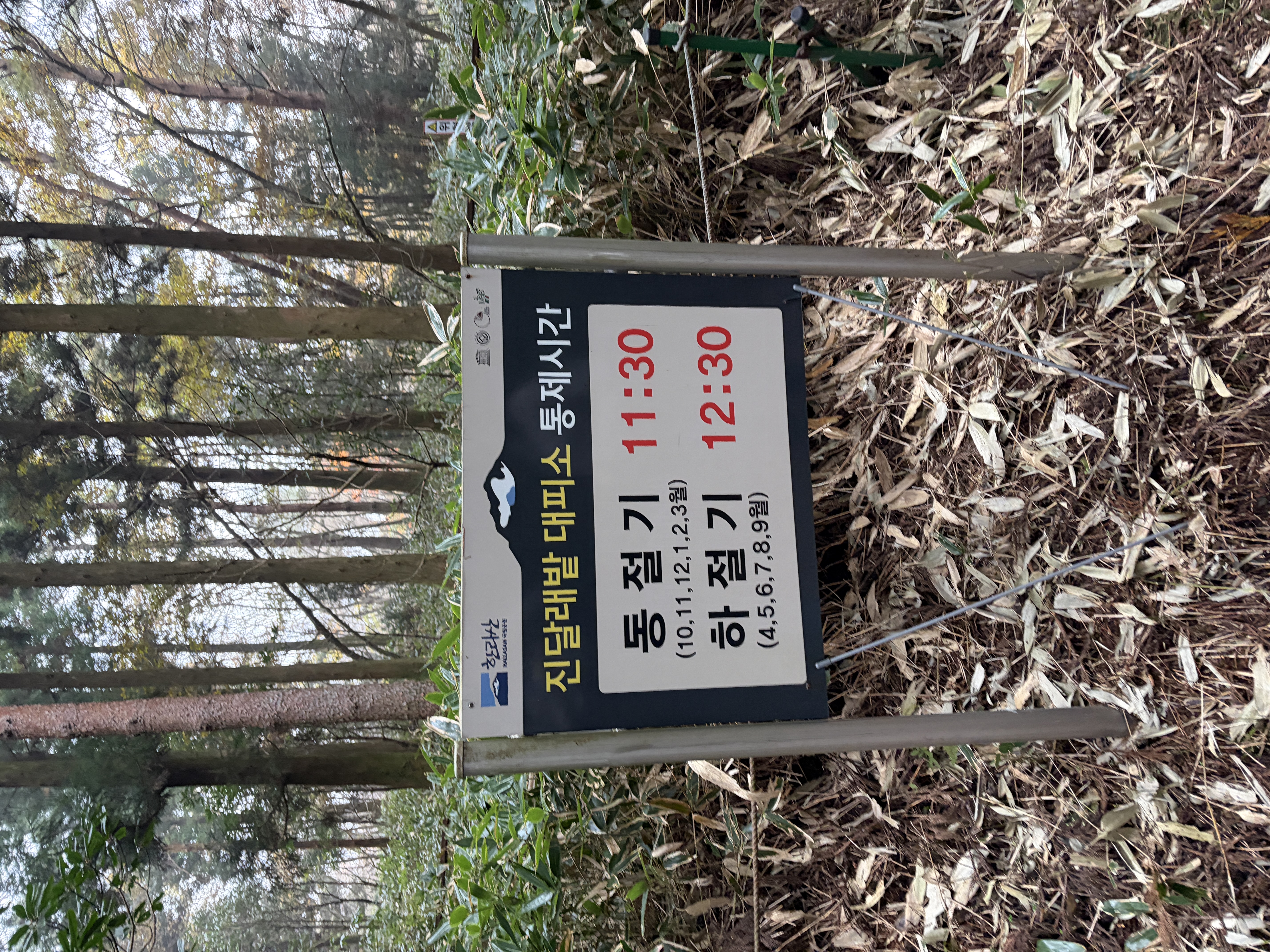
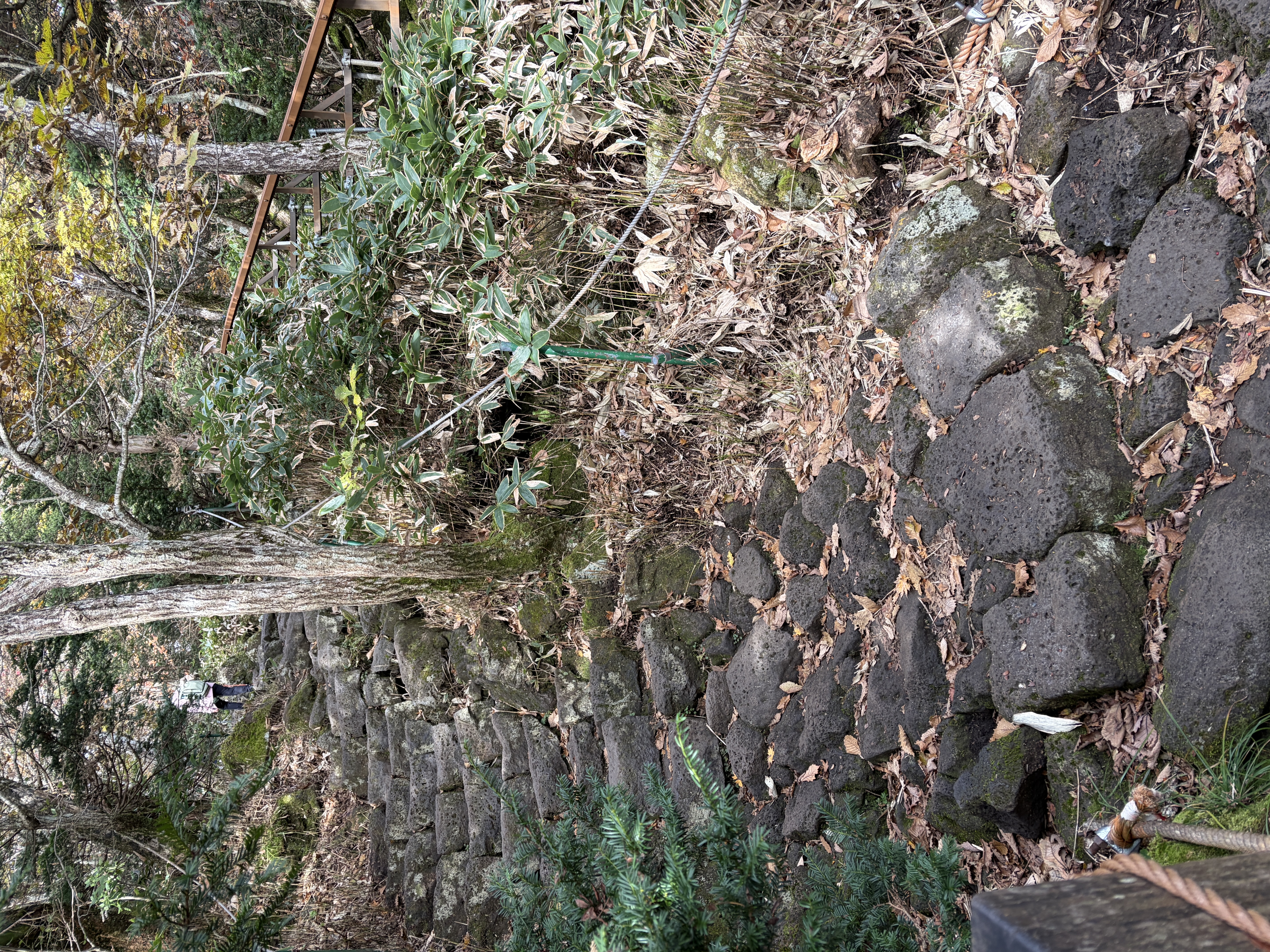
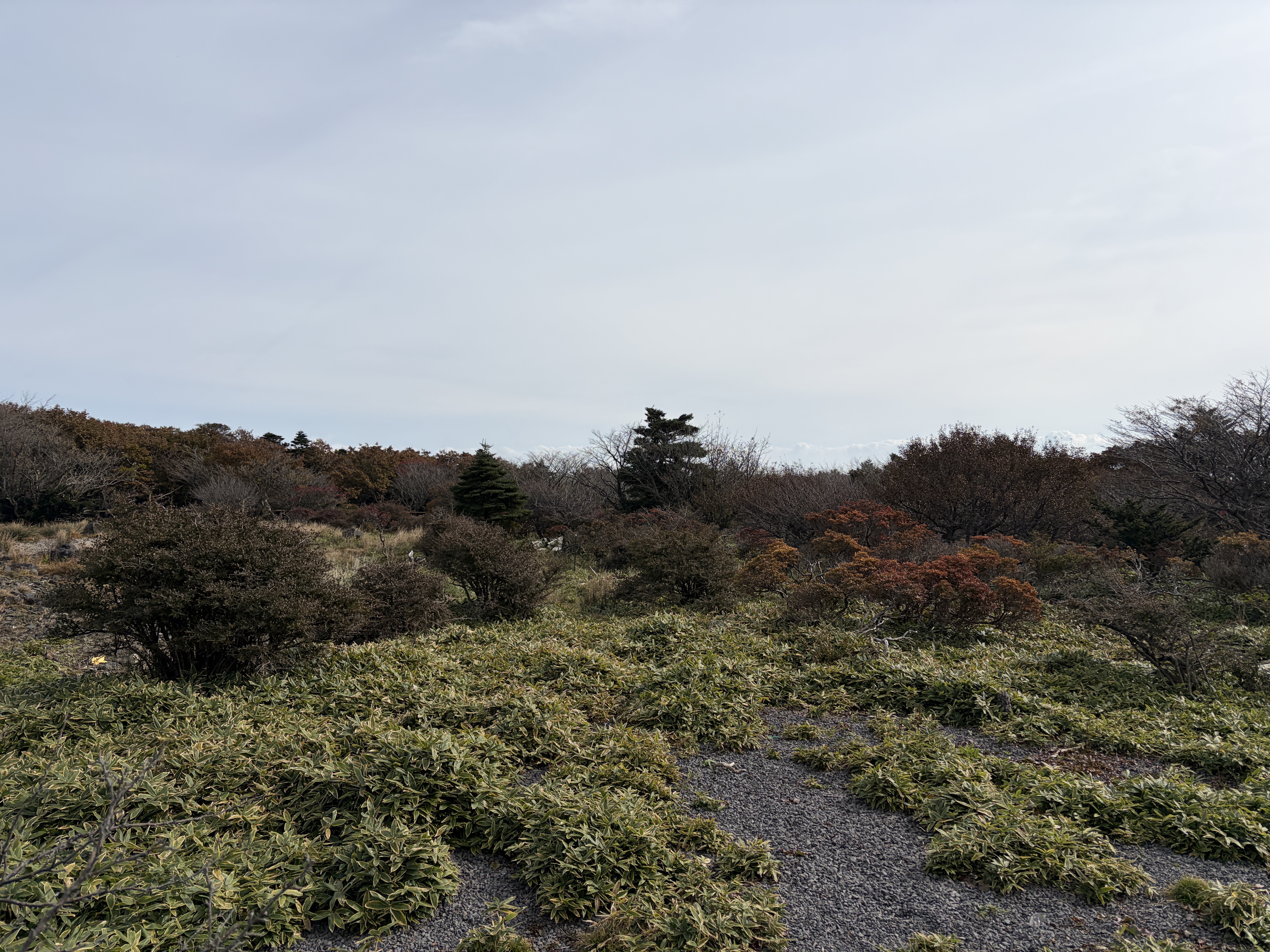
The first stairs, we are ready!
A lot of people were also chilling at the shelter. At this point, I realised that I looked very underprepared. All the Asian people were in full hiking gear, with good shoes. I wore jeans and sneakers. The only other people in jeans and sneakers were other white people. We both needed to go to the toilet. However, this was a disgusting experience. First we thought that the toilets were just broken. Because when we later visited other toilets, it just seems like the water just does not go down thoroughly. You can probably imagine the state of the toilet yourself. Next we decided to eat something. We brought some bread and snacks from the Jeju market. One guy and older woman sitting next to us offered us some candy. I think because we were white foreigners or something. Very nice, they gave us Haribo gummy bears. They could not really speak English though, but that was fine. After relaxing for a bit, we continued on through the checkpoint towards the mountain.
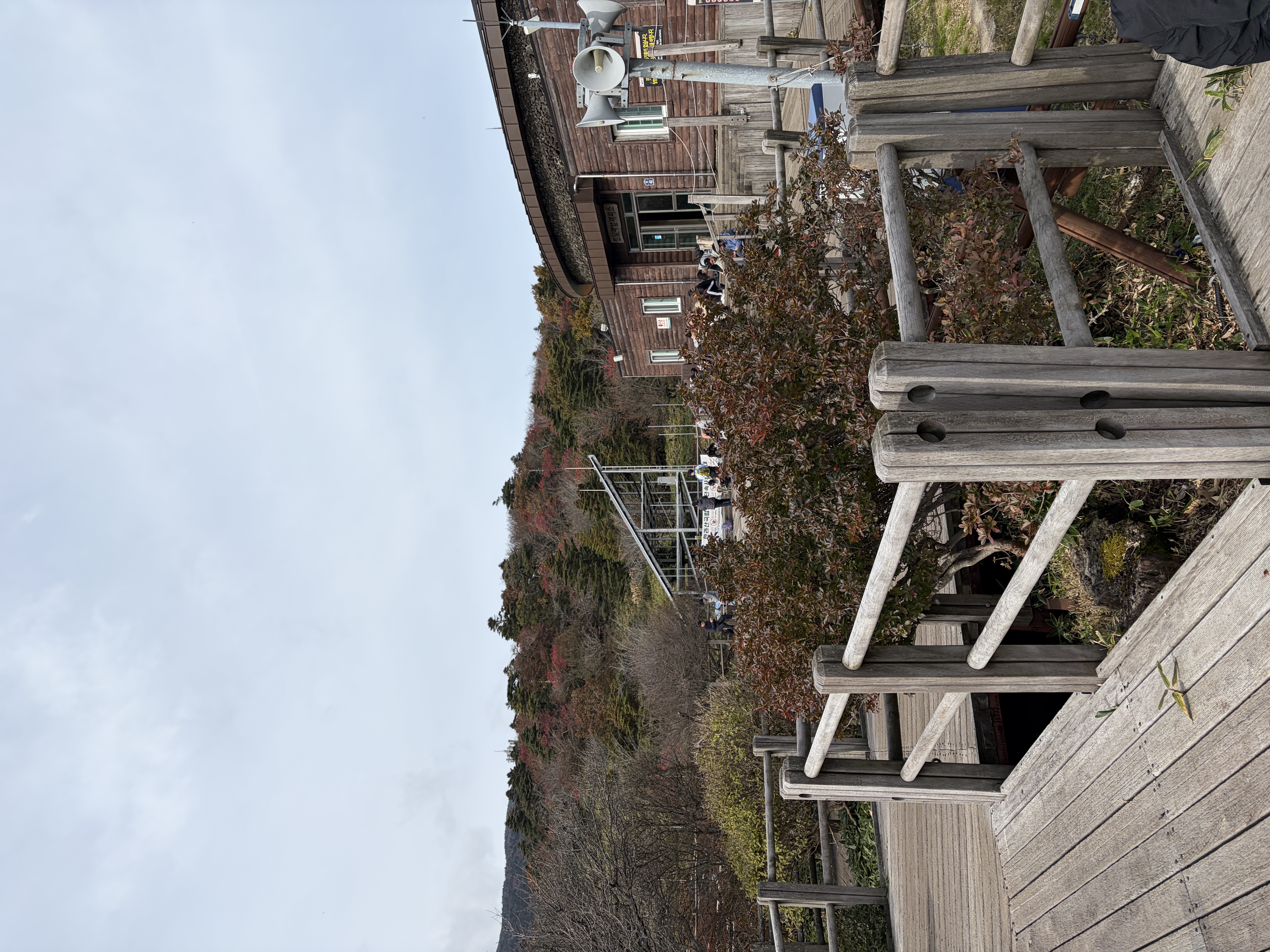
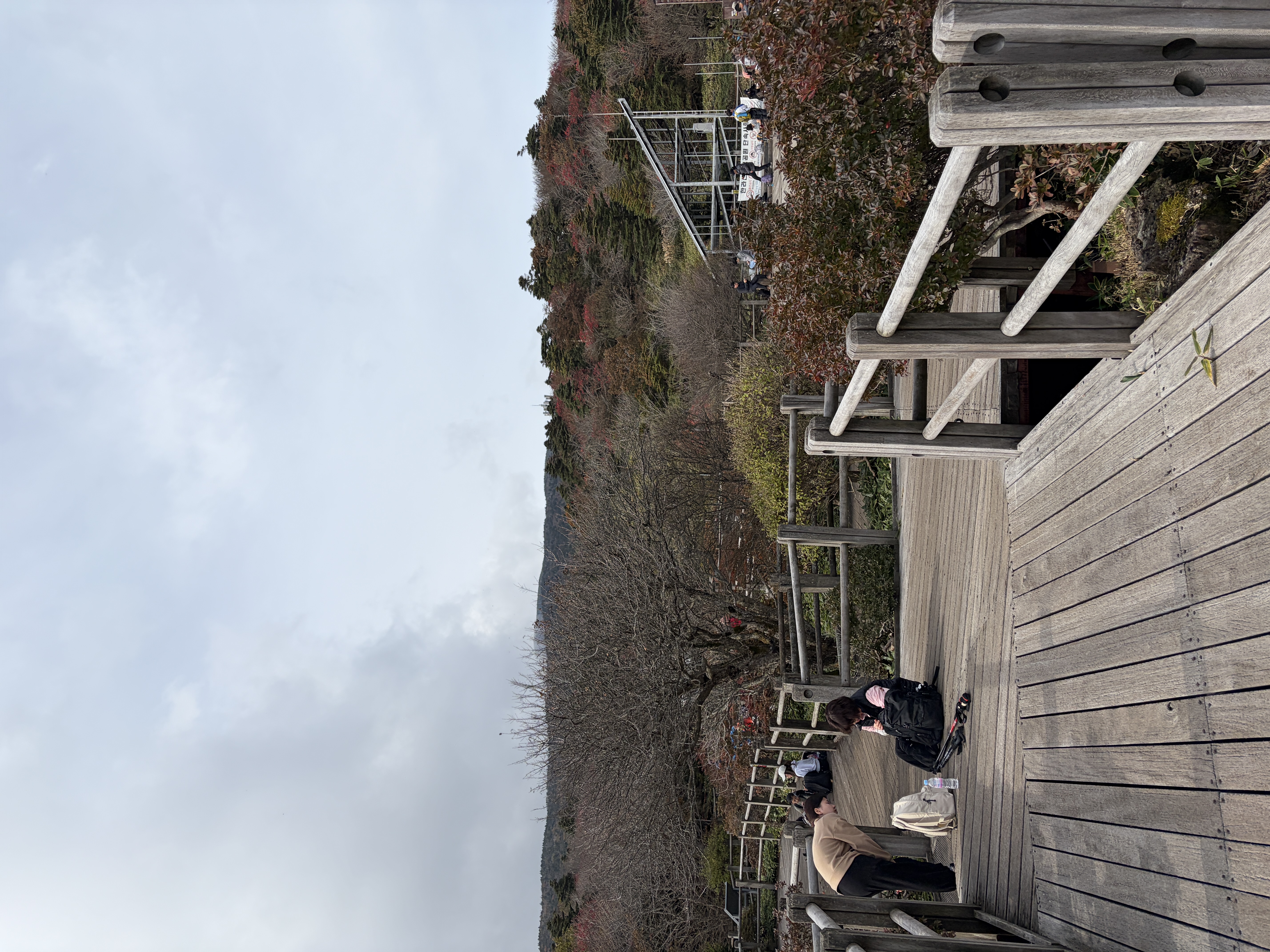
The shelter
The last part after the checkpoint is labelled as green. We though that it should thus be easier than the red part. However, this is where I think the misinterpretation started. I don’t think the colours indicate steepneess. I think they indicate how accessible and well maintained the trail is. The red part contained a lot of rocks and roots, which is more difficiult to walk on. However, I think steepness you should mainly assess by looking at the slope of the mountain, not the colours. The green part mainly consisted of stairs. You know what is absolutely terrible to climb. Stairs. You are basically using the same muscles every time and it becomes so exhausting so quickly. With these stone/root paths, your body can adjust a lot more and use different muscles. Every so many steps we both became exhausted. And of course, we already were a bit exhausted from the climb so far. We really underestimated this last part. However, rather quickly we could already see the peak. This sounds motivating, but to be honest, it was just a constant reminder of how far we still had to go. But no going back now.
At this point of the hike, the vegetation started to really change. The trees started to disappear, or look more dead. Sadly enough, the sky was also really clouded. So we did not have a view of the surrounding and the island at all. It did give the hike some mystical vibes, but I guess I am just coping. In the mean time, there was this Korean guy that started talking to us. The problem is, his English was also very bad. But he insisted on talking to us. We was so interested in us. He also wanted to talk about the Netherlands, how he wants to visit it because of some kind of special tree? I am really not sure. At some point I just said he should visit Keukenhof, idk man. The older people in Korea are generally more talkative and interested in us foreigners, but there English is just so lacking. I really appreciate how they try though.
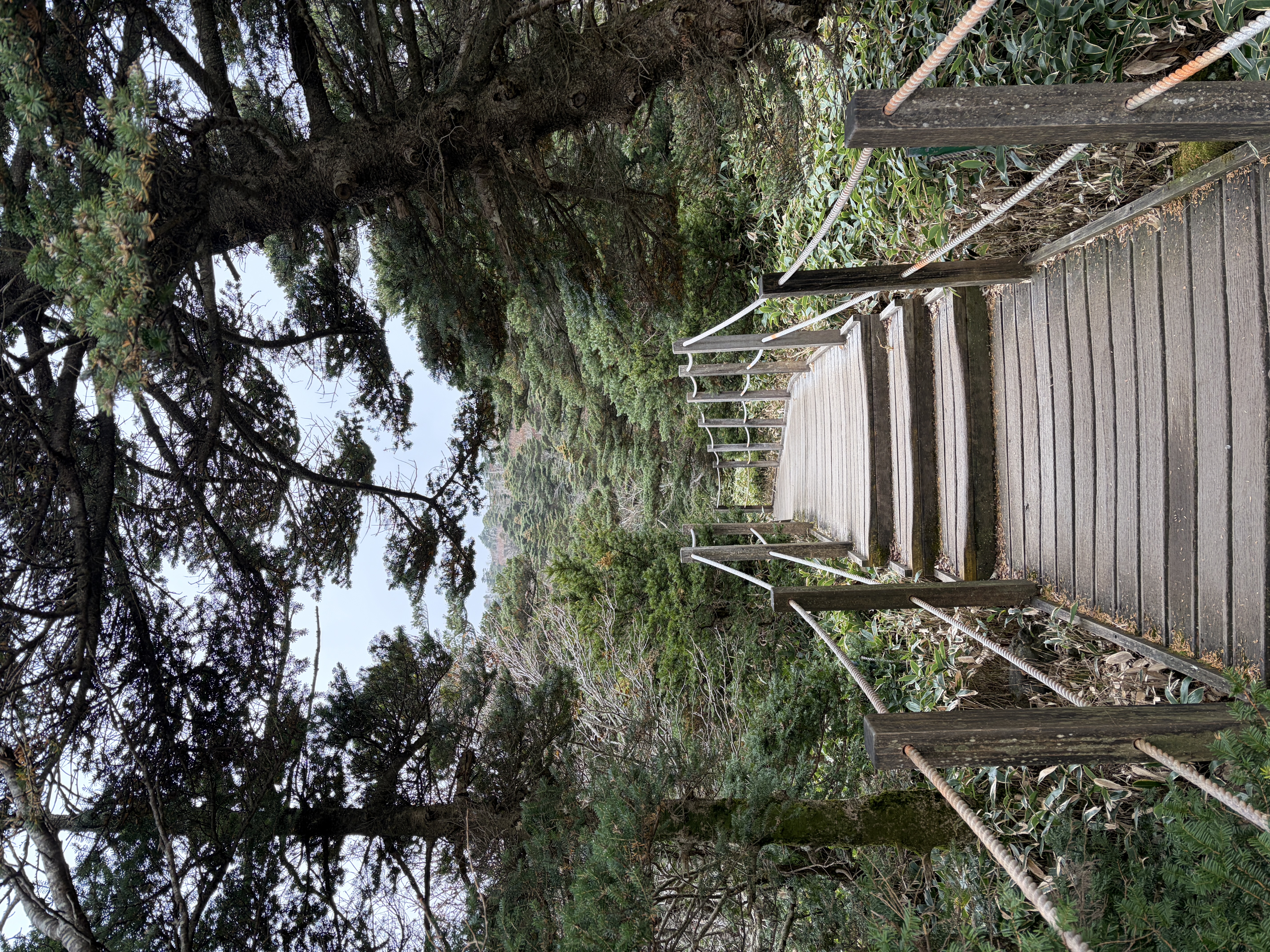
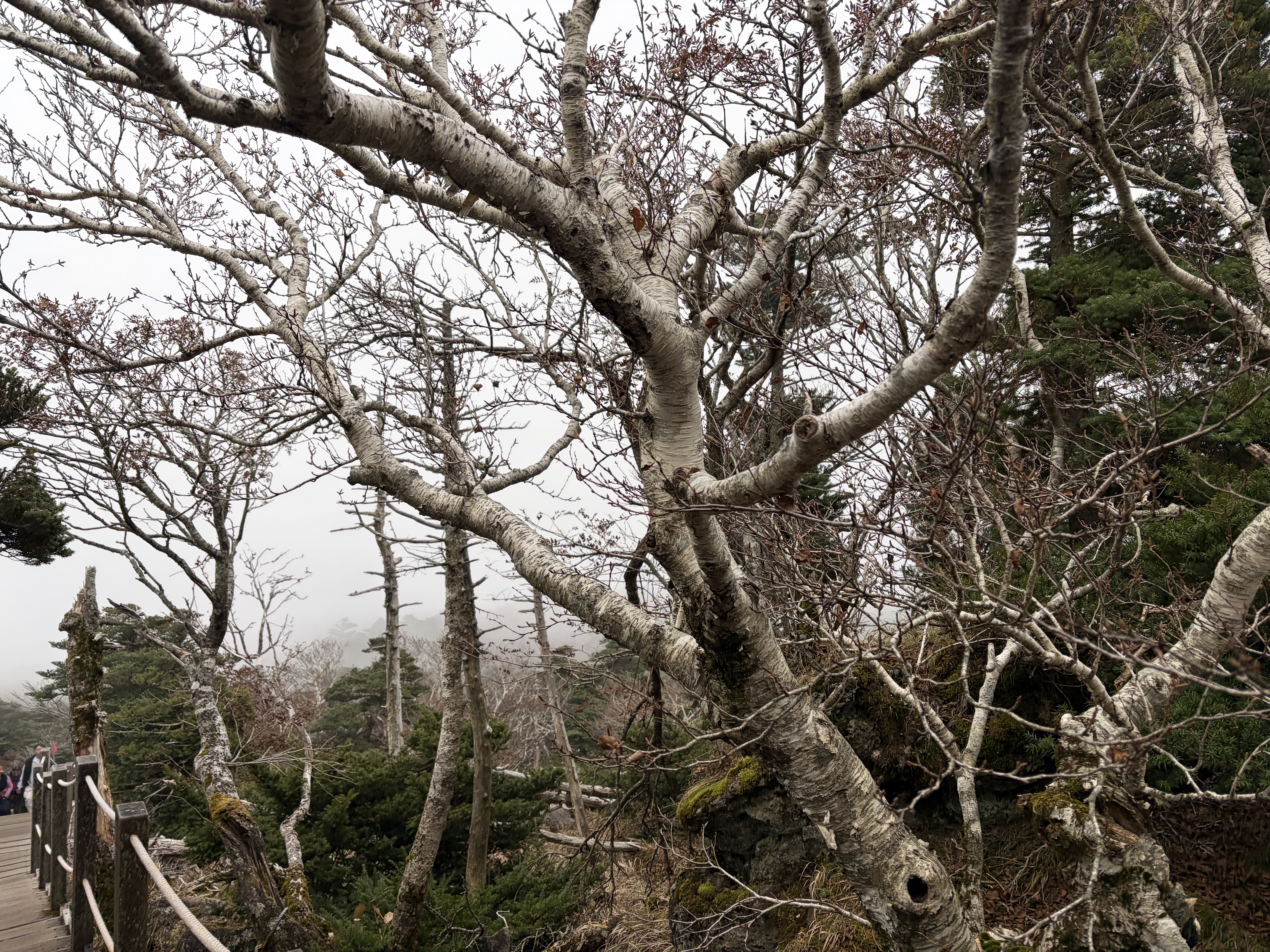
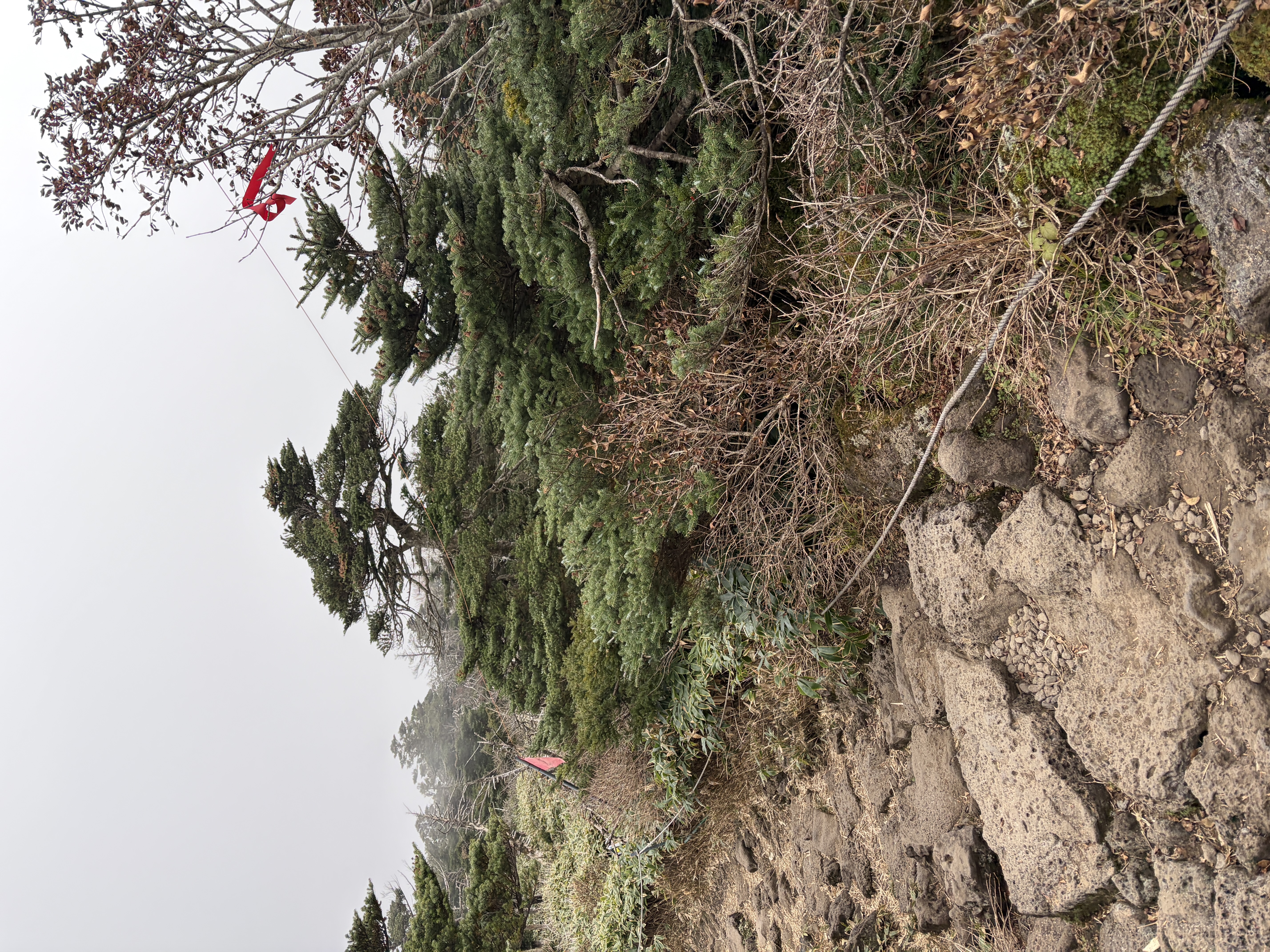
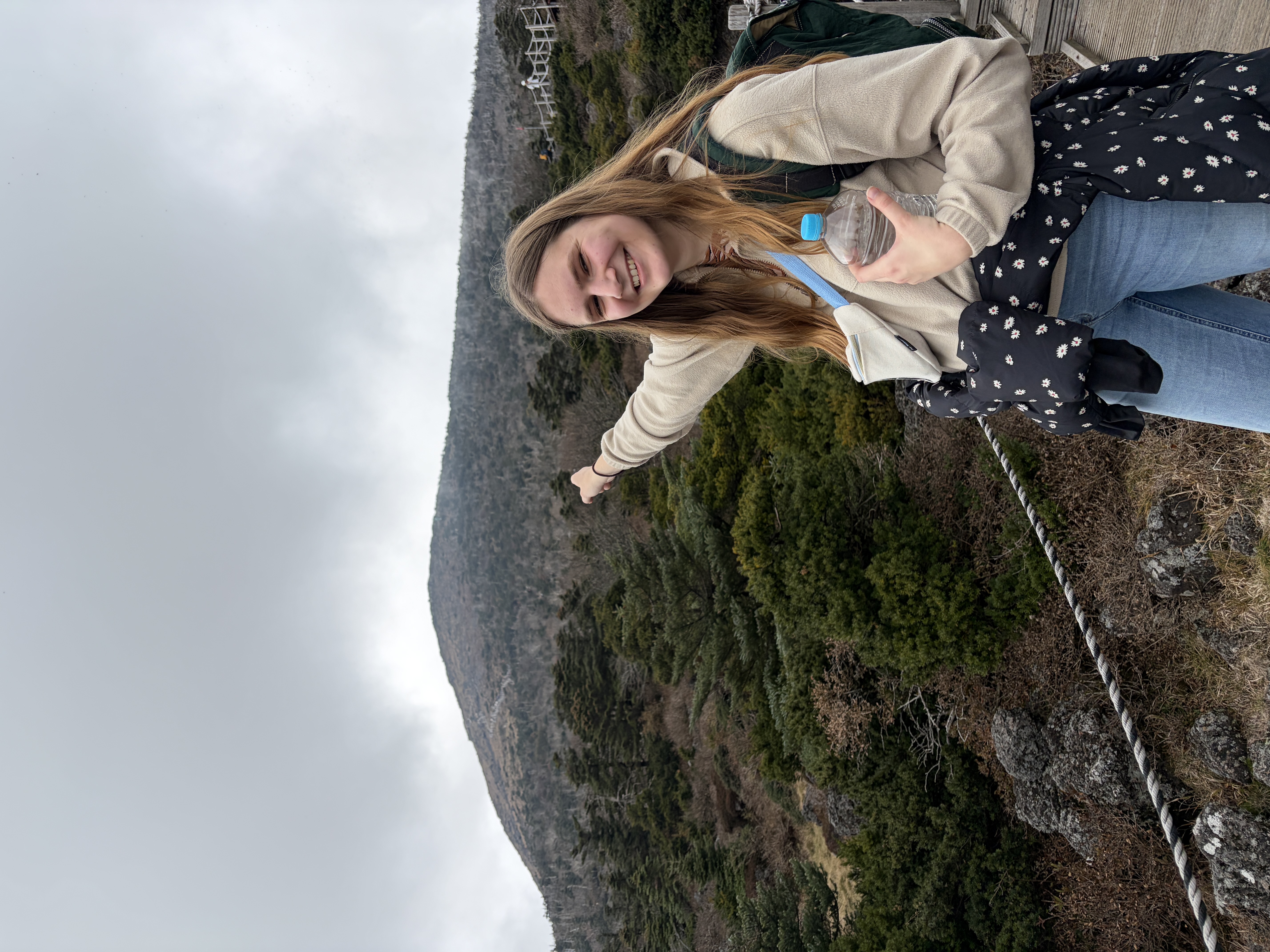
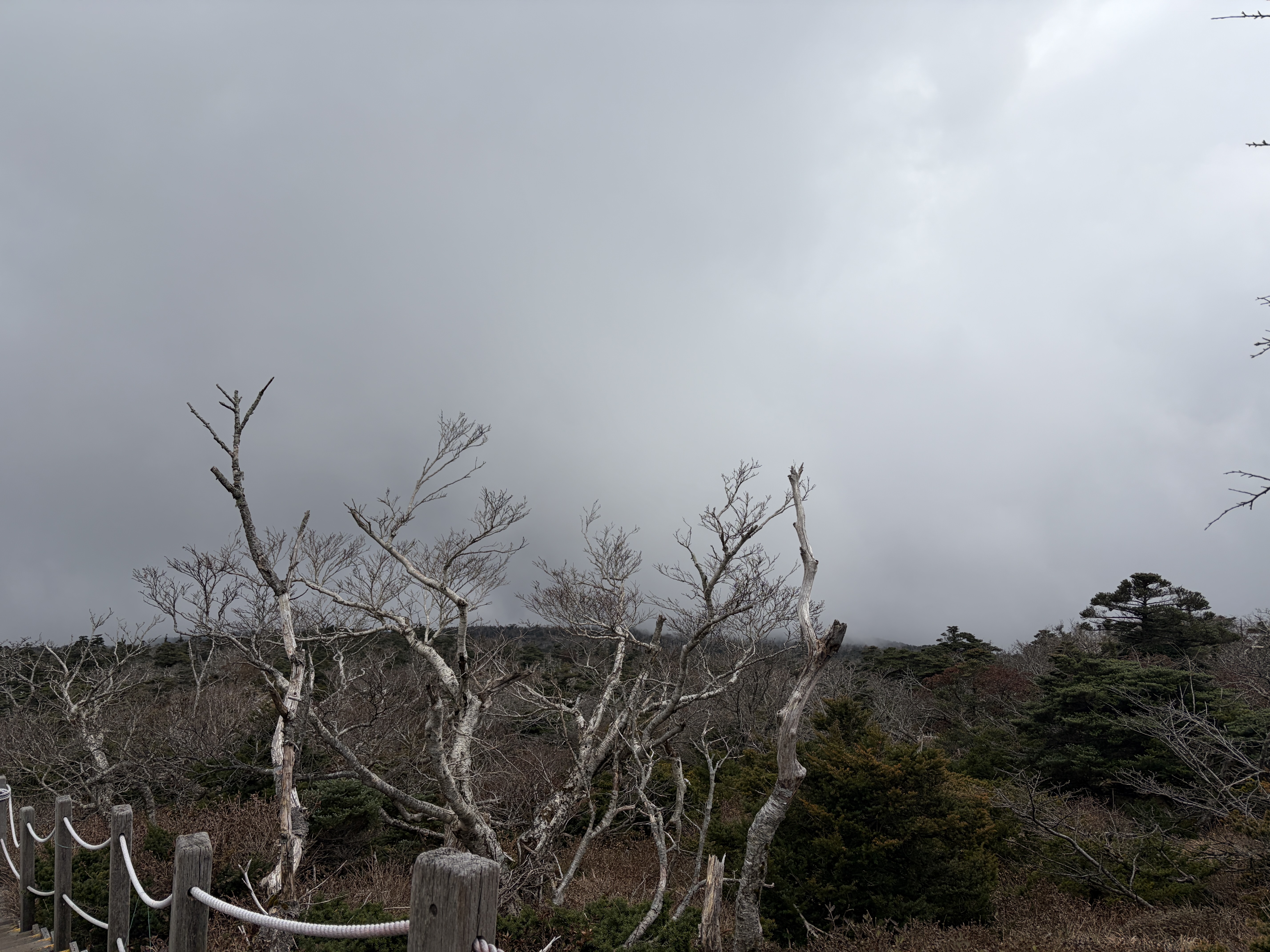
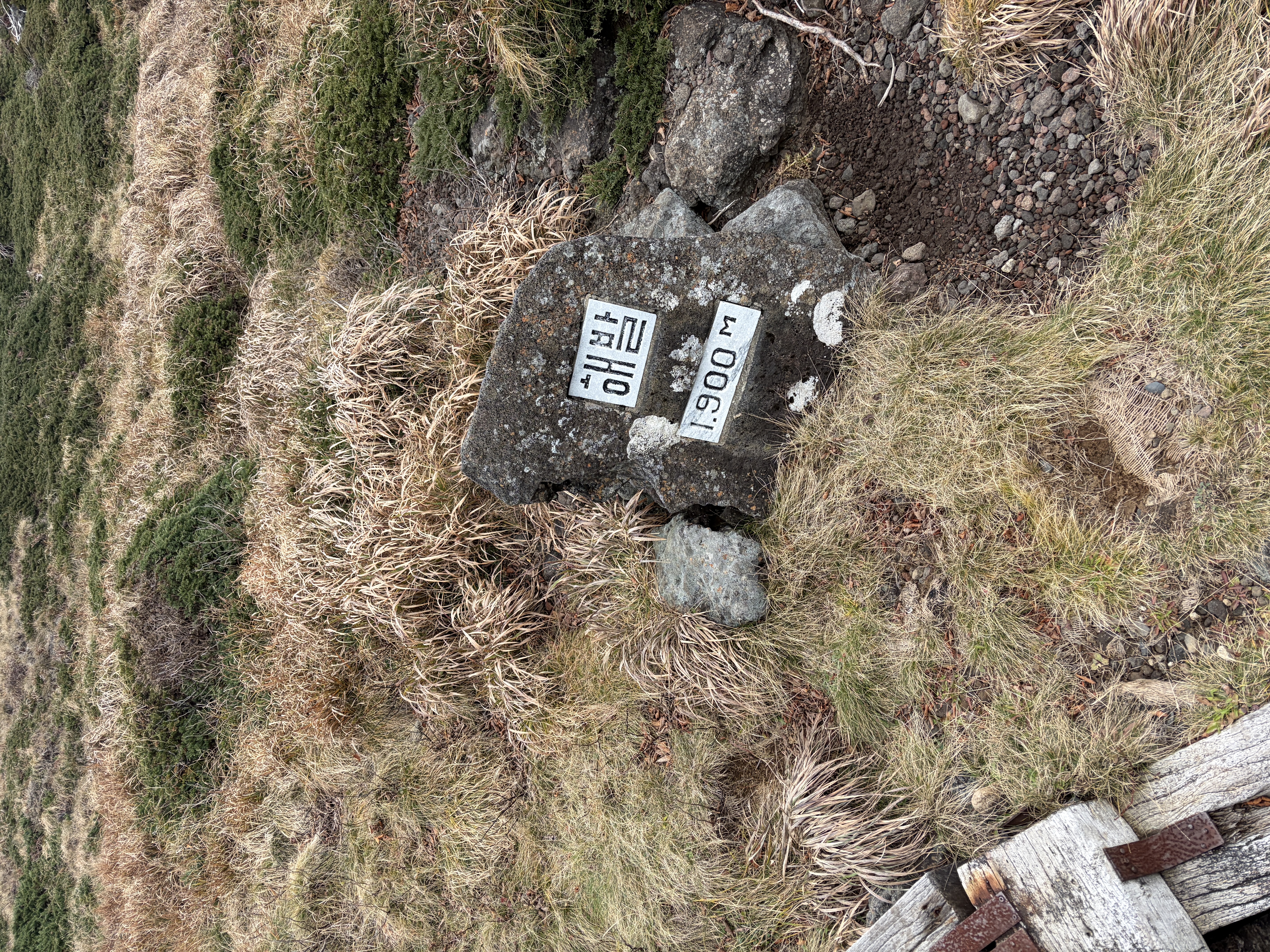
The last part of the trail, too tired to take pictures of the endless stairs
After some serious suffering, we reached the top before the deadline of 12.30. First there was this huge queue, and we thought we had to wait in that queue or something. But the people that were talking with us said we can just move on. Later we realized the queue was for taking a picture with the rock at the top, which is really not worth it. So the top is quite crowded with people, but it was still a nice experience to be there. Sadly enough, the view was still very bad due to the clouds, but it was cool to actually see clouds in the crater. Oh yeah, did I mention that this mountain is a volcano? Pretty cool. Normally there also a lake inside the crater, but November is a dry season, so no lake for us. Our talking companions made a lot of pictures for us. They also pushed us to take a picture with a fake tree that also mentions the peak, it was really cute. At some point we parted with the group, and rested for a bit at the top. We took a picture with the stone from a distance, since we have no time for the queue, and afterwards we started our way down again. So we went up the Seongpanak trail, but we went down the Gwaneumsa trail, which is the other main trail to the top.
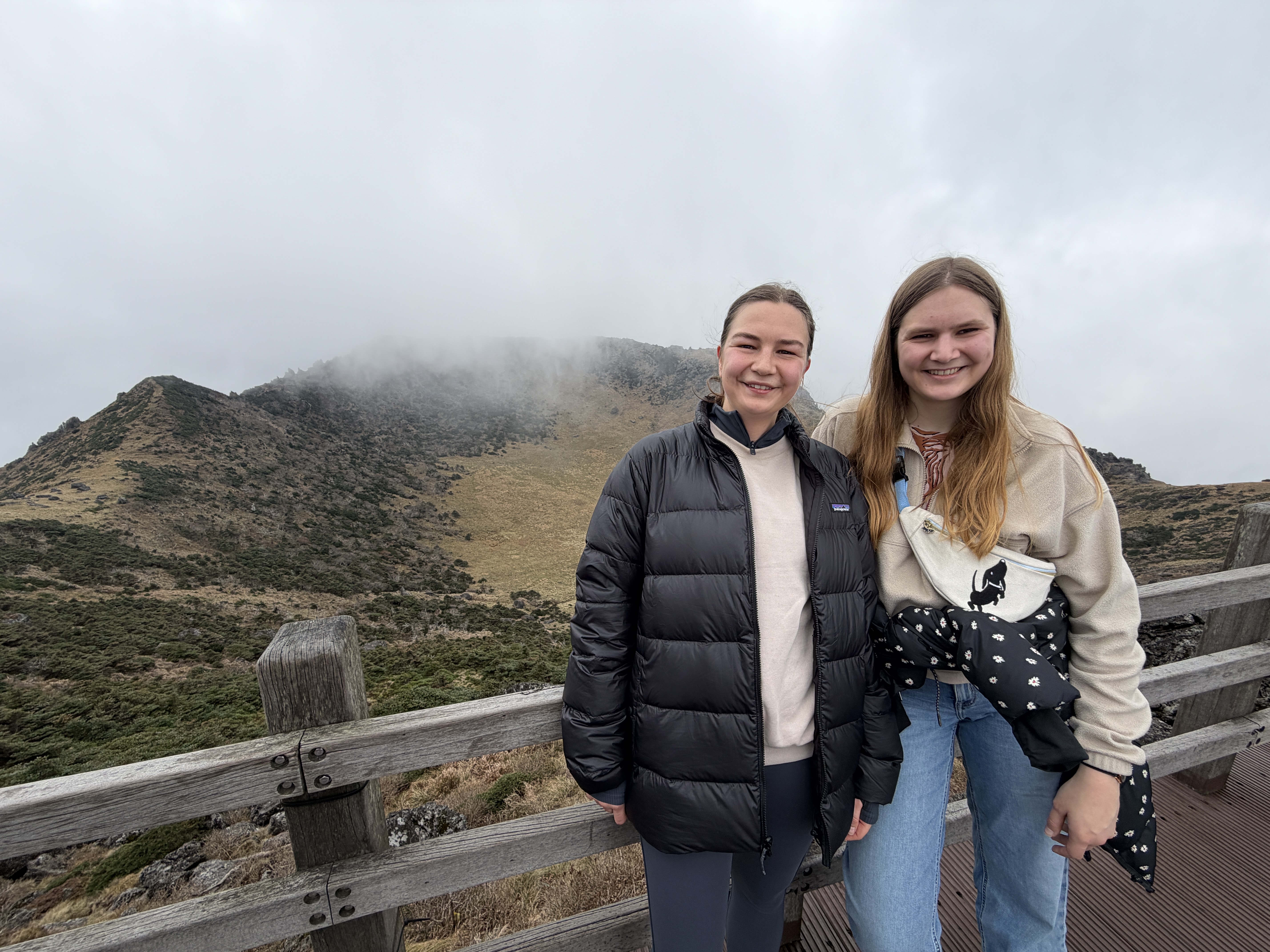
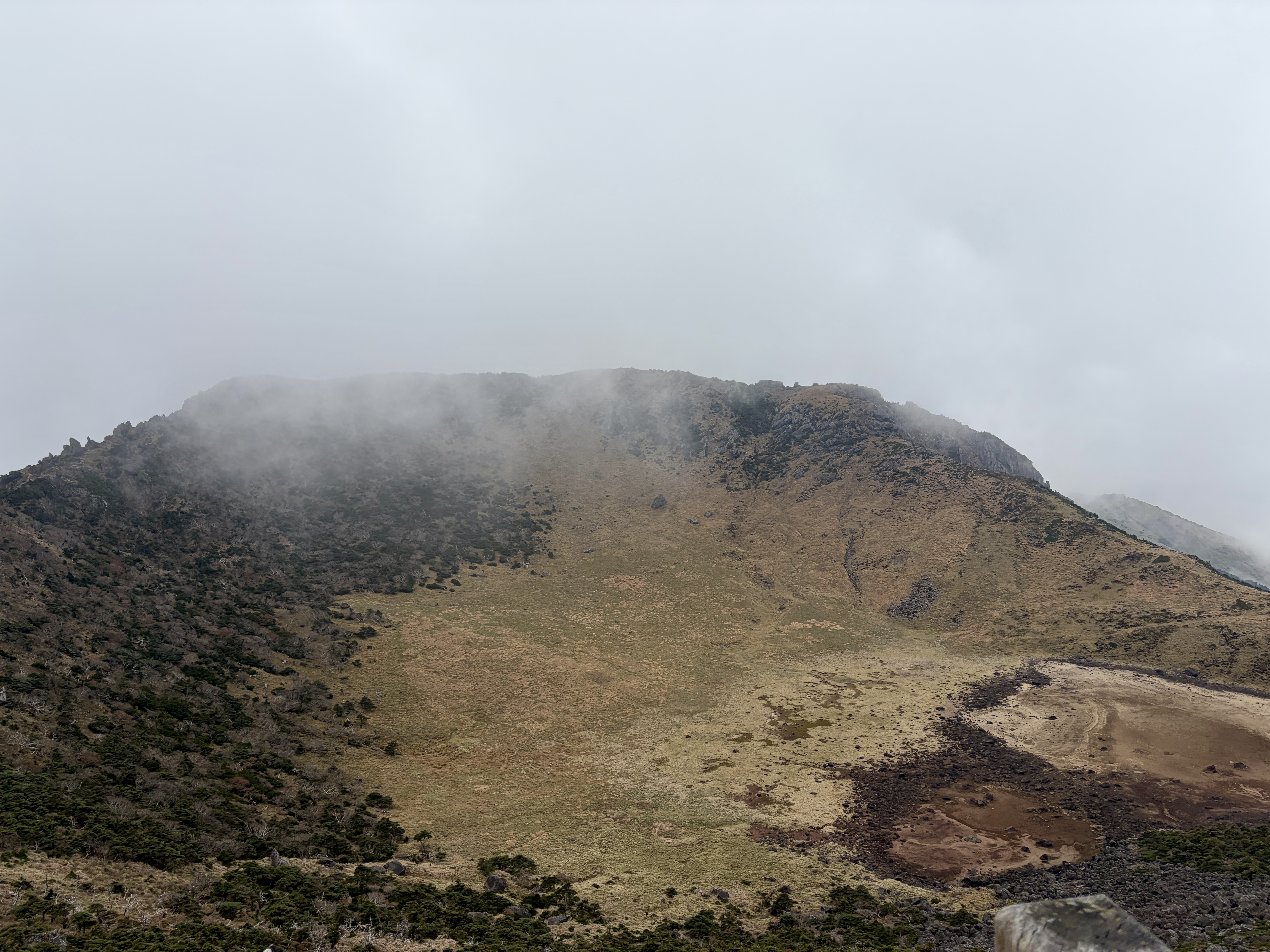
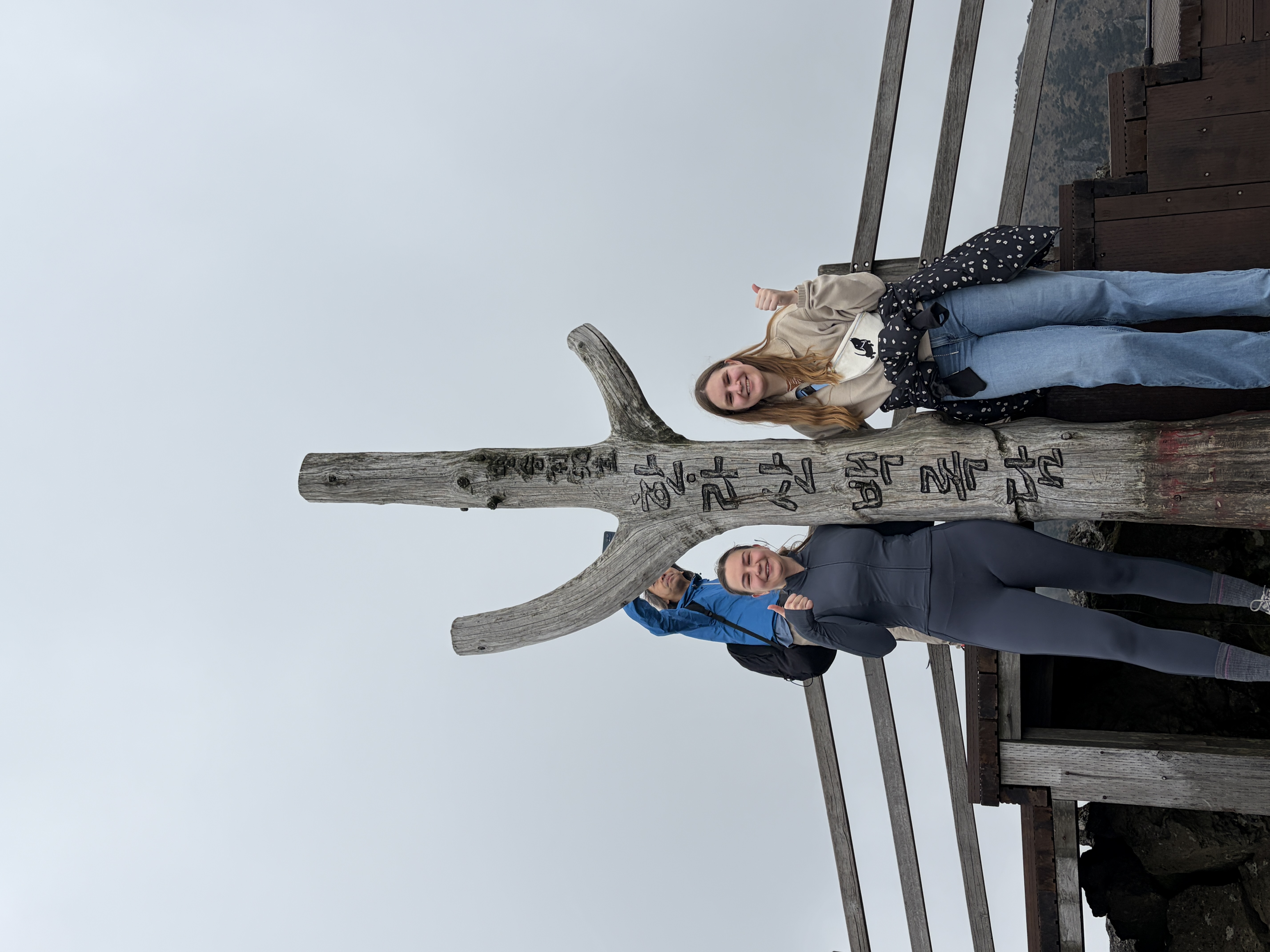
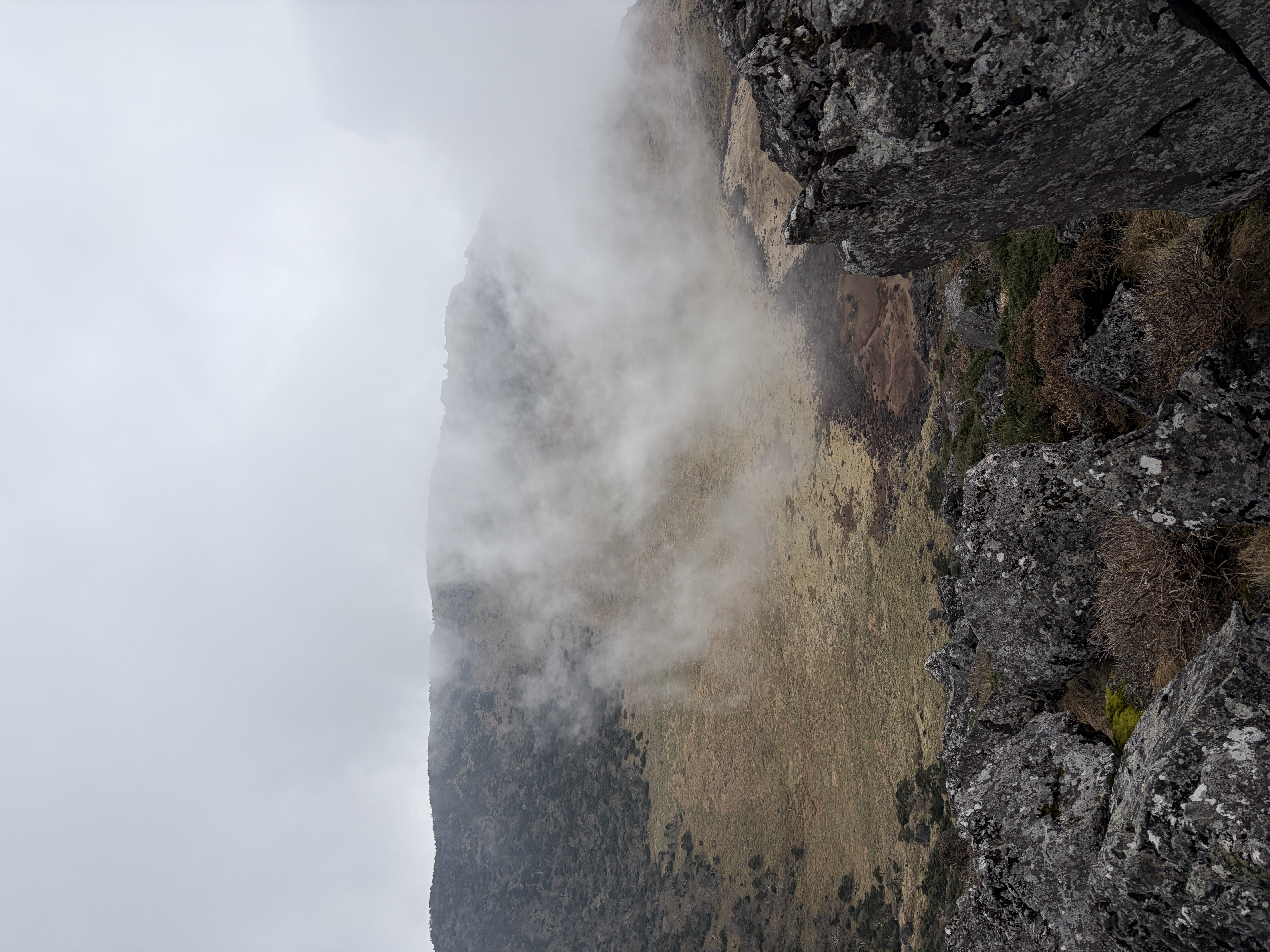
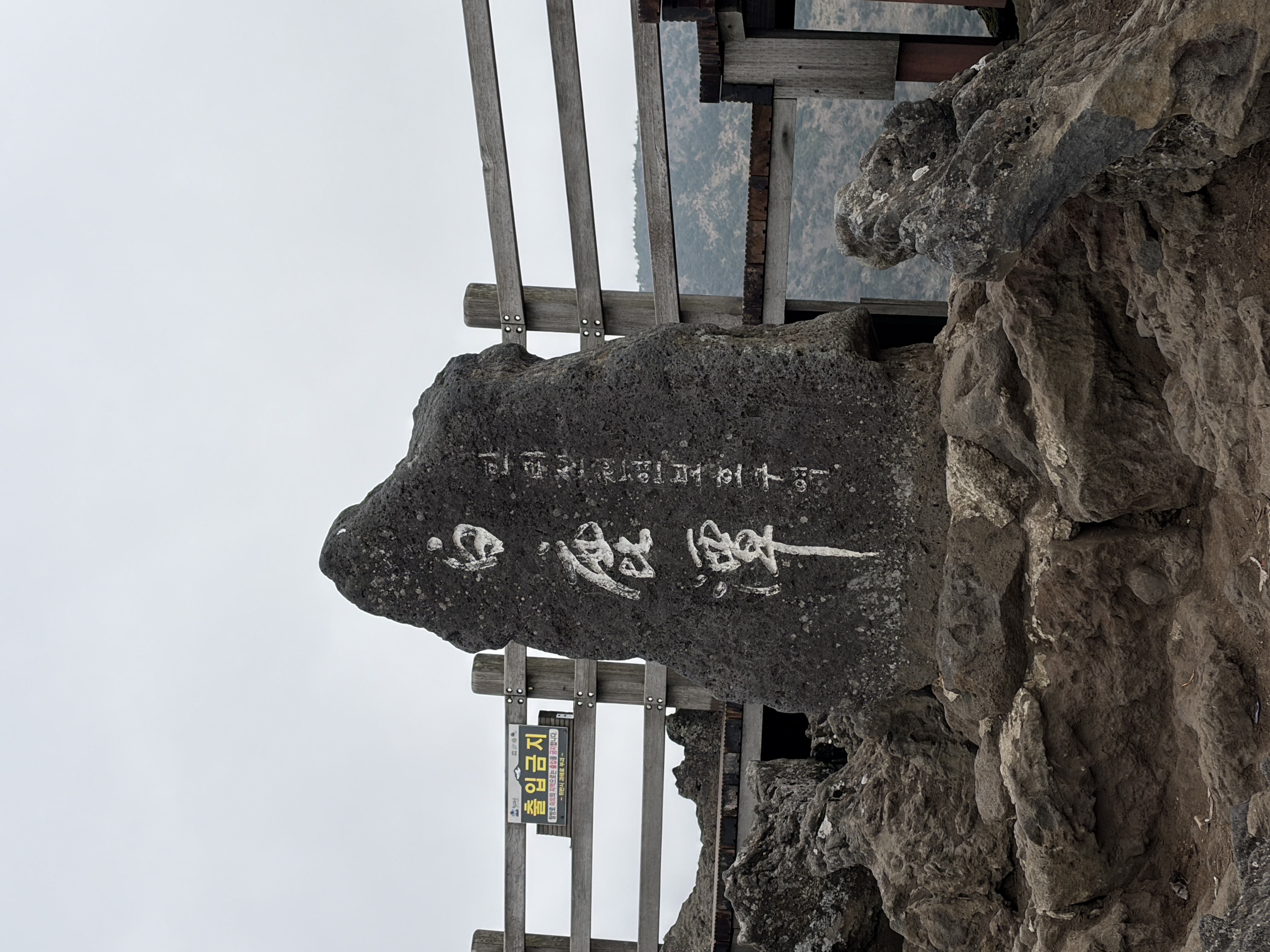
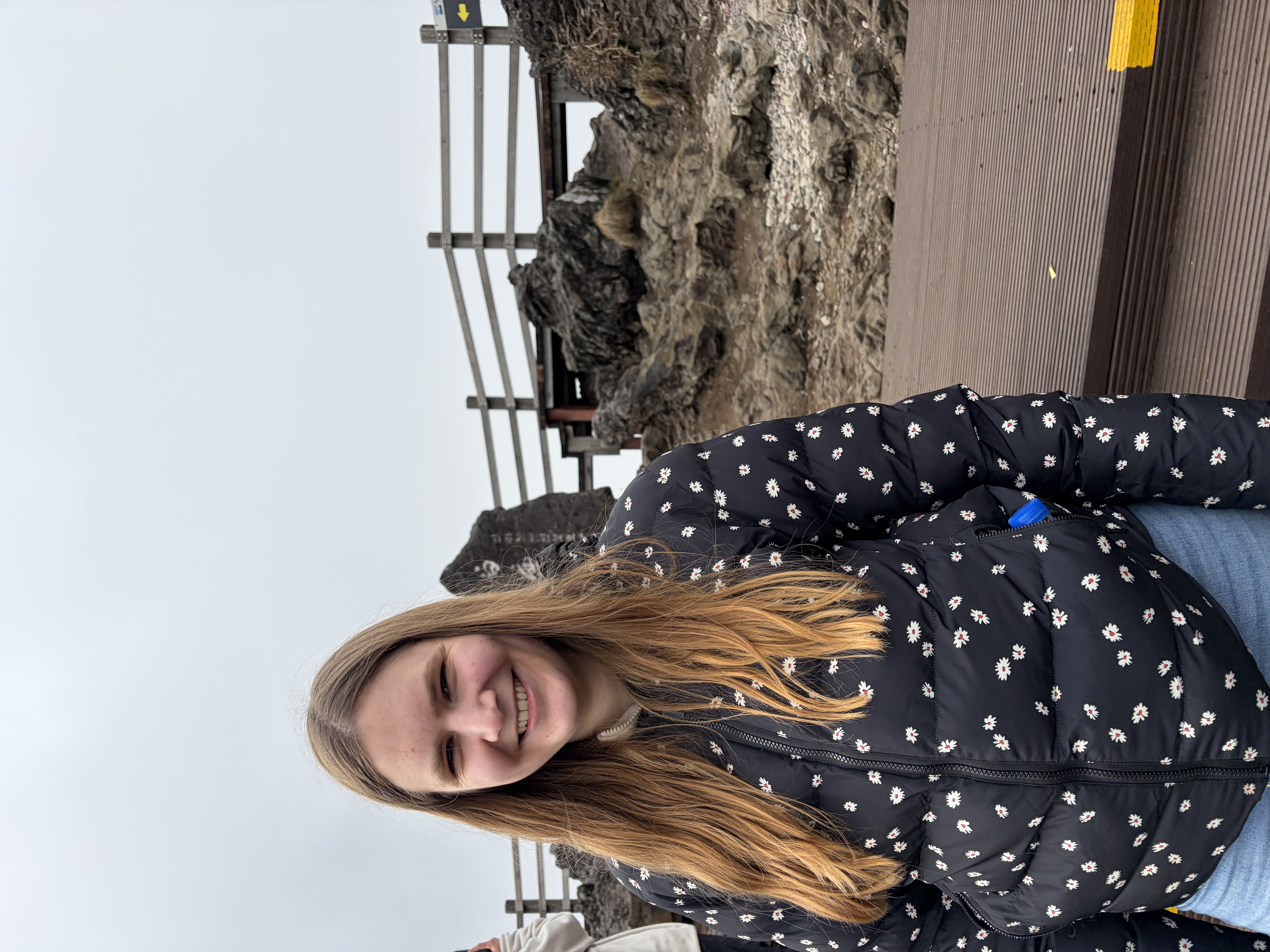
The top of the mountain
Gwaneumsa Trail
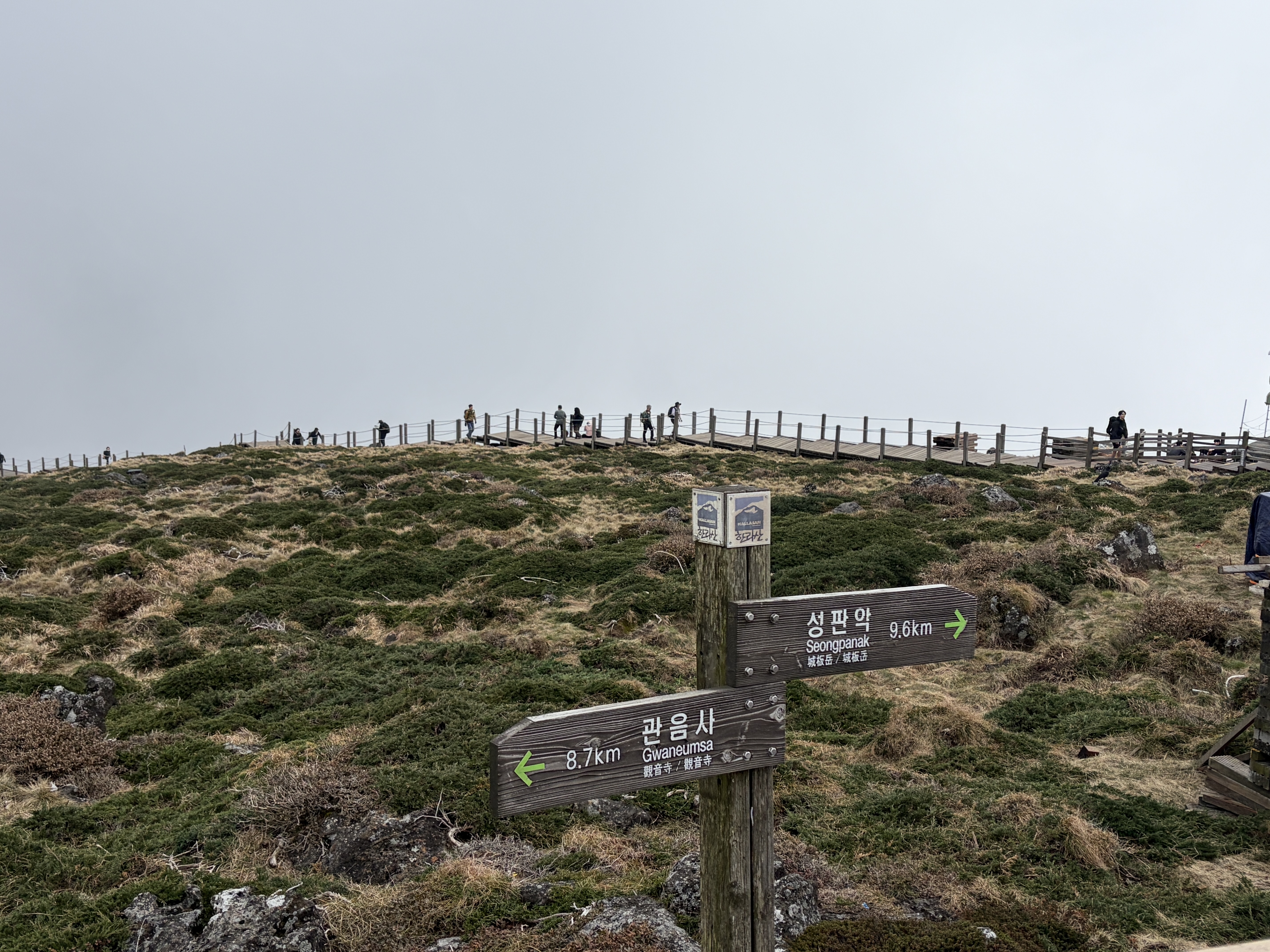
When I started to descend the first few stairs, my ankles were immediately protesting. Suddenly, I realized why people wear these hiking boots that support your ankles. Walking down so many stairs was hell. But the surroundings were really pretty, we were again surrounded by these ferns. In the beginning we saw one sign that showed us the trail. We took a picture to be able to orient ourselves a bit. And we moved on.
The first part of our Gwaneumsa trail back
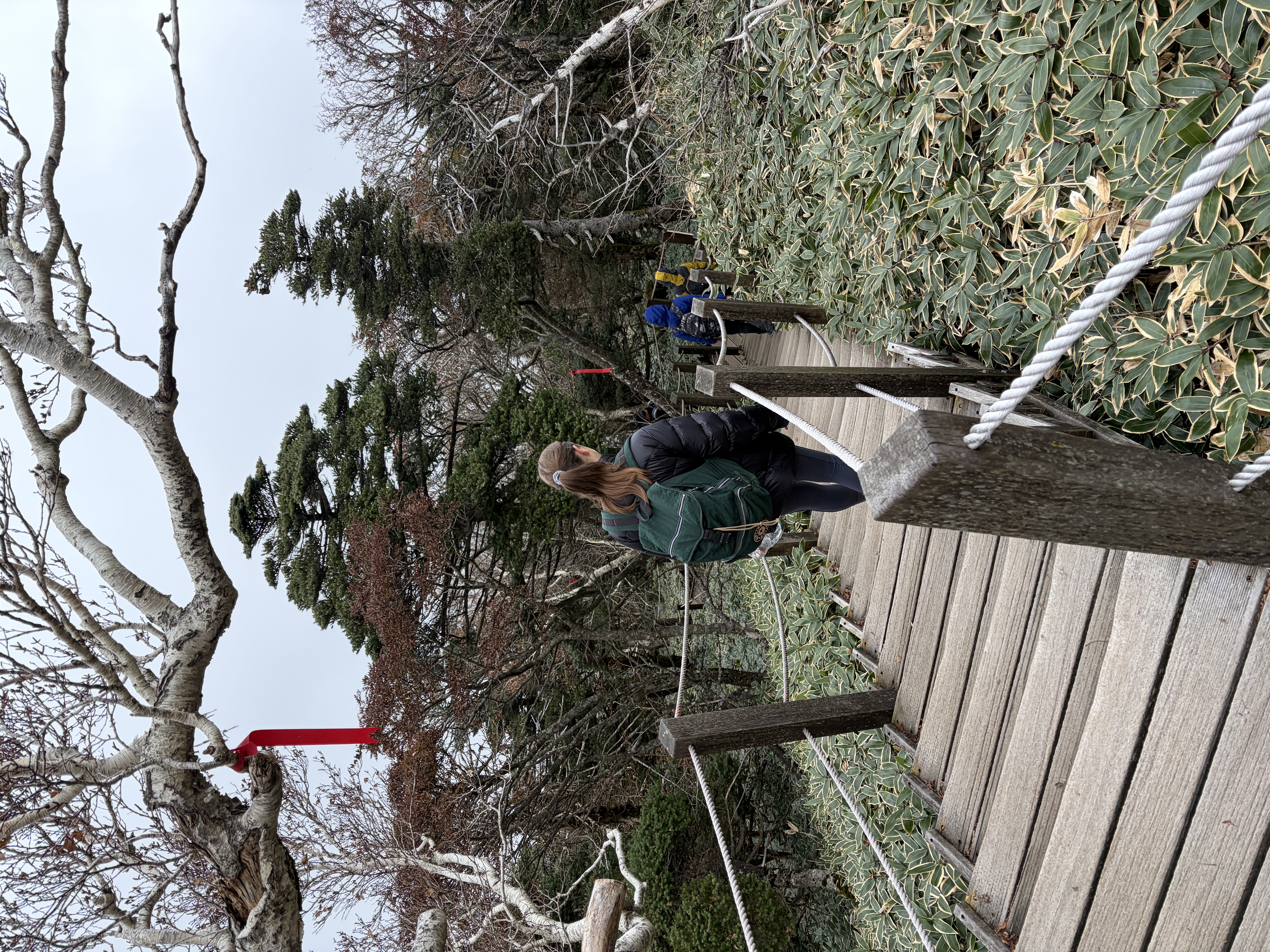
After too many stairs, we reached the first checkpoint. The view of this checkpoint was amazing, all the different mountain peaks were visible and the fall colours were stunning. It already became clear why the Gwaneumsa trail is considered the more beautiful trail. There was also a crow friend. We took a while here to rest a bit and take in the view. Finally there were no deadlines anymore, so we could take it a bit easier.
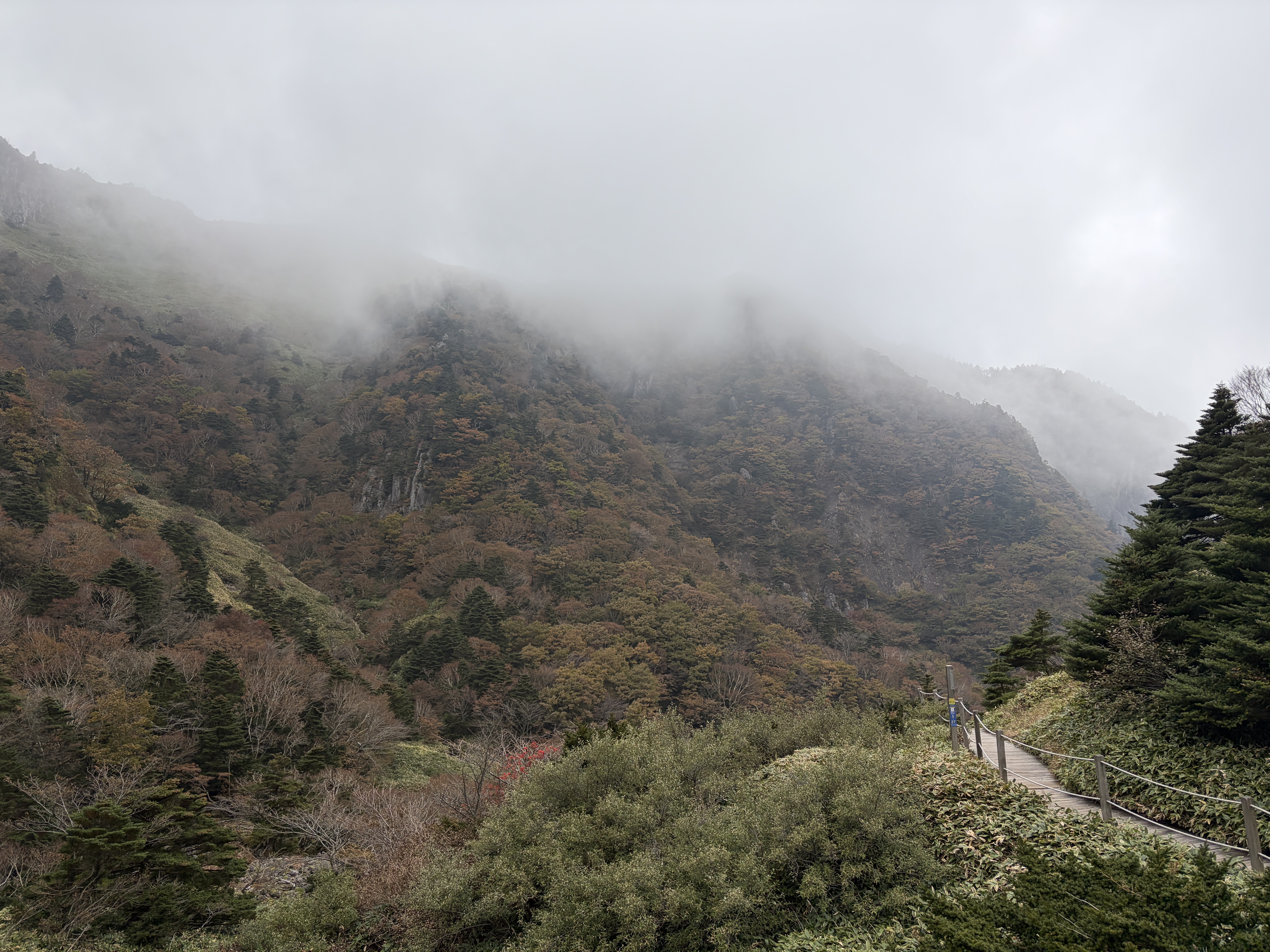
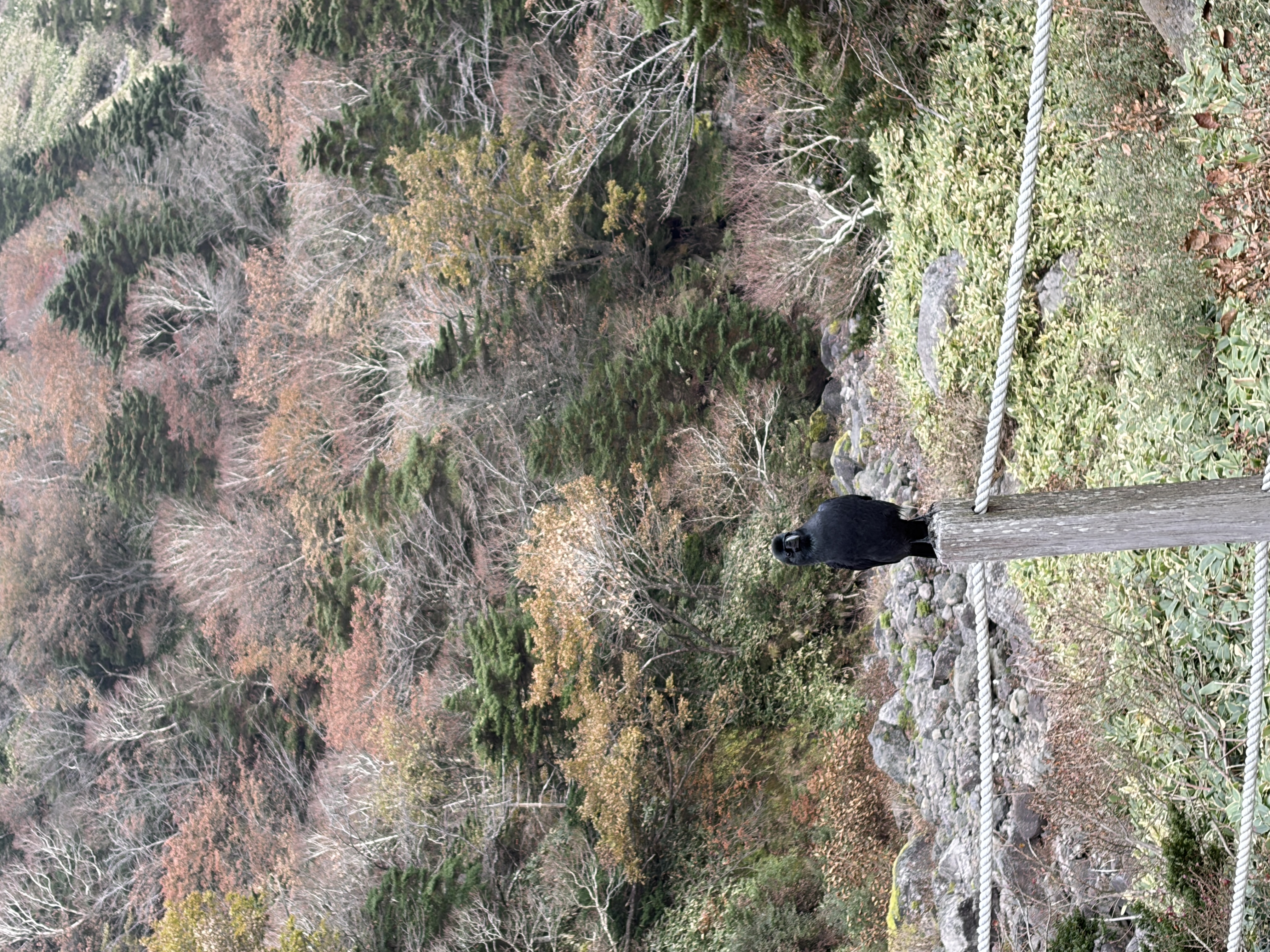
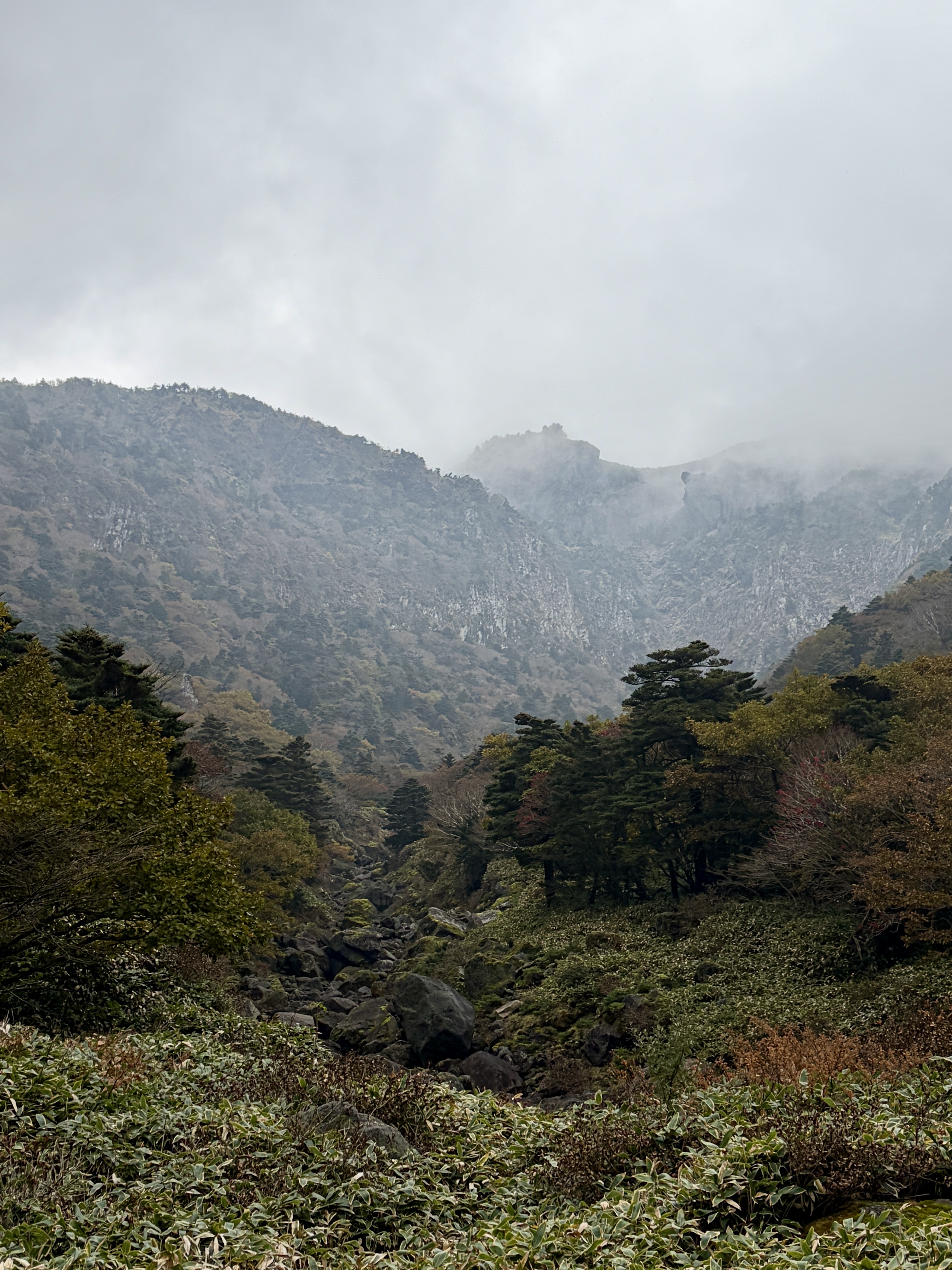
The checkpoint with the amazing view
After this checkpoint we continued on. We reached a bridge that was also surrounded by a beatiful view. However, after this bridge, we had to walk up some stairs again. Absolutely terrible. So after taking some nice pictures, and a man that wanted us to take a picture of him, we continued on.
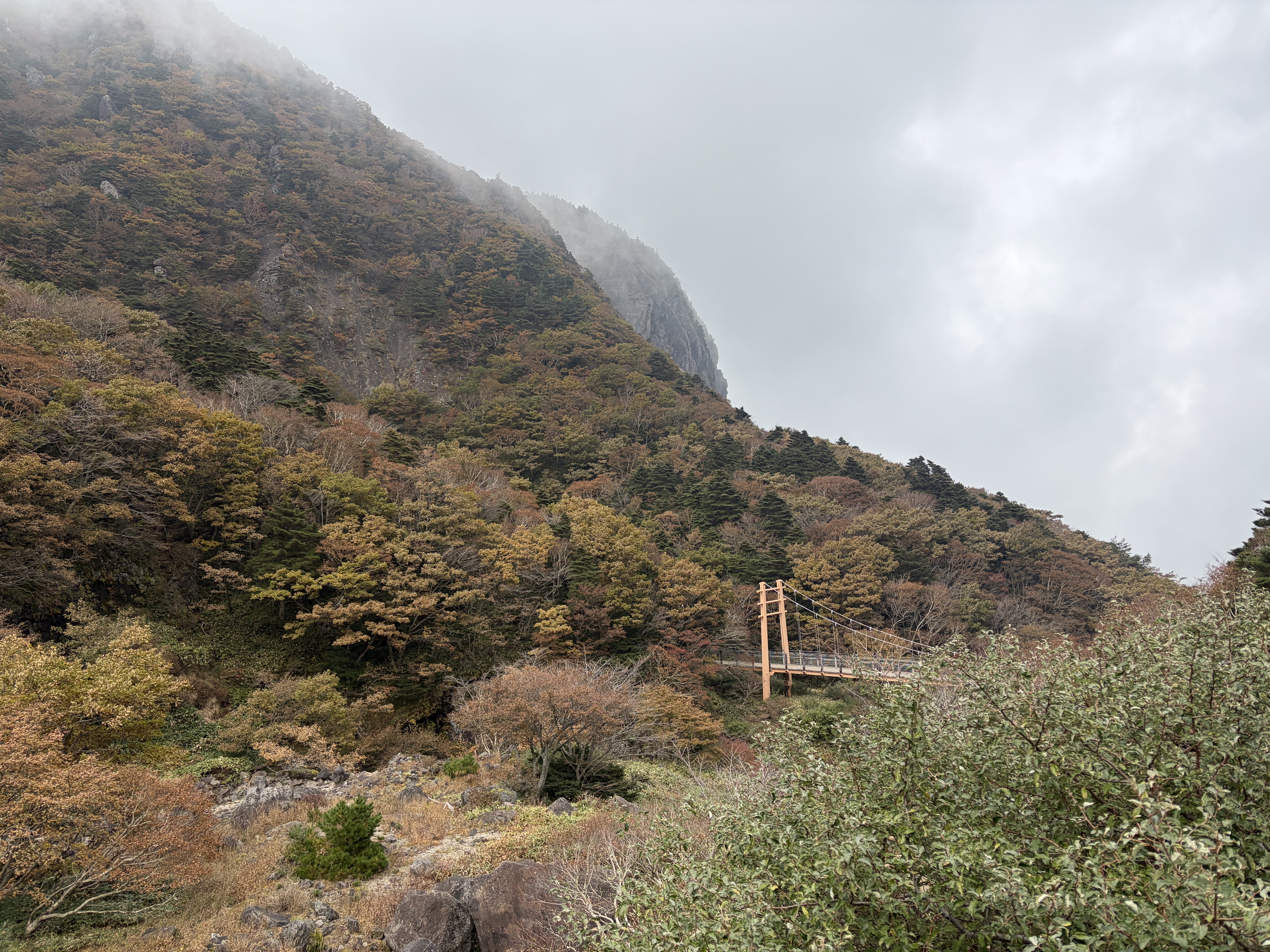
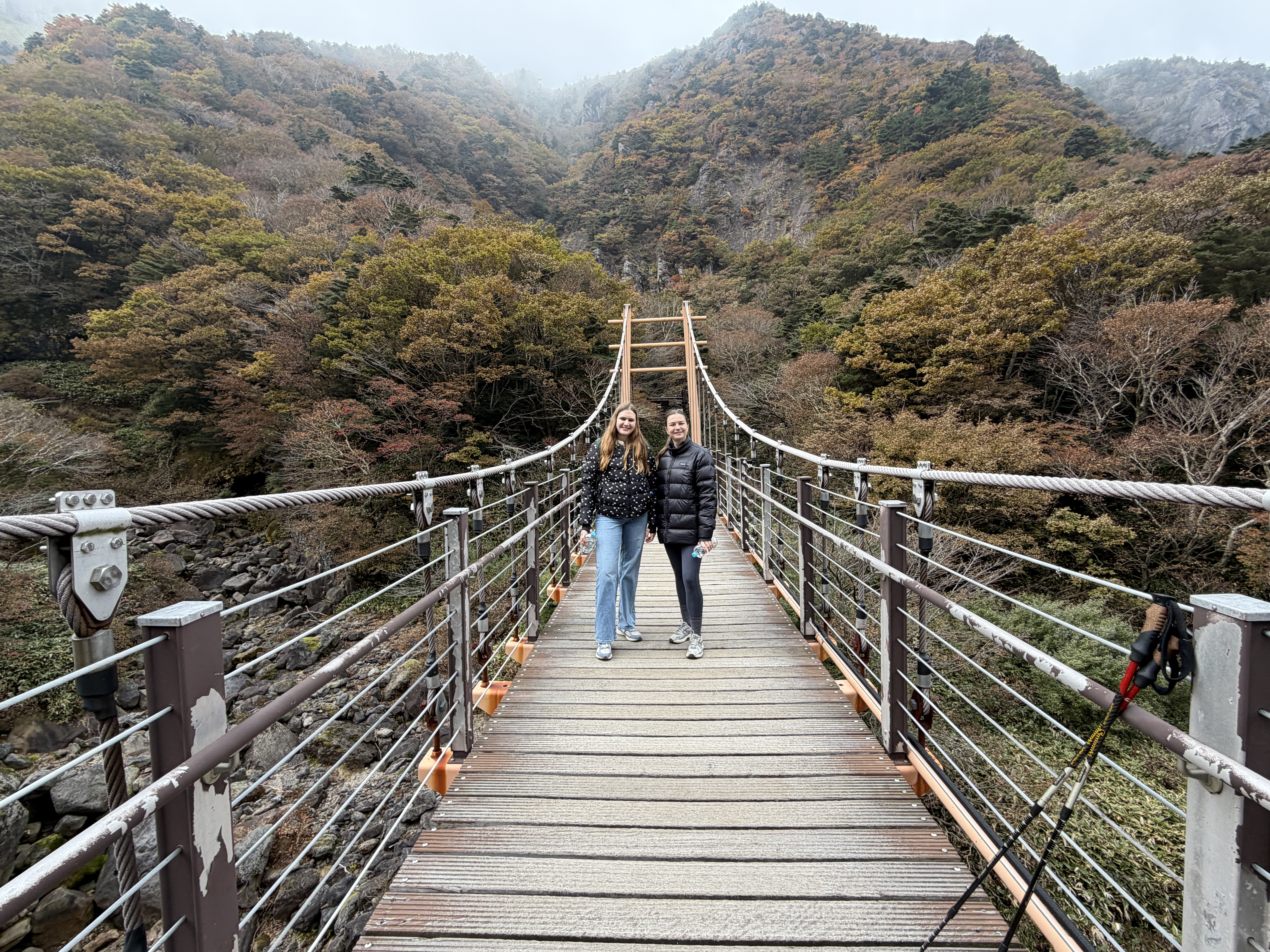
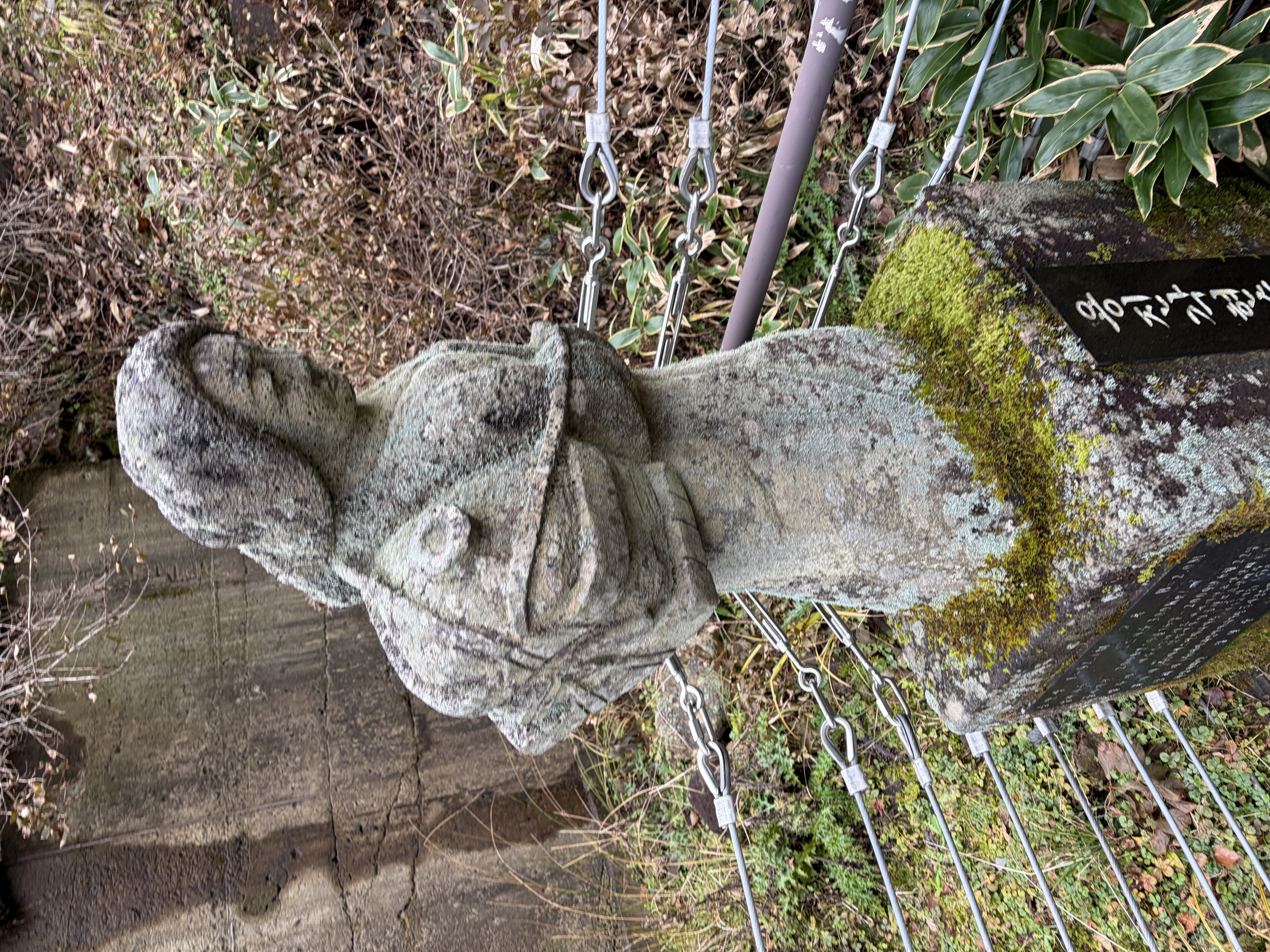
The bridge on the Gwaneumsa trail
At certain parts of the trail there were some constructions to prevent falling rocks. Just to give some context, there is this cart construction on the side of the trail. In there at some point we saw some people going down the mountain through this cart. It was like a very very underwhelming rollercoaster, also very slow. But I was just happy people did not have to carry the construction all the way up the mountain.
Anyway, the rest of our trip down to the mountain was absolute terrible. Physically, visually everything was still pretty. But we were so tired, and a lot of the trail was very rocky, so I was very scared for falling. This made the whole progress very slow. There were also not many signs showing our progress. And the sad part was, every time we did see a sign, we were always super disappointed because we thought we were much further than we actually were. This was opposite from our experience the way up. There were also some other betrayels, like so many stairs that we had to climb up again.
The only positive thing about our way down is that even in the foresty part of the trail, the Gwaneumsa trail still is so much prettier than the Seongpanak trail. There is this stream that rungs along the trail, creating pretty falls and pools. The whole trail is very green and lush. If we would have switched the order of the trail, then going down the Seongpanak trail would just be a more boring version. Then you are tired and unimpressed. So overall, I would recommend our trail order. An additional fun thing is that there were a lot of information boards about the nature and the wildlife, which was fun! One board talked about boars that lived here, which can actually be dangerous. At some point we heard really weird noises, and we think we actually might have heard a boar closeby. So we were a little bit scared, but it sounded like he was on the other side of the stream. In the end we did not see him. After 9.5 hours, we finally reached the Gwaneumsa parking place, where our parents were waiting for us in the car. The parking lot was already almost deserted. We were probably one of the last people to leave the mountain. It also already started to get dark. We got in the car, tired, and we drove to the east of the island, where our next hotel was located.
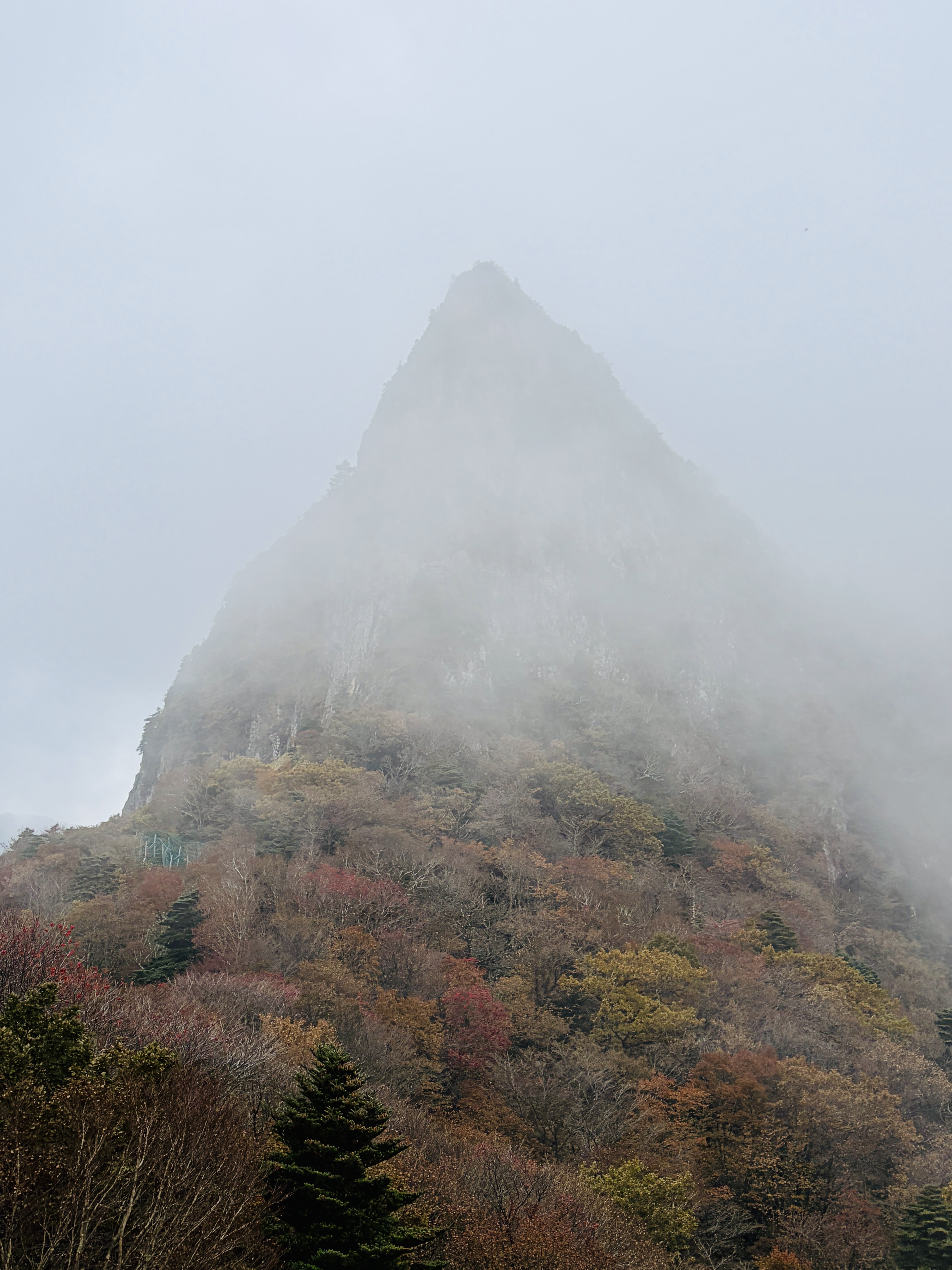
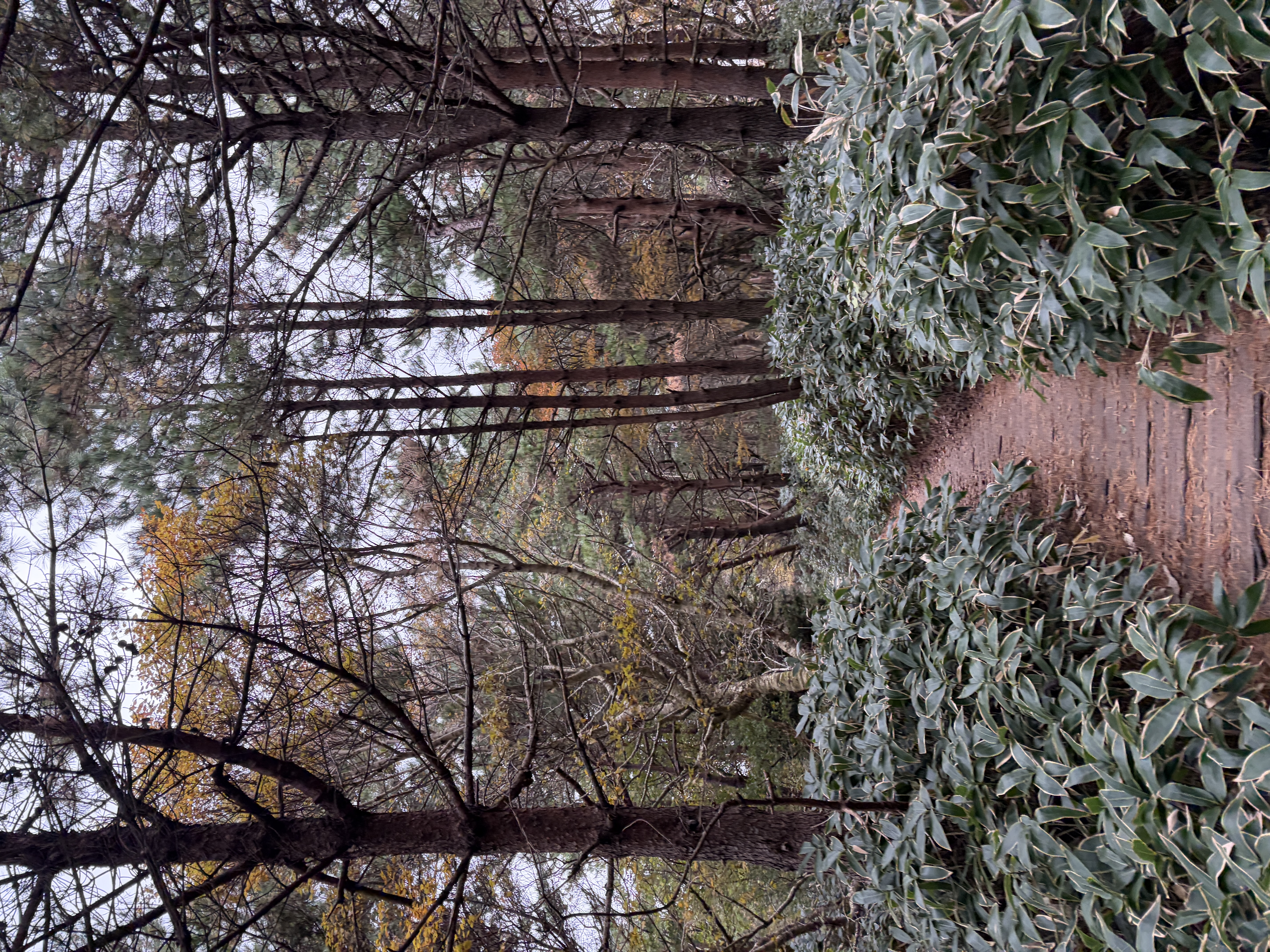
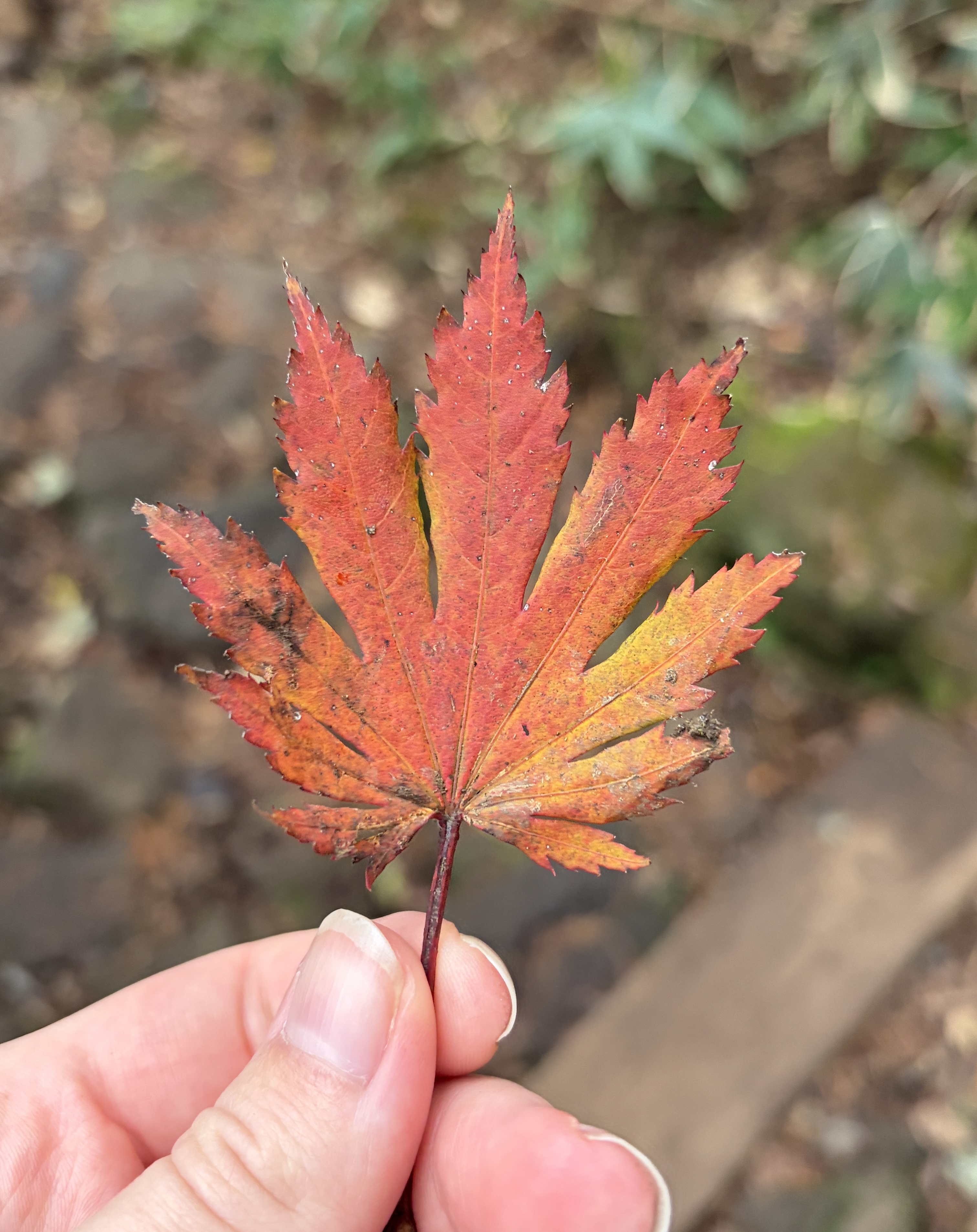
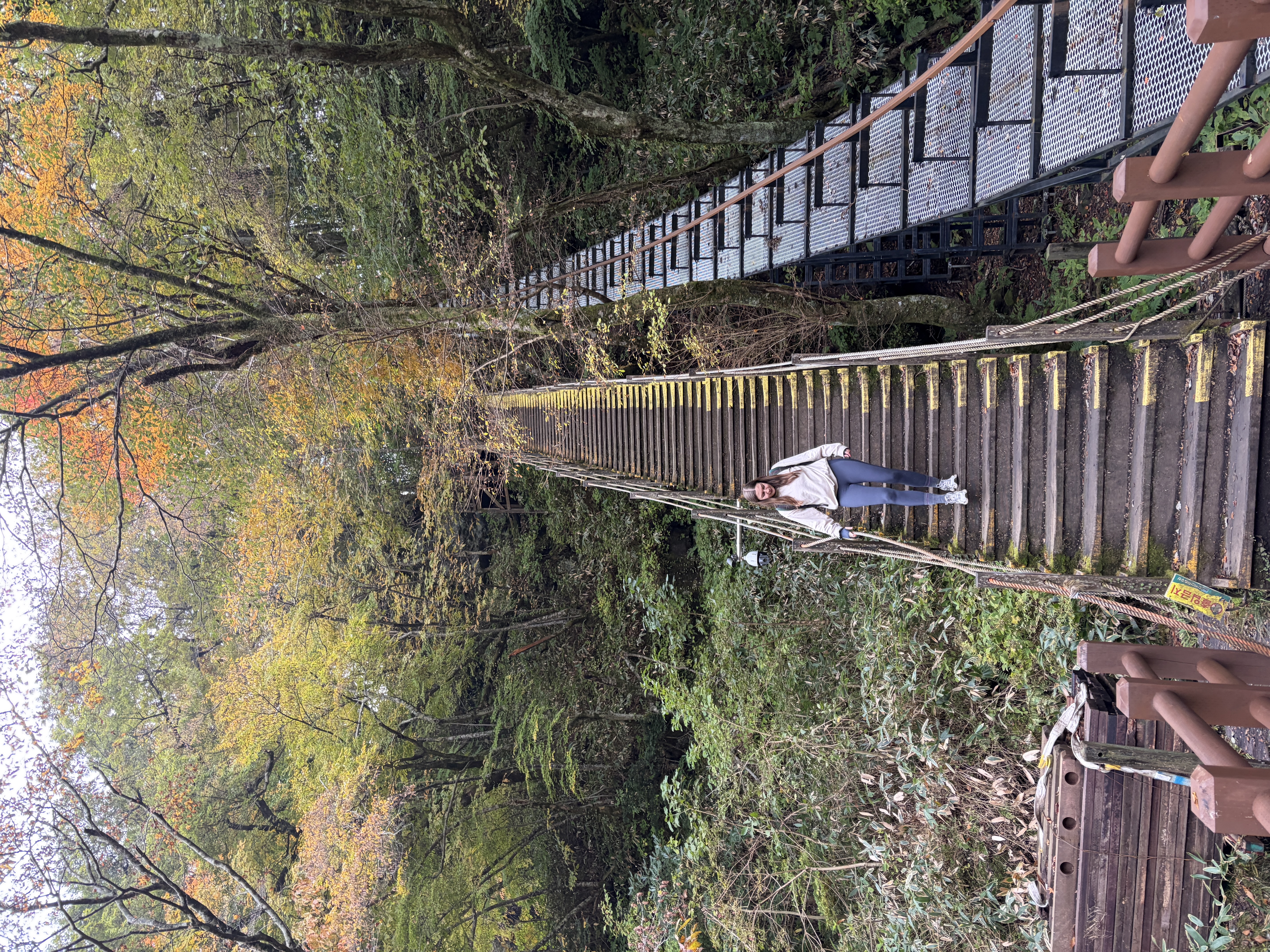
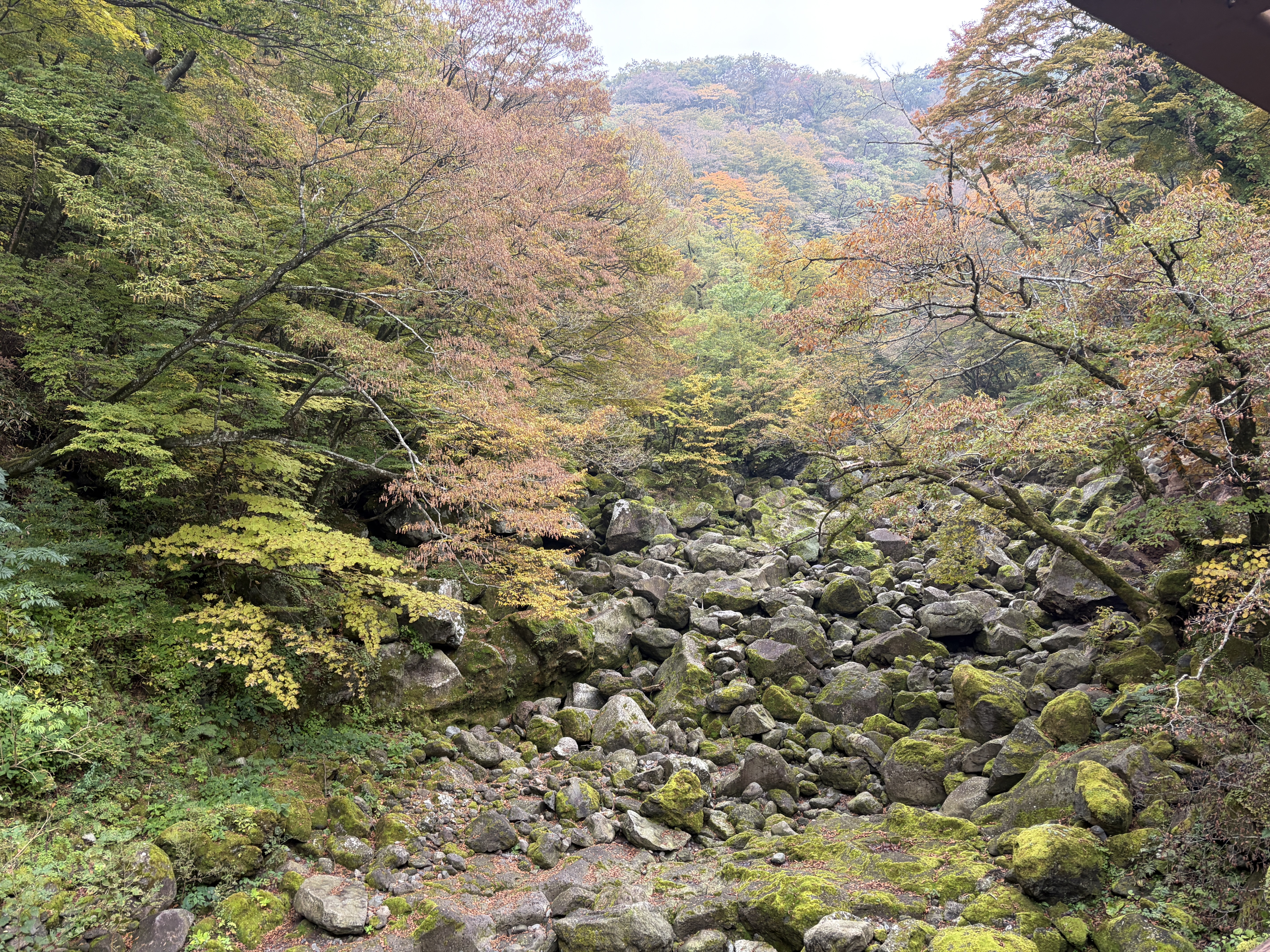
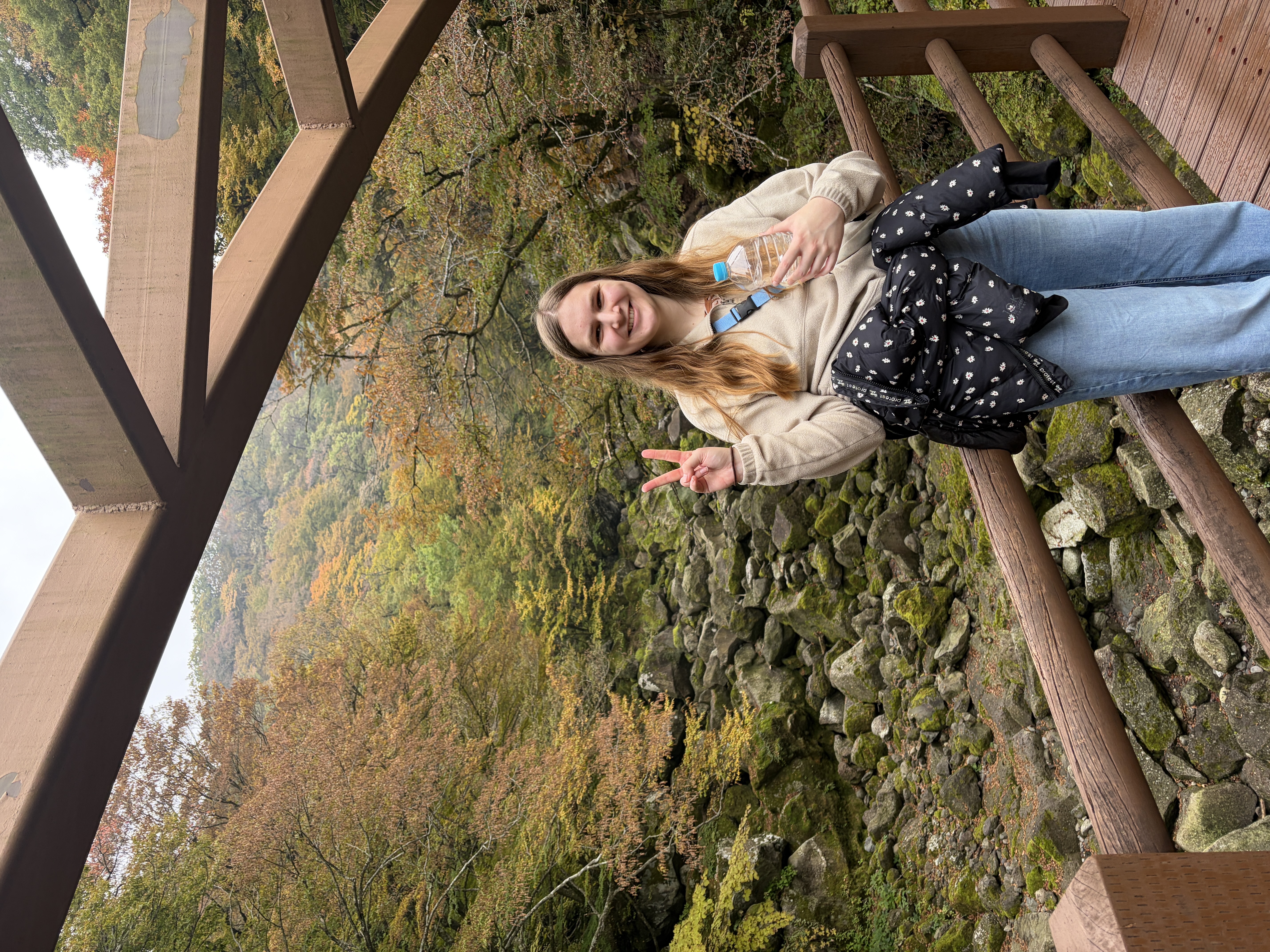
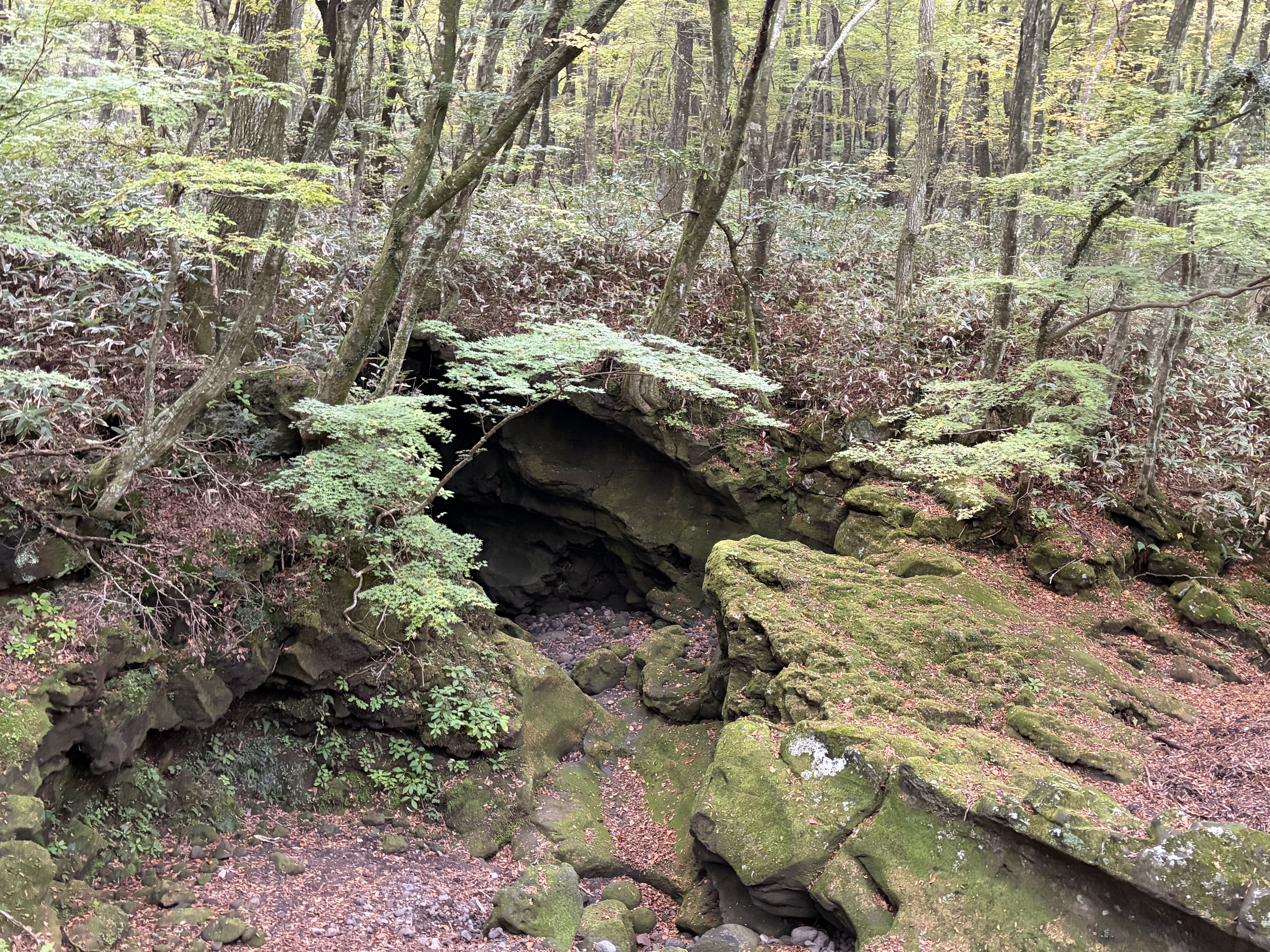
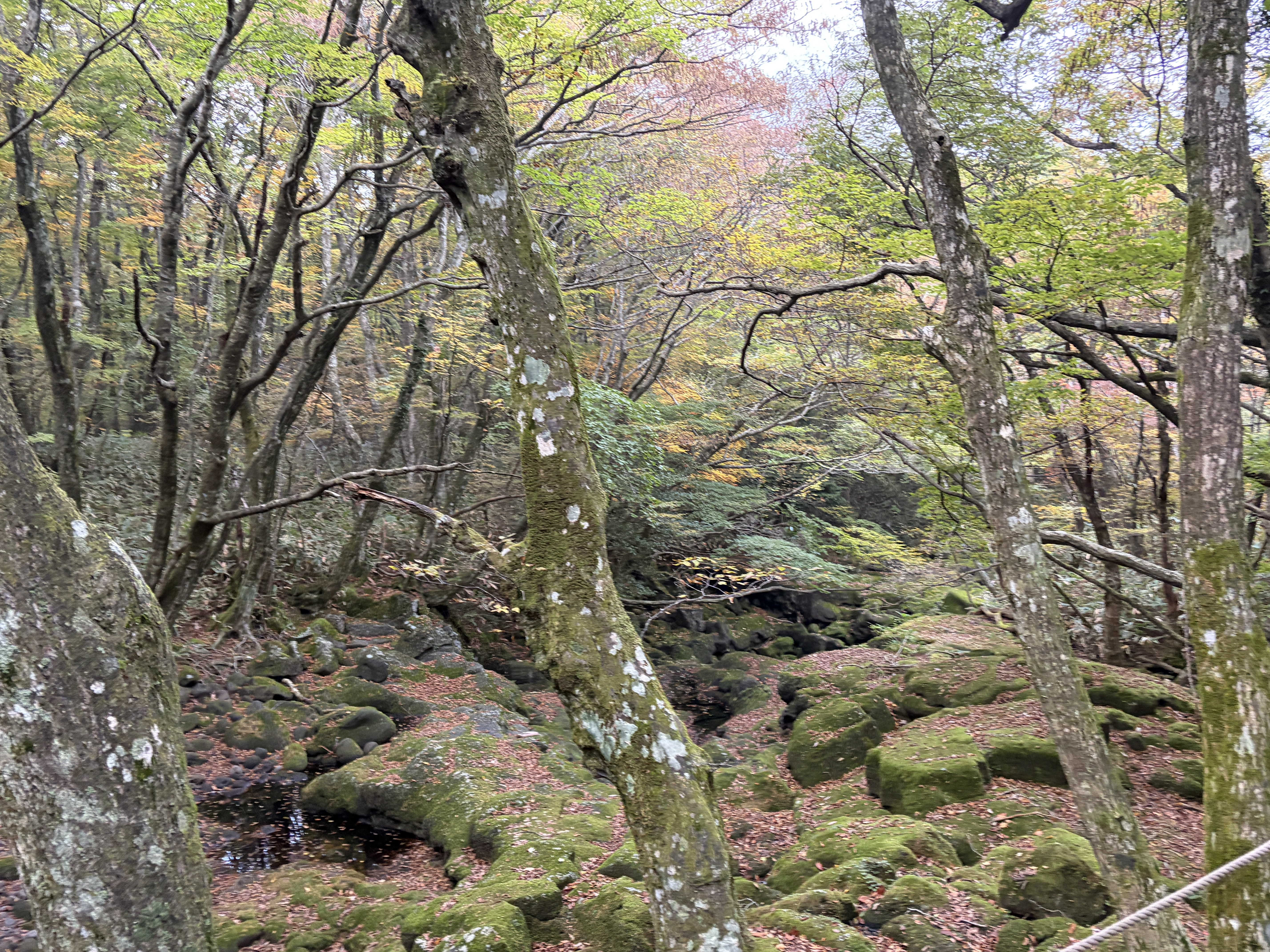
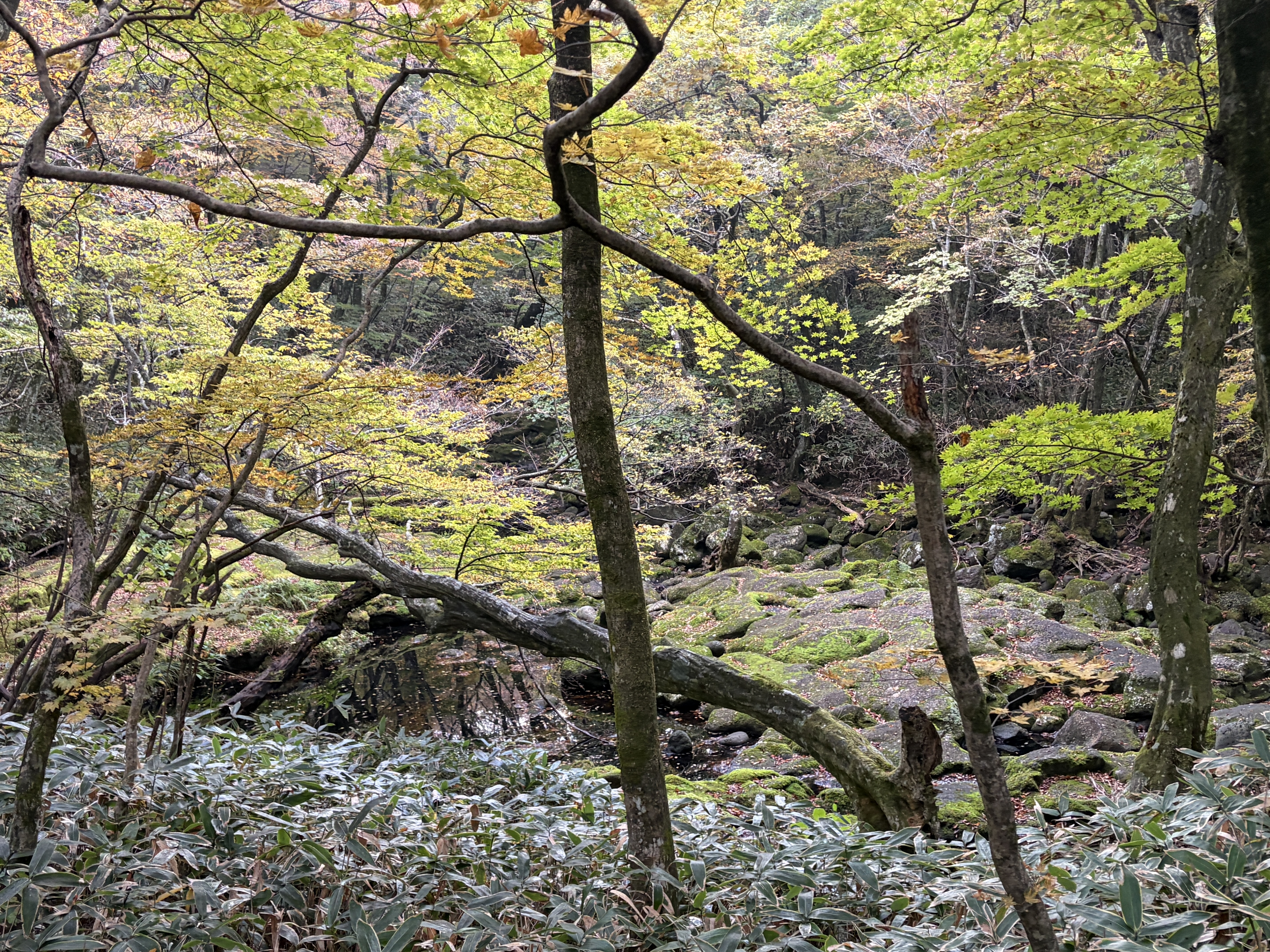
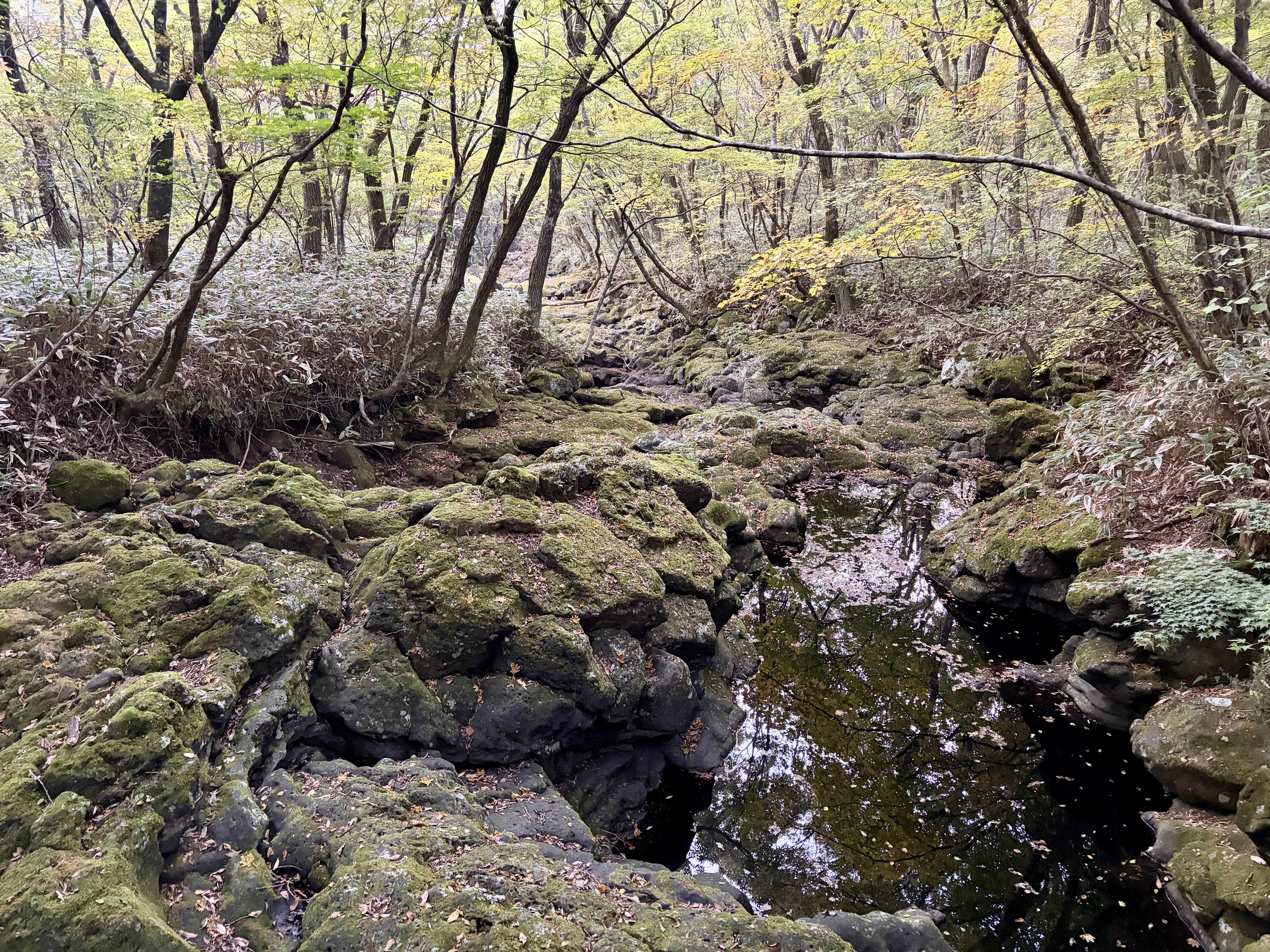
The beautiful second part of the Gwaneumsa trail
Finding a place to eat also turned out to be difficult. We were on the east side of the island, which is kind of the middle of nowhere. Especially since we are off season. So almost all restaurants were already closed, because we tried to find a place after 19:00. There was only one restaurant we could find that was still open. So we ate fish that day, since it happened to be a seafood restaurant. The people in the restaurant were really nice.
Day 8: Haenyeo Women
The next day we woke up with a stunning view on the sea. Which was the only good thing about our hotel, you can read our review at the end of this document. One of the issues is that you apparently have to reserve breakfast beforehand. We did not do that, since we arrived so late the day before. Thus, we could get no breakfast at the hotel, so we had to go out somewhere to eat. We went to a nice small cafe in a cute neighborhood, which my parents really loved. Below you can also read our review on that cafe! This cafe was closely located to the haenyeo museum, which was our next destination.
Haenyeo Museum
First of all, this museum is insanely cheap. It is less than one euro entry fee. And the museum is really interesting and in my opinion essential cultural knowledge for Jeju island. So what are Haenyeo women? Haenyeo are female divers that dive into the sea to catch fish and other seafood. They have been doing this for centuries, and it is a very important part of the culture and history of Jeju island. Centuries ago, the gear they used was very basic, so the job was very dangerous, and these women are really skilled and brave. This museum was started to preserve their legacy and showcase their culture.
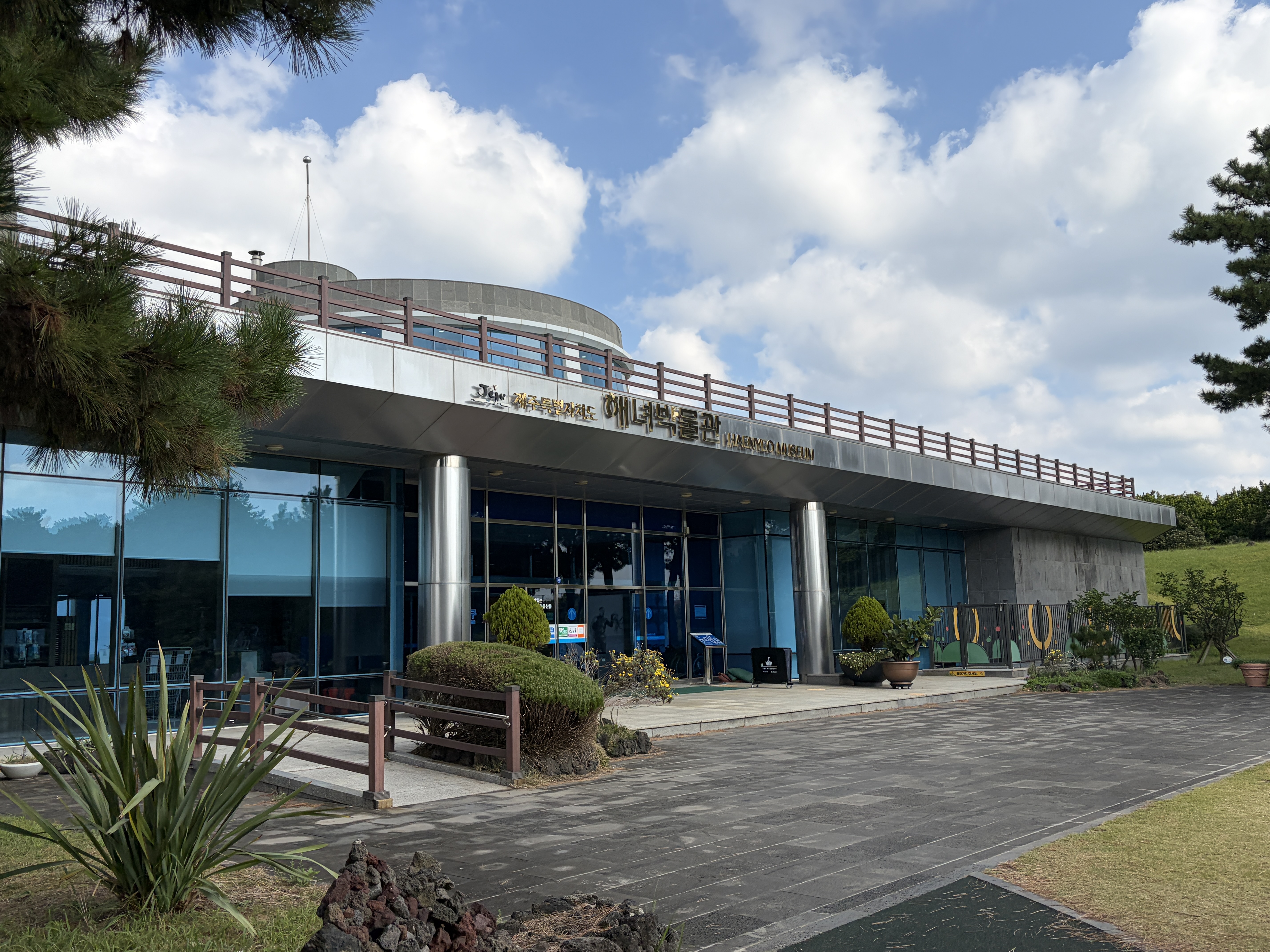
The Haenyeo Museum, a must visit when you are on Jeju island
The first part of the museum shows their traditional houses, the househould tools they used, and their everyday clothing. The houses were small and simple, as you can see in the pictures. The women used garot clothing, which is a form of hanbok. The colours of the clothes were brown like the colour of Jeju earth, since it would not look as dirty. Additionally, it is easy to clean and it resists decay and odors when wet, which is essential. The tools they used is often made from straw and wild grass. The items they used are often very practical. One example of one object they made is the Aegigudeok. This is a bed-shaped cradle made of bamboo. They carried there babies from 3 days old until 3 years old. Another item is the charong, which is a basket used for storing rice and rice cakes. Rice in charong would not easily spoil.
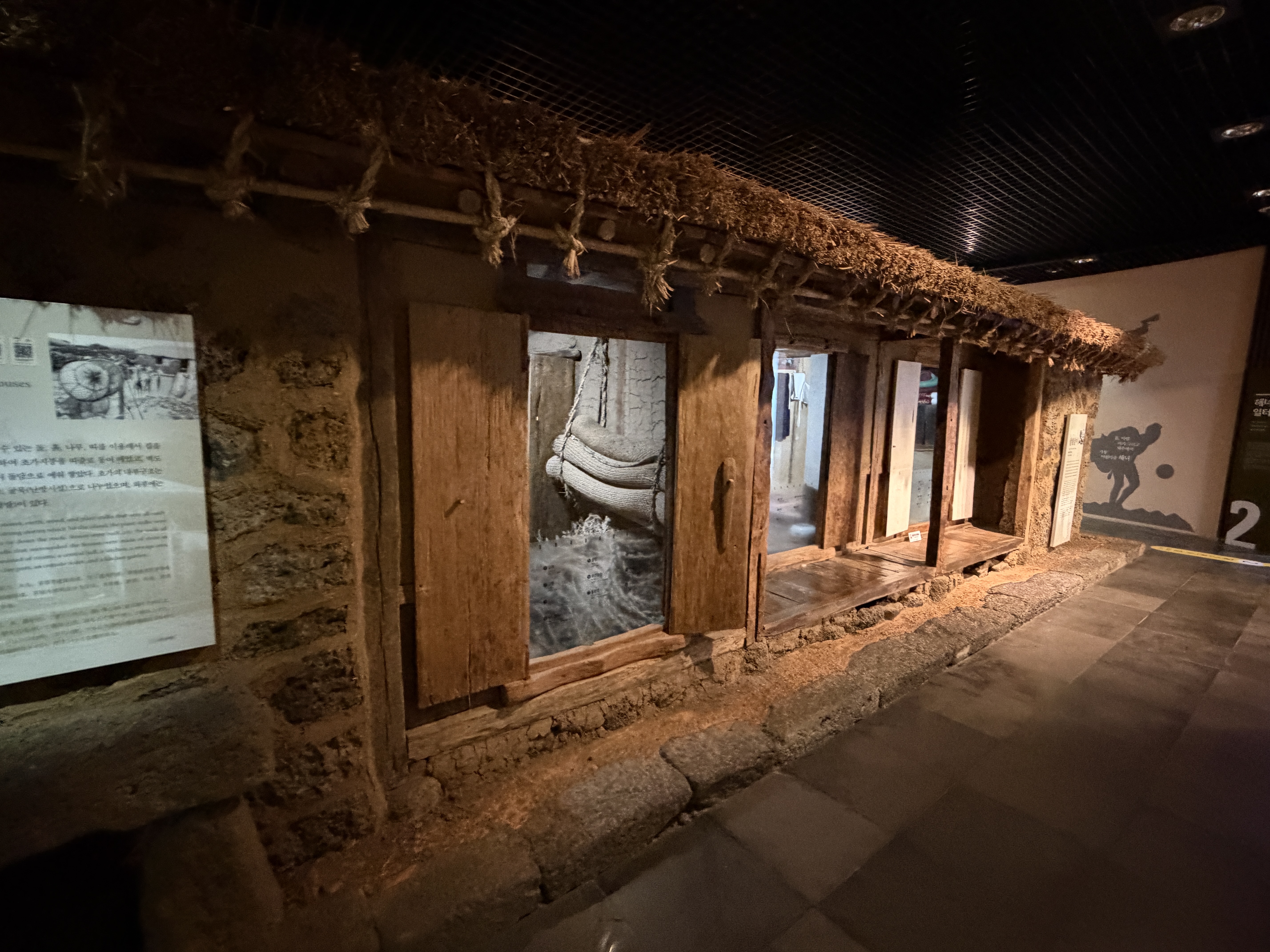
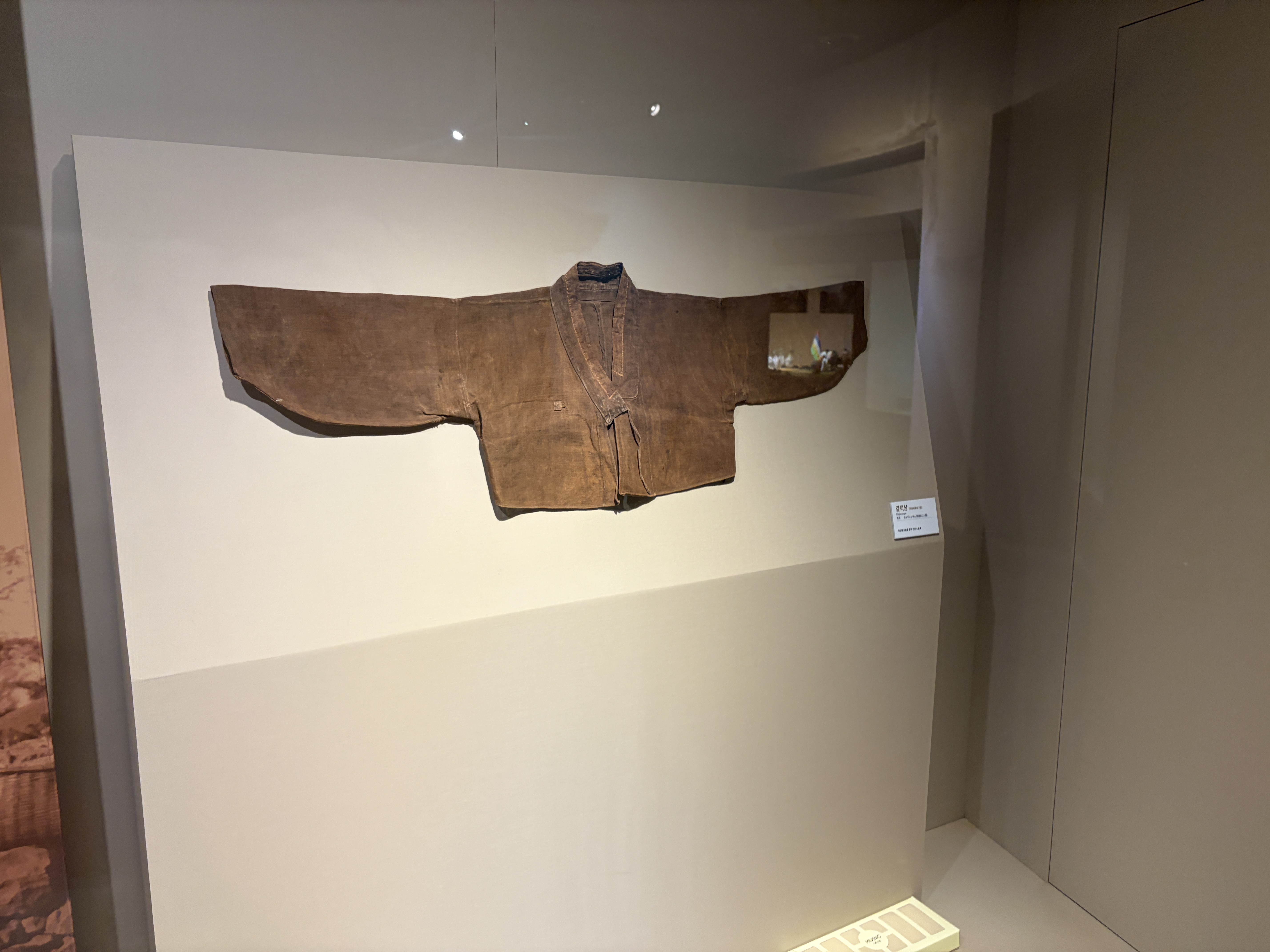
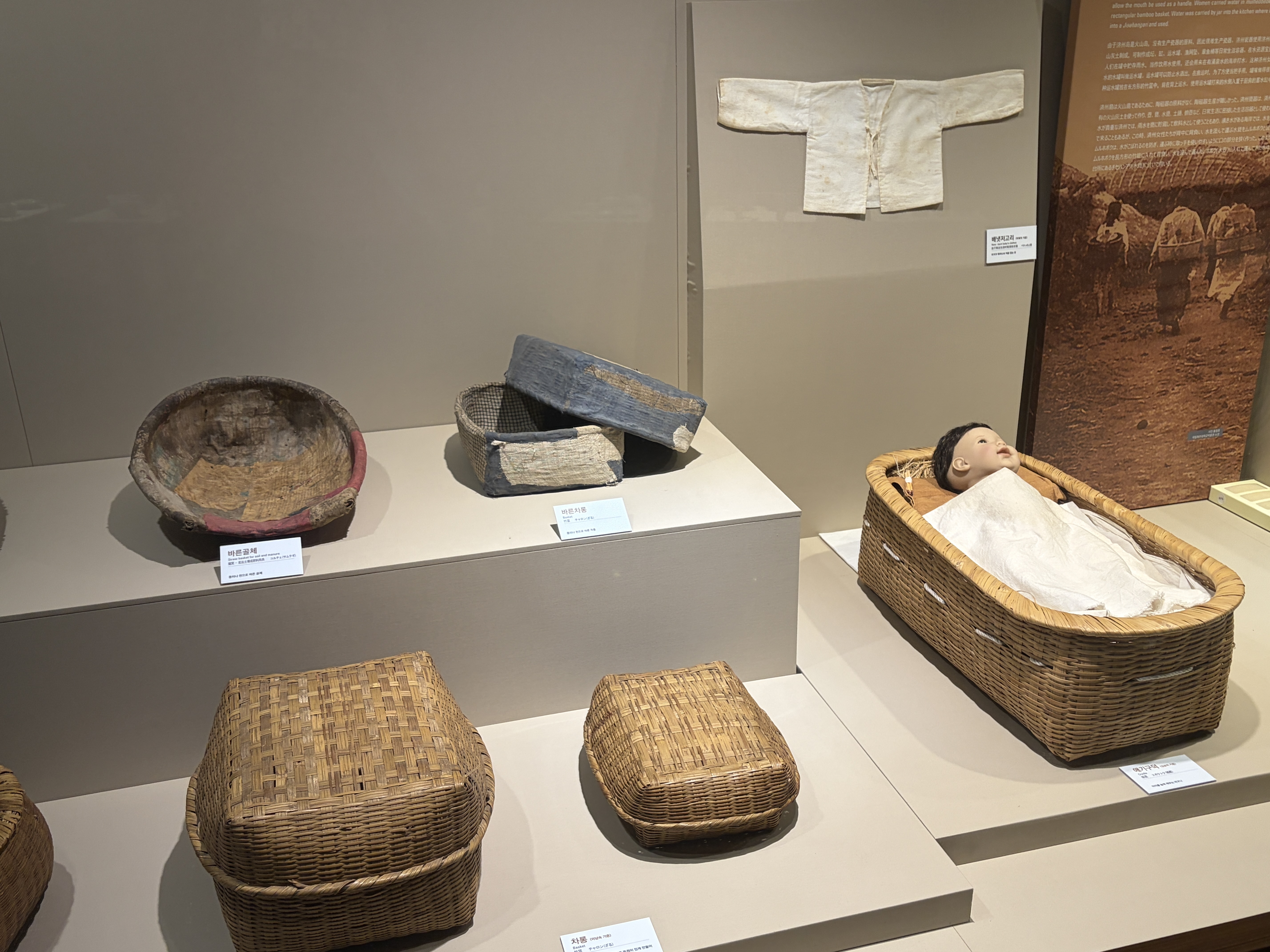
Traditional house
The next part of the museum focuses on how dangerous their work is, and the rituals that they created around their work. An old haenyeo saying goes: “Earn from Heaven, spend on Earth”. This saying reflects the fact that their work is very dangerous. The haenyeo depend on the dragon god, who controls the sea. Thus, they often visit Haesindang Shrine, to hold rituals to pray for safety and abundant harvest. In the second month of the lunar calendar, the haenyeo hold Yeongdeunggut, a rite to honor Yeongdeung God. They believe this god provides safety and abundant fish, and they believe the god visits the island on the first day of the second lunar month. The god leaves the island on the 15th through the smaller island Udo, next to Jeju island.
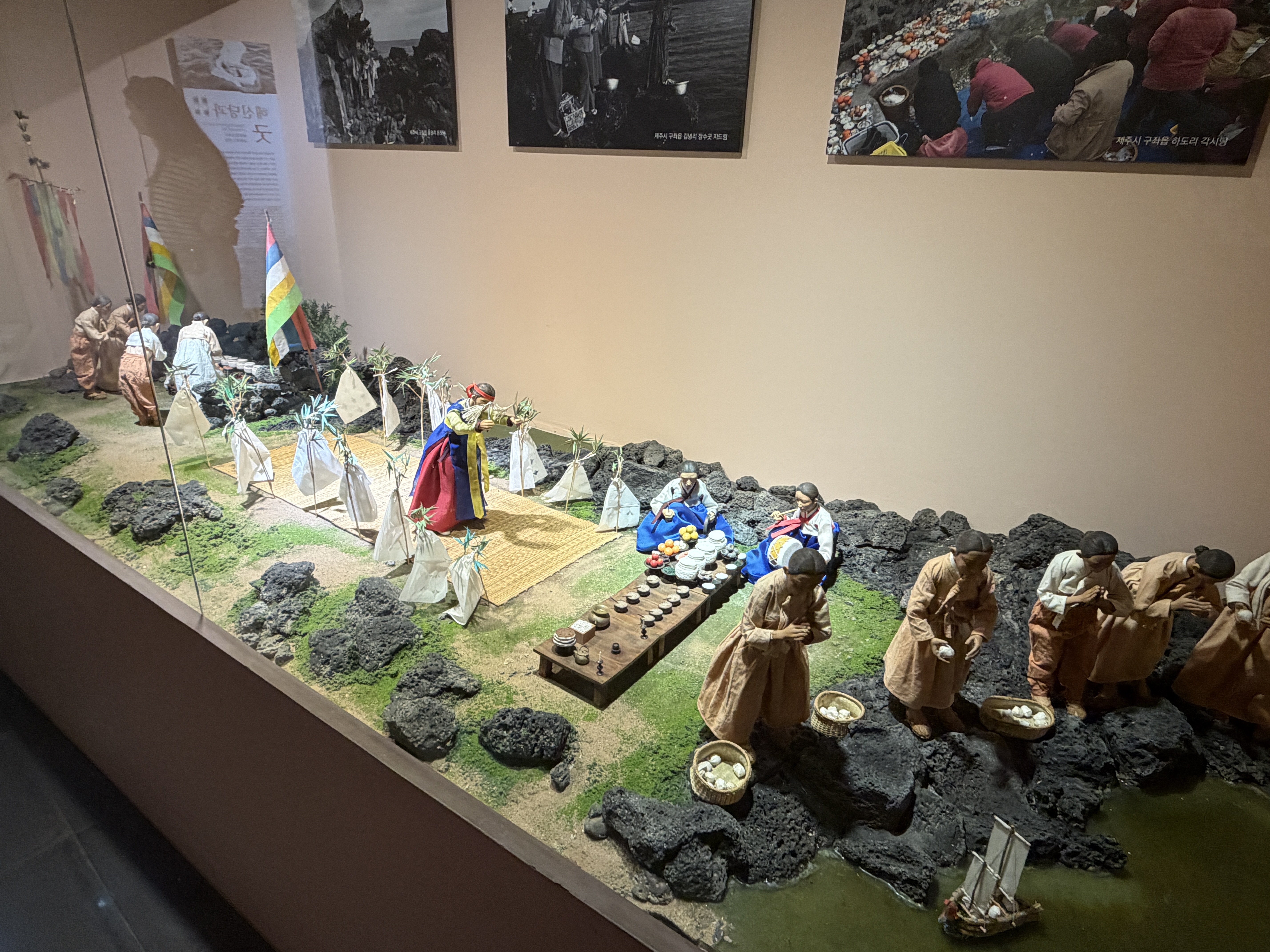
Display of one of their rituals.
Next, we moved to the second story of the museum. The first section on the second floor shows a replica of a bulteok, which is a circle of stones on the coast that the haenyeo used to rest and gather around. The second story also shows their diving clothes, which is still quite basic. Additionally, it shows their equipment, the most eye-catching one being their diving nets and buoy, but they also use tools to scrape off sea food from the rocks. The rest of the second story shows some signs with information and pictures. There is a sign that explained sumbisori, which is the whistling sound the women make when they surface. The hoowi-hoowi sound comes from the divers inhaling oxygen and exhaling carbon dioxide built up from submersion in the sea for 1-2 minutes. Sumbisori provides fresh air to Haenyeo adn enables them to work extended periods of time with only short rest periods necessary. A second sign describes Muljil skill. This is acquired by lengthy training and expereince. Haenyeo near the ocean learned how to swim and dive in shallow sea at the age of 8 and became baby haenyeo at age 15. Physical conditions such as lung capacity, ability to withstand pressure, and capacity to adjust to cold water are needed. Cool nerves are also necessary shen swimming near and encountering big fish. Jeju haenyeo ahve extened their skill and wisdom, by learning the effective use of physical strenght and knowledge of the ocean from the seniors at the bulteok.
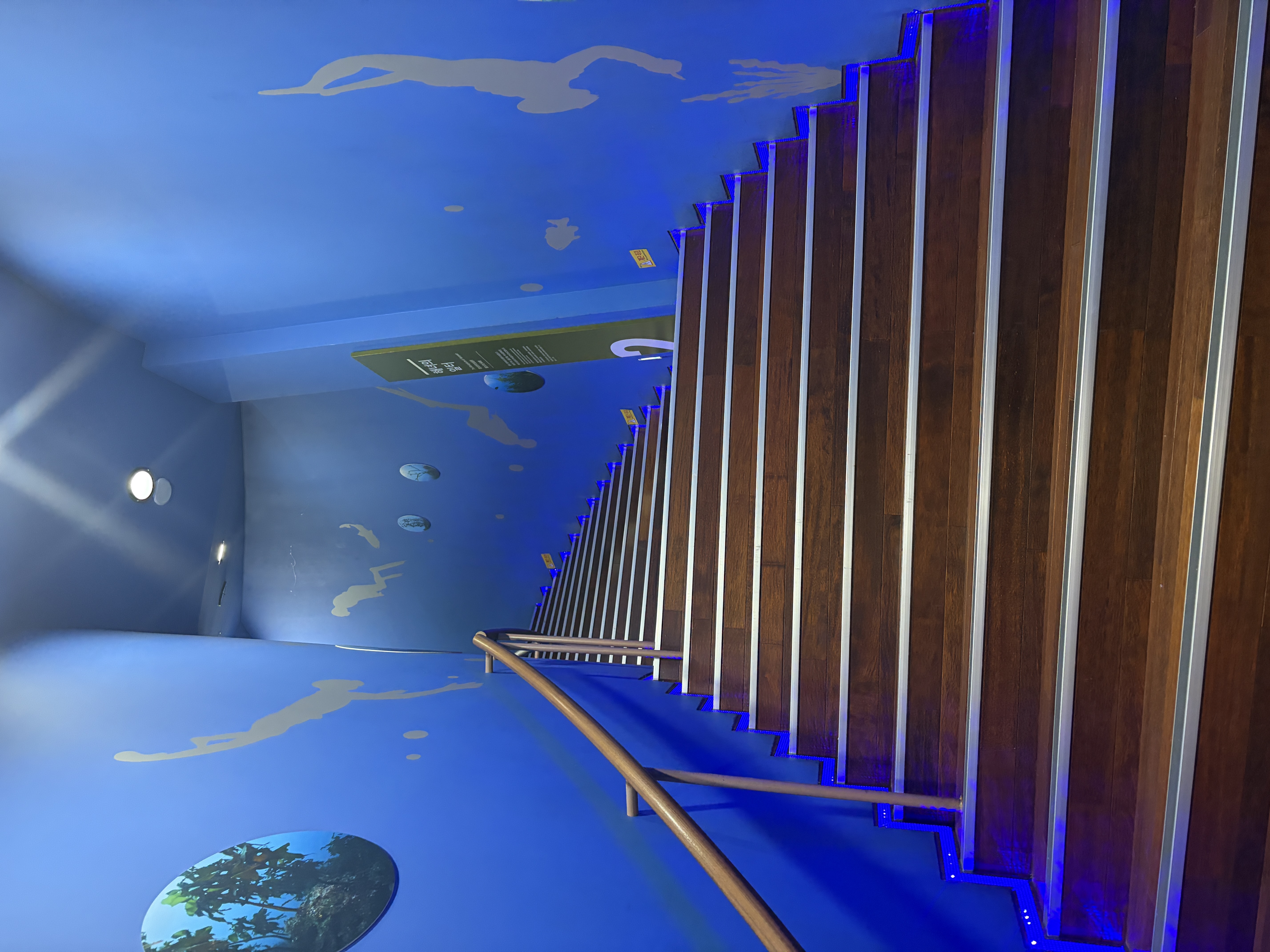
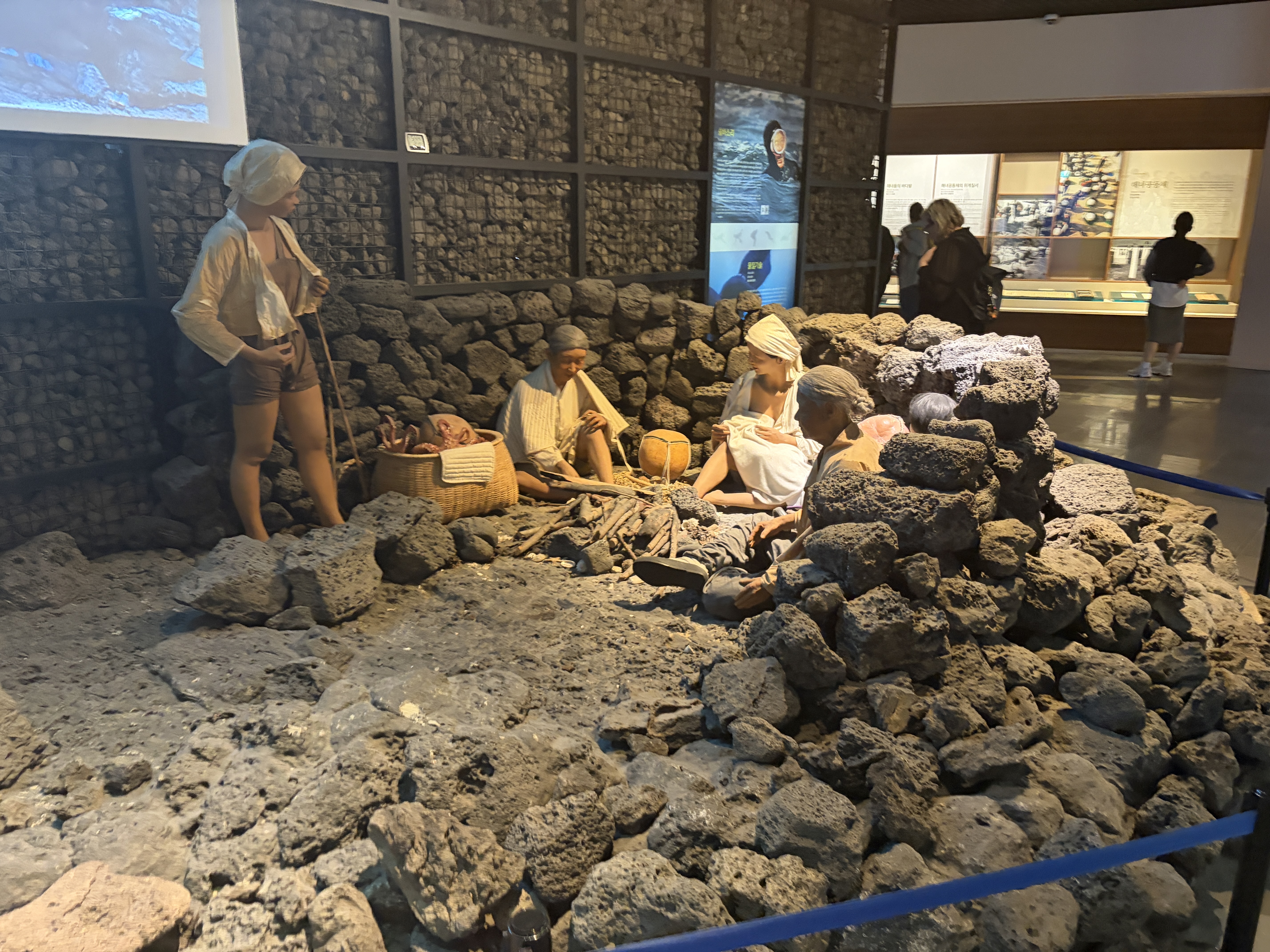
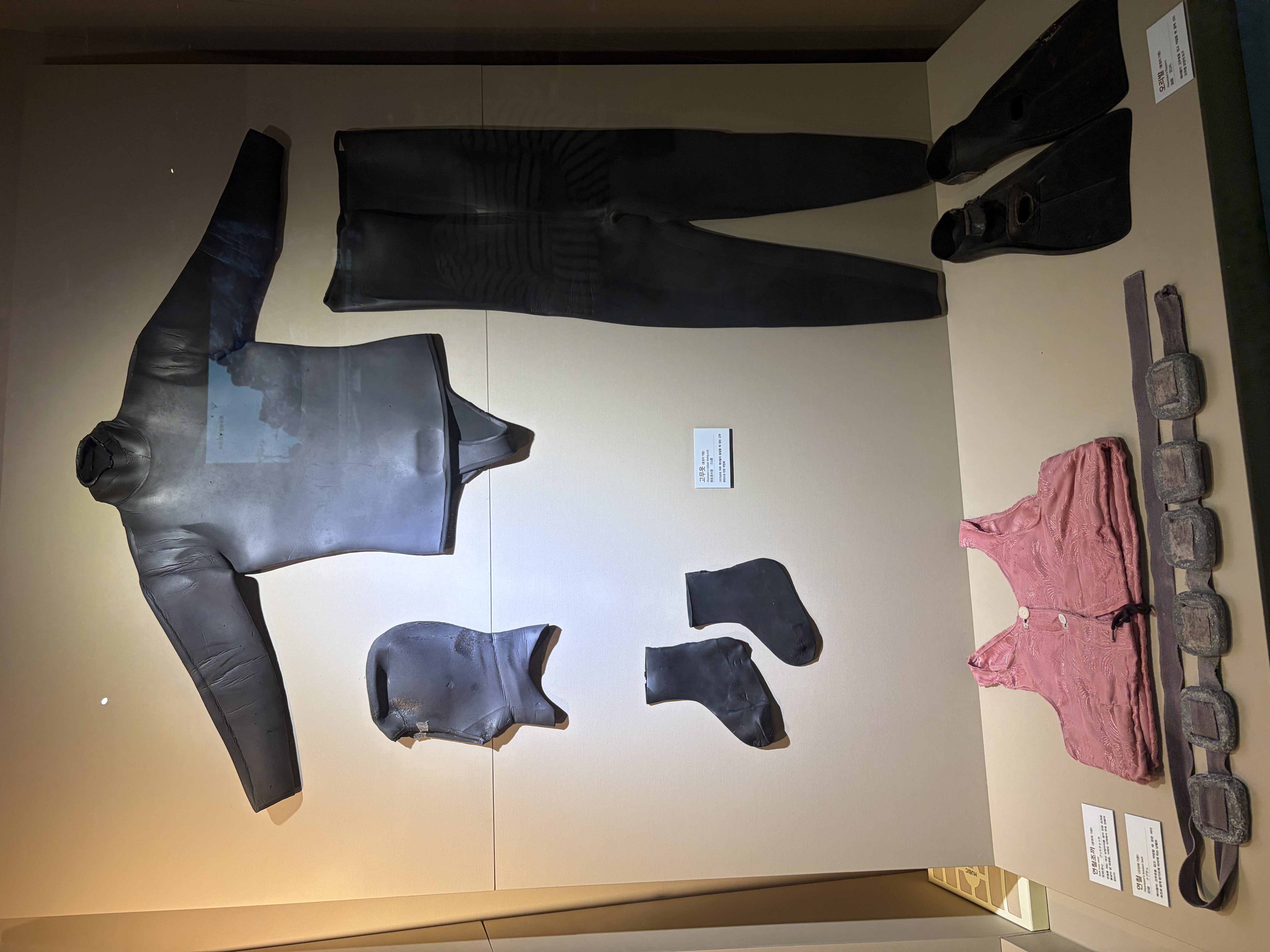
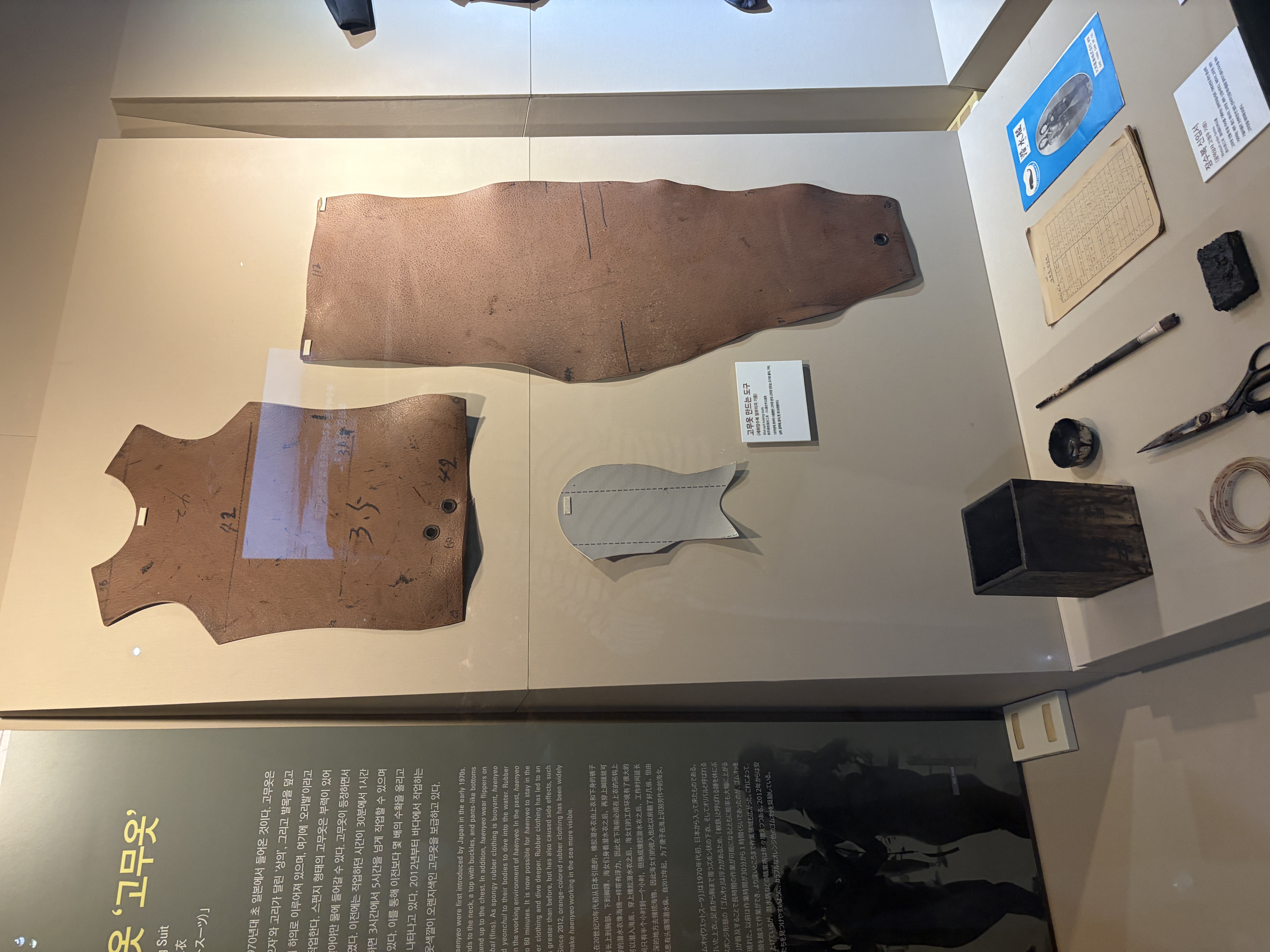
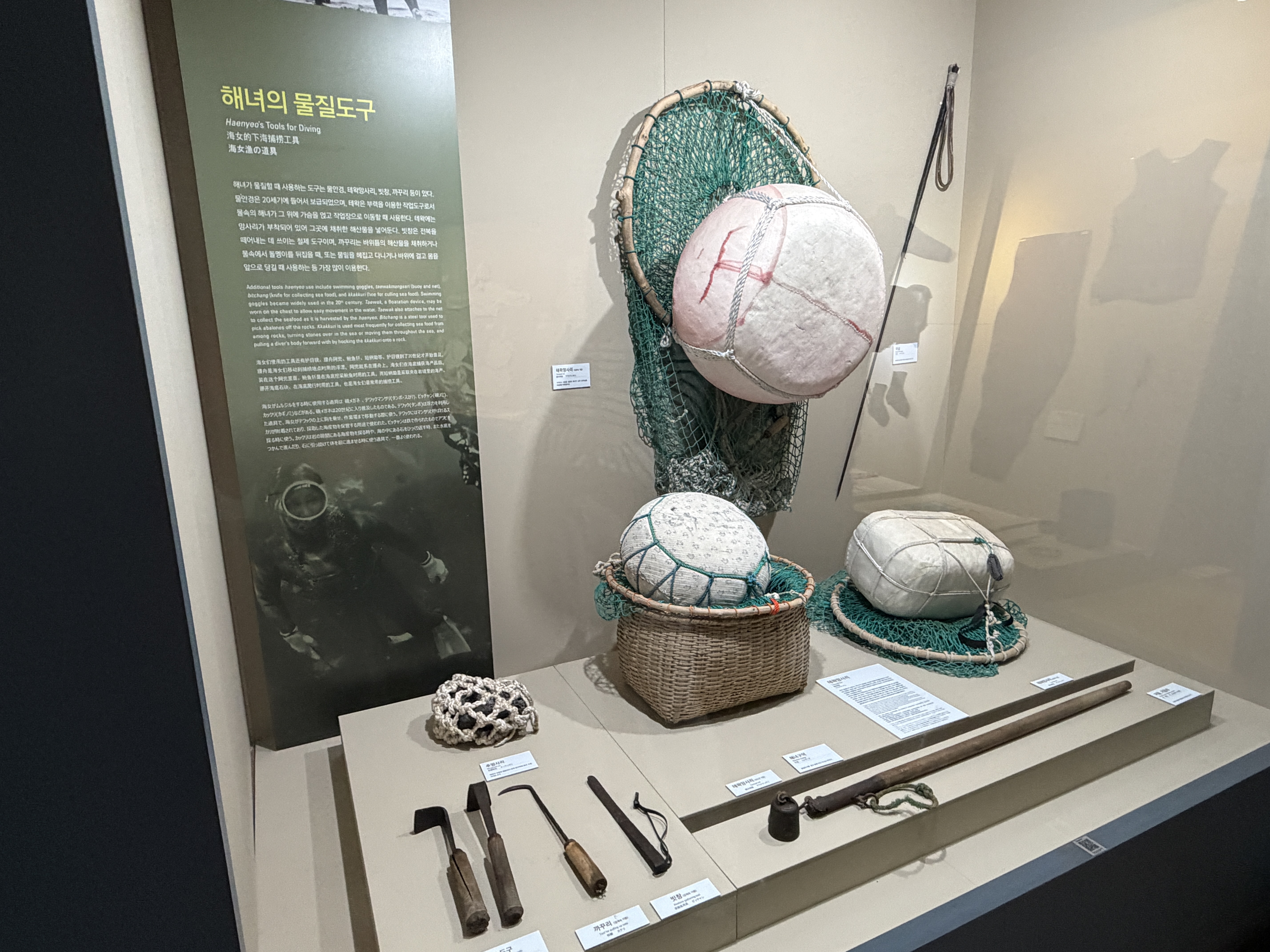
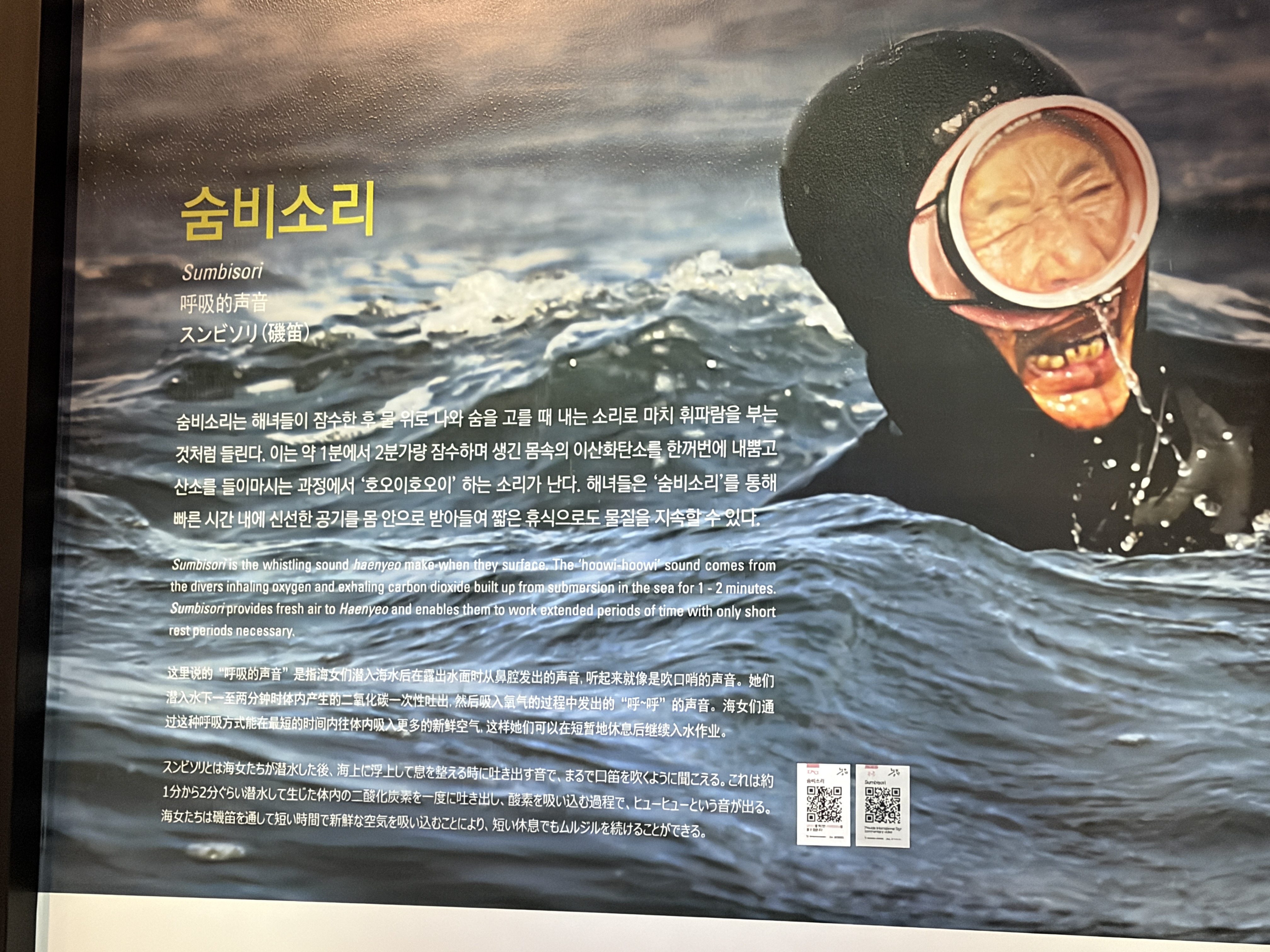
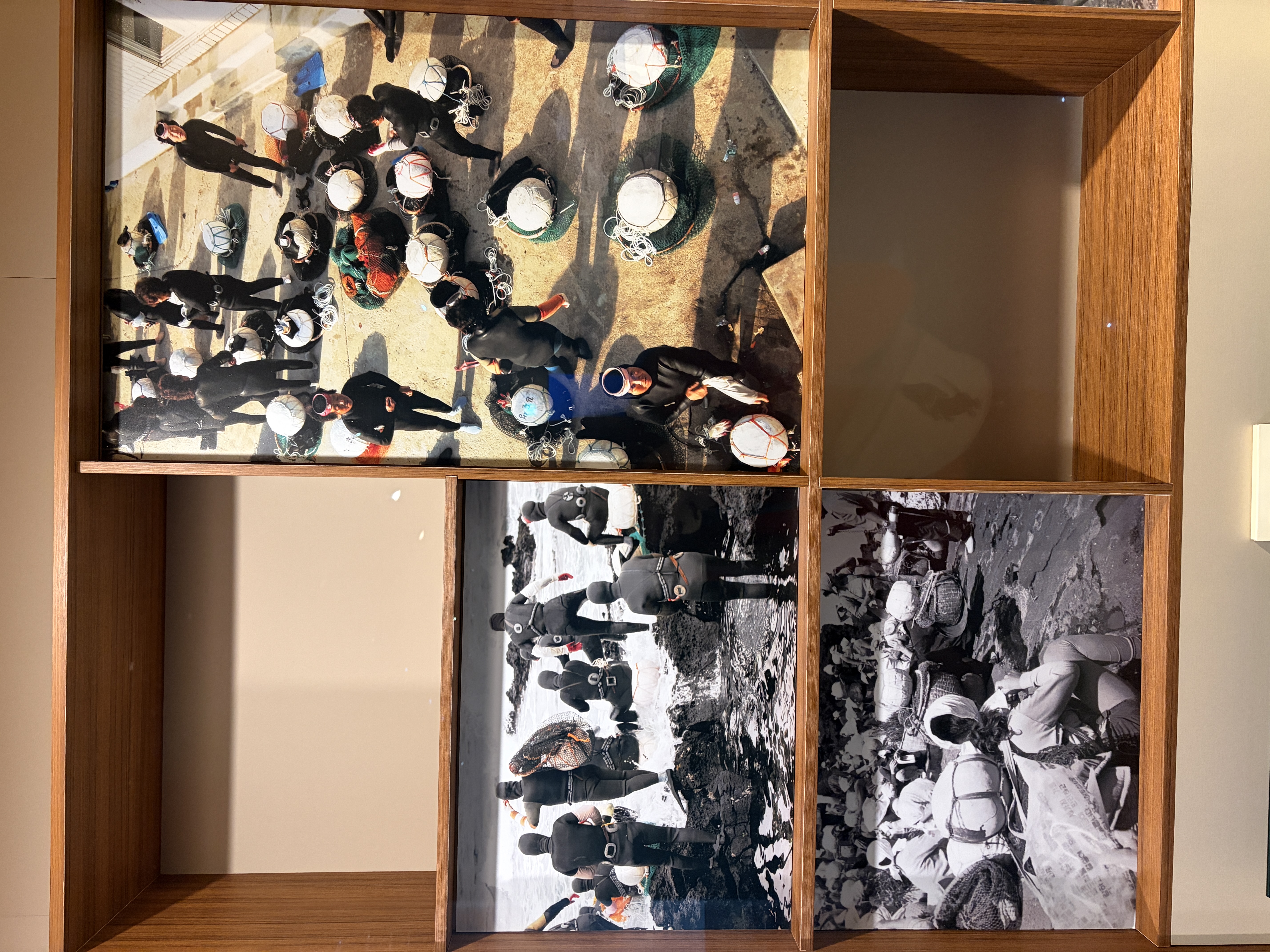
Hallway to the second floor
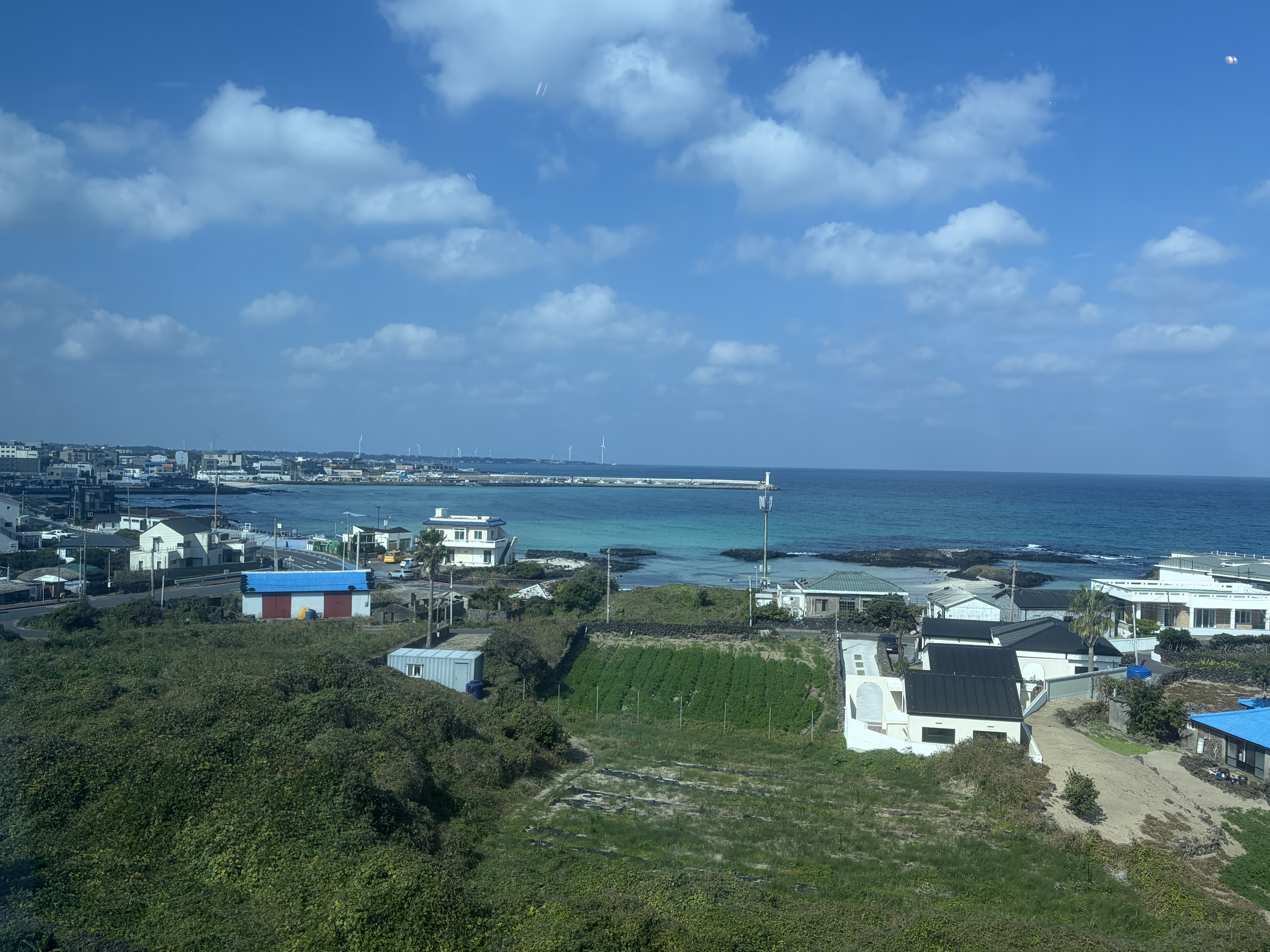
We then continued on to the a part of the museum that is more about art. The haenyeo used to sustain their lives from the sea. Today they stand as cultural creators, sharing their voices thourgh exhibitions, lectures, performances, etc. In this part of the museum there were also nets and buoys created as art pieces by the heanyeo displayed. This was in a room that also had a beautiful view on the sea, which made it even more special. There were pictures shown of the women working on their nets and buoys. Additionally, there were some photos and videos about how haenyeo today share their legacy and culture.
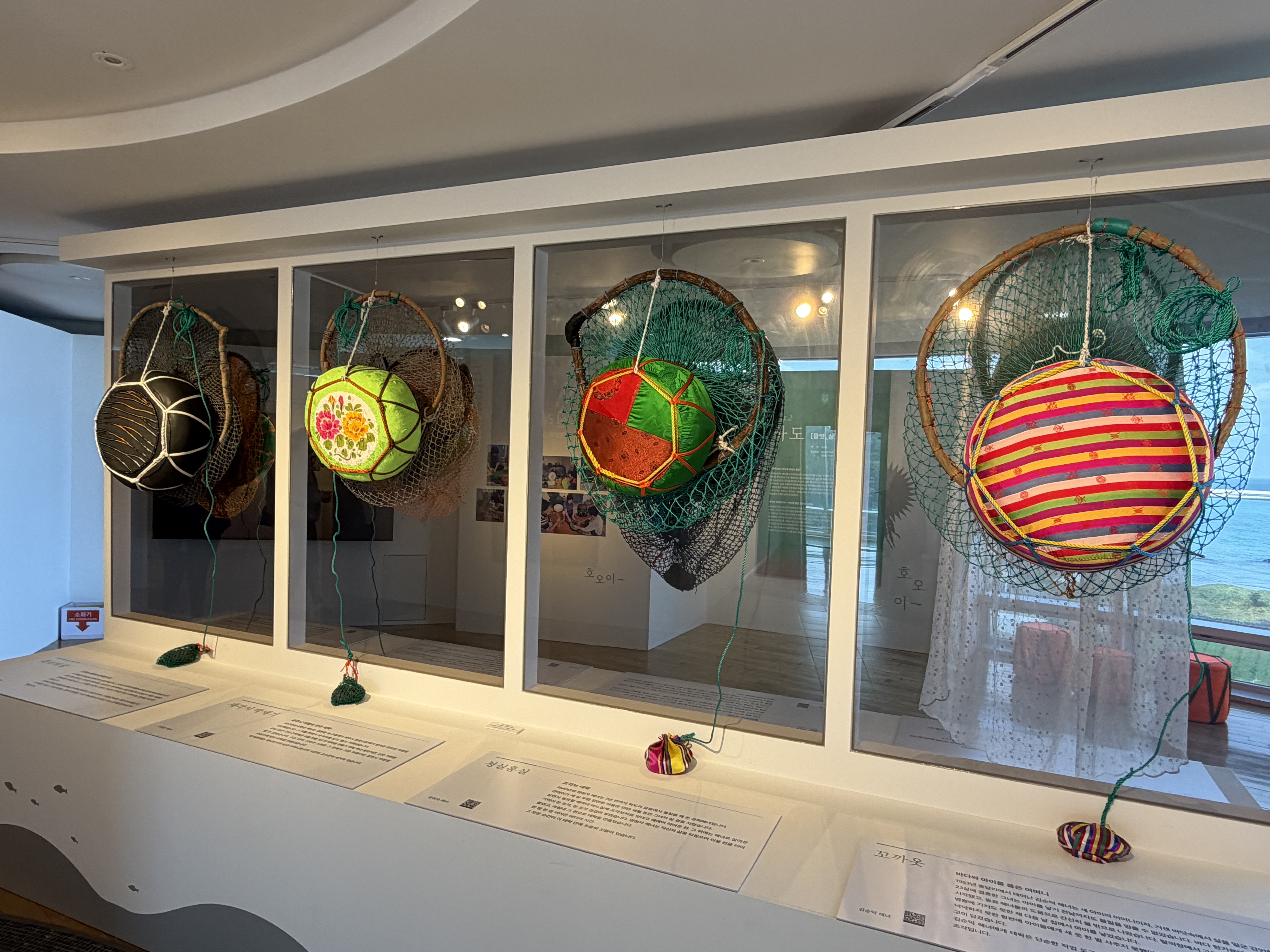
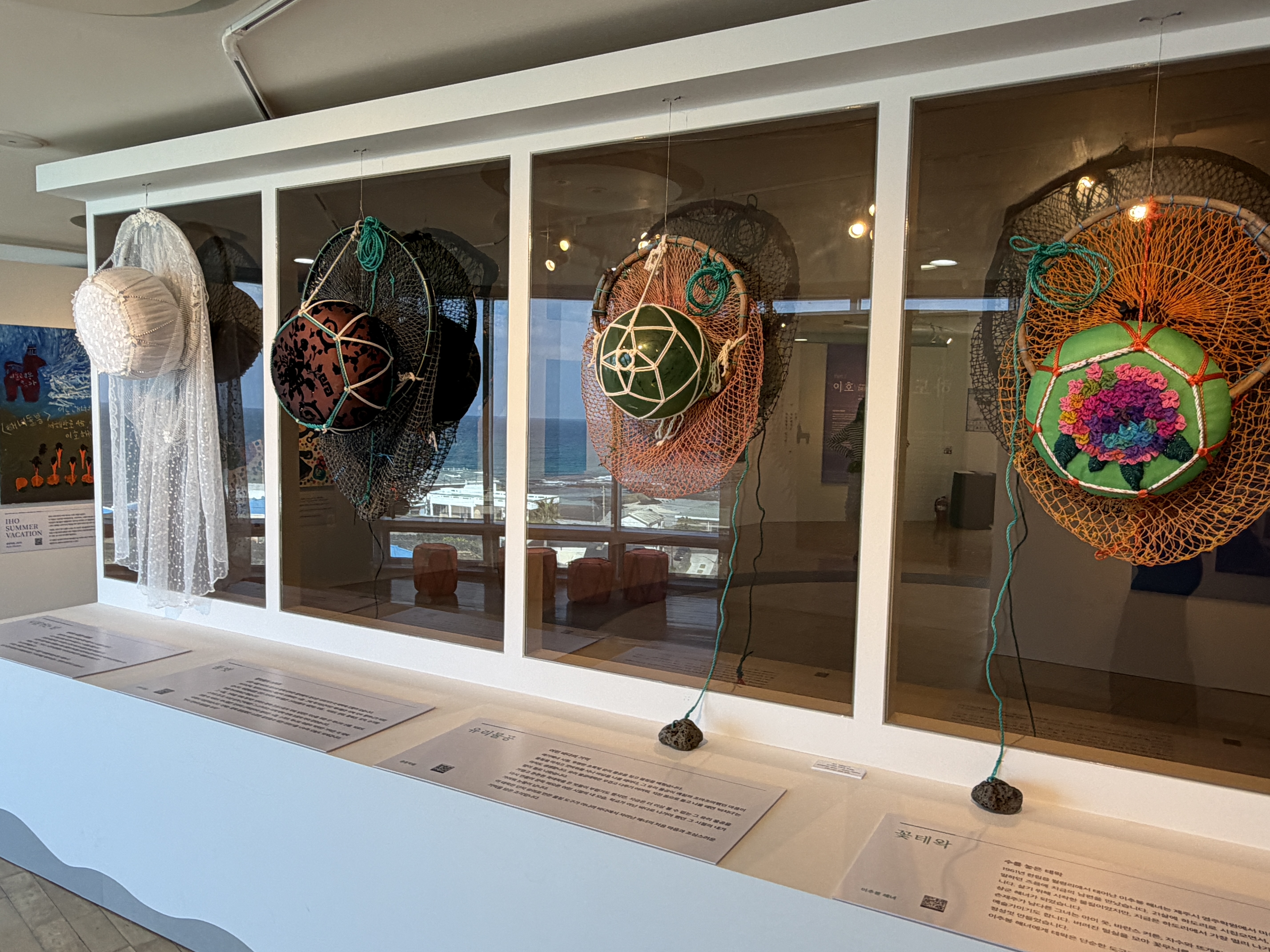
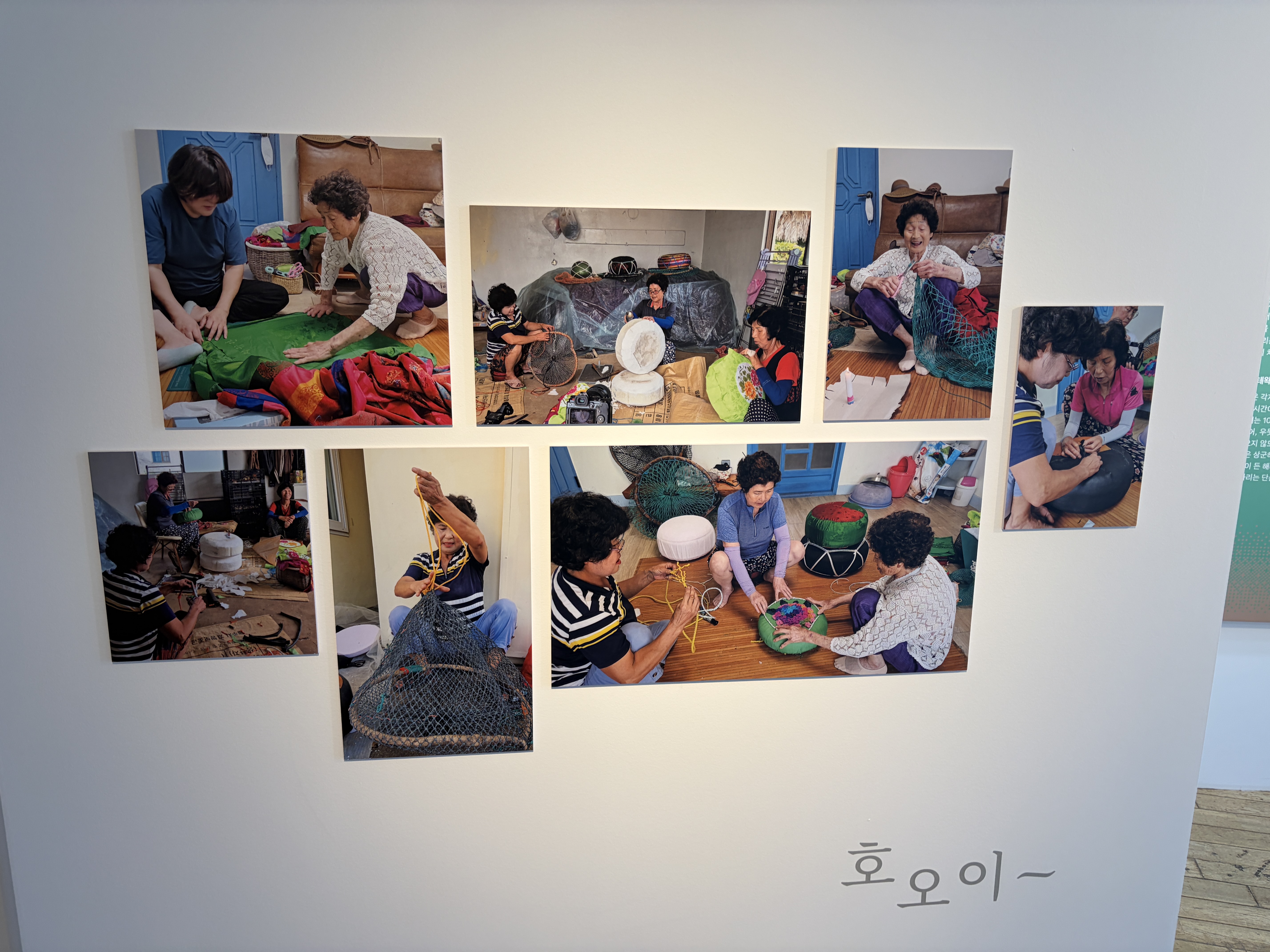
Net and buoy art created by haenyeo
From this part of the musuem we started to move down again. This led us next to a replica of a boat used in earlier days, called teobae or ddebae. This boat was so tiny, it is insane that people travelled on the sea with it. These boats were used for fishing but also for transportation of haenyeo and see as a pride example of marine cultural heritage. Lastly, there were also some screens showing some interview with haenyeo women, and in some side part of the museum there was a general movie about the haenyeo culture and legacy which took around 10 minutes. We filled in a questionnaire about the musuem, how much we liked it, if the price was good etc. (it was way too cheap, I filled in they should ask more money). Then of course we went into the gift shop and my mom and sister bought quite some souvenirs.
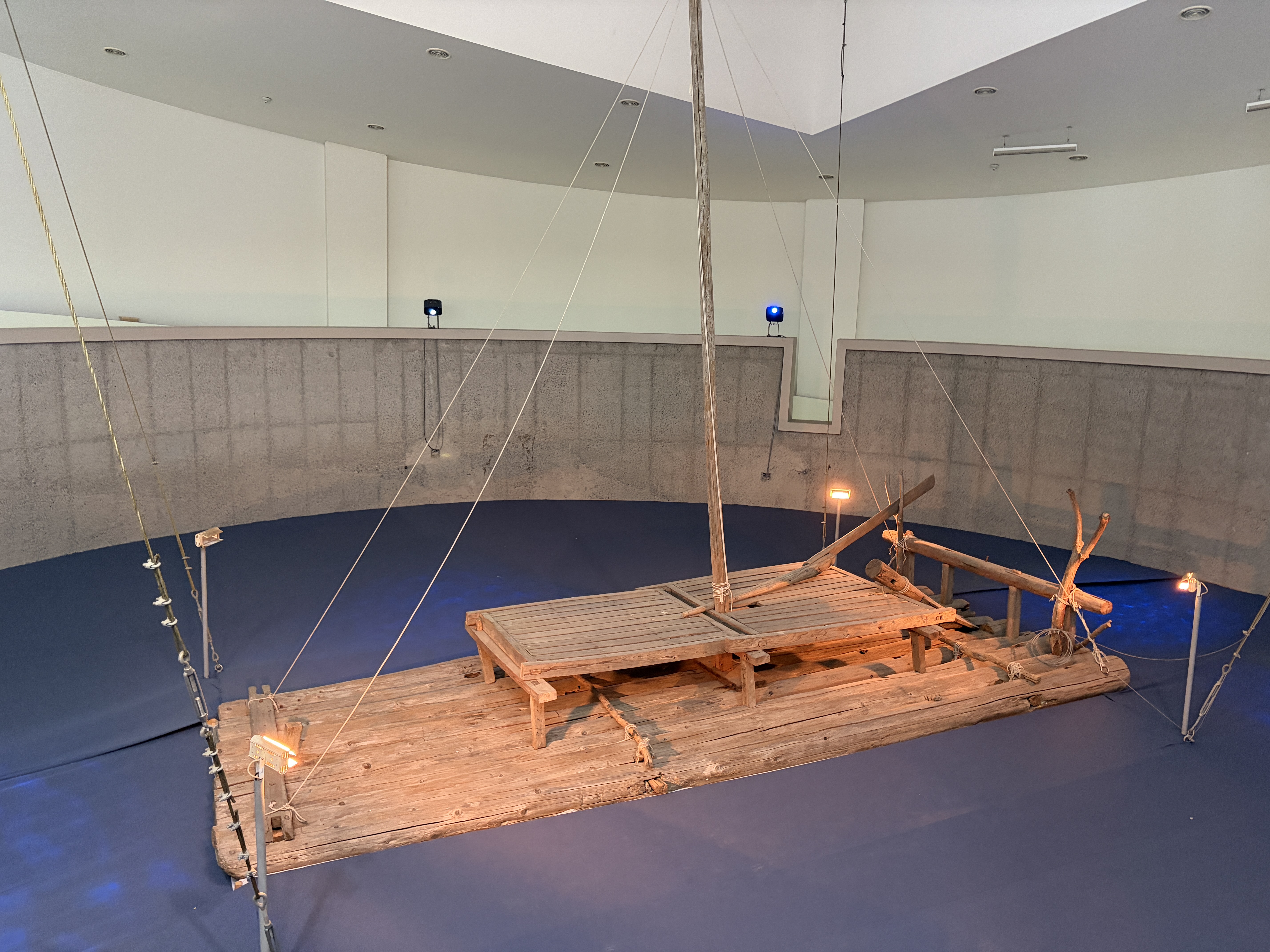
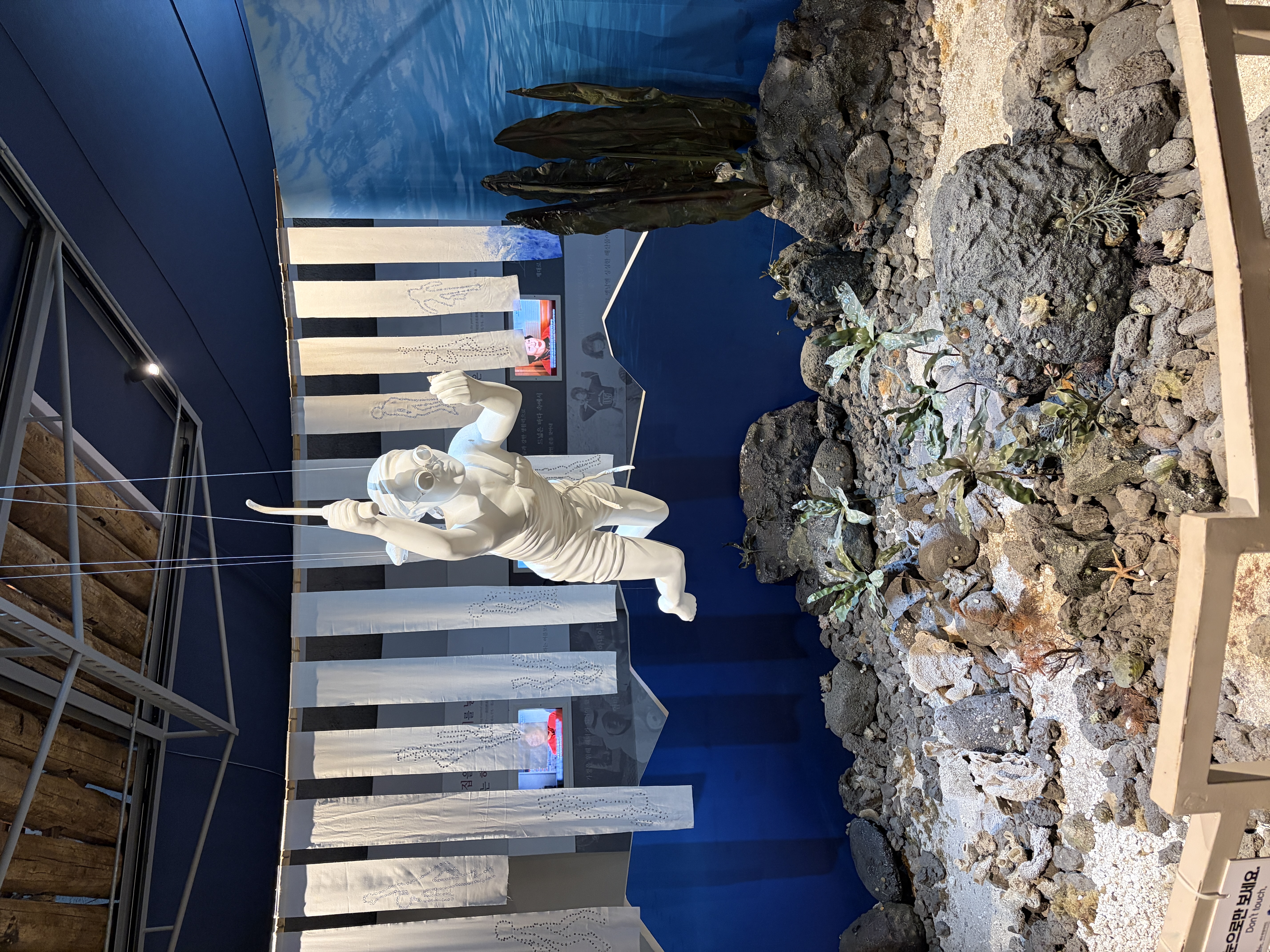
Replica of teobae boat
The last part of the museum, with a replica of a boat, interviews and a movie
When filling in a questionnaire about the museum, you get a figure of a haenyeo woman that you can fold yourself. My mom forces my sister to also fill in the questionnaire, so she could give one figurine to both her grandchildren. In general, equality in the gifts to the two grandchildren was a very important part of shopping.
Seongsan Ichulbong
- Around a 20 minutes drive to the Seongsan Ichulbong where the performance is
- We took a scenic route
- Arrived at a suddenly packed parking space
- Could also climb the pretty mountain/hill but that costs money
- We walked down to the small pretty beach next to a restaurant run by haenyeo
- In time for the performance, so chill a little bit
- Beach between hills/mountains, so nice closed off feel
Haenyeo Performance
- At some point the 4 women arrived and everyone crowded them
- They play a haenyeo sung song on a speaker and they do a small dancing performance
- Then they enter the water to look for fish
- They only snorkel, not really dive, it is not showing the real deal i think
- So many people clapping and filming, it is a strange feeling
- They ‘find’ a squid and show it off
- Then they return again
- Whole performance is free
- We drive to a bakery at another beach with a view to the beach
Bijarim Forest
- Then we go to Bijarim forest
- The beginning just looks like a park but later it becomes very pretty with all the trees
- There are maples and bijam and probably more trees
- Lots of signs for snakes, but didnt see one :(
- Some of the trees look really old and impressive
- A lot of distinct trees stand out, for example tree with a hole, the lovers tree, and the oldest tree *look up name
- We also met a korean couple the man really wanted to talk to us, but he was cut off by the woman who wanted to move on/not bother us
- We did take pictures of each other
- Then we went t a korean bbq recommendation
Day 9: South Jeju
- One fall very close to the hotel so we drove there
- Probably more impressive in summer when more rain falls but still cool
- Then we drove to Bong Bong where you can pick tangerines
- I wore a pretty hat
- The terrain is actually quite small, at least the part where you can pick, but decorated with photo spots
- The tangerins look maybe green which unappealing at first, but actually they were really good
- There was this photographer that was taking pictures idk why
- He specifically focused a lot on me and esmee so we held a little photoshoot for him where we cut the tangerines
- At the end you also pay for all the tangerines you picked, so we did not want to pick too many
- Then back to seogwipo to drive next to the coast, very rocky
- Again found a cafe where you could see the coast and sea, including a island
- Then went to the other fall in the city, this one located next to the sea
- It looked stunning, the high fall falling directly into the sea
- There were also some old women chilling close to the fall with parasols, idk what they were doing but fun
- Then moved on to another coast, jungmun daepo
- These contained columnar joints, which are hexagonal rocks formed by cooling lava
- Only seen on volcano islands
- You could also see them from boats, one being an intense very fast boat ride and the other one more chill
- Explanation of how they are formed
- To the next cafe, next to a beach
- The beach was pretty far down, so had to descend a lot of stairs
- But the beach was beautiful because of it with the cliff side next to it
- Some people were surfing on it
- Found some pretty shells and glass that was * on the beach
- Sun was also setting, so even more pretty view
- When walking back up again, we ended up at the most fancy hotels, with pools and everything
- Then to our airbnb and dinner quickly
- Before going to bed we sat at the main room with koreans
- Talking about our trip, kpop, and kdrama
Day 10: Beaches and Skin care
- After leaving guesthouse first back to that one beach
- However due to flood it was closed, which we did not know beforehand
- We got a random sweet potato from a stranger, so that was nice
- And the mountains no the drive were also pretty, they are apparently typical of volcano land as well, since those happen because lava escapes there as well
- Then we drove more land inwards to the innisfree shop
- Innisfree is a Jeju skincare brand, so you can more affordably get products there
- It is really big and busy, and fun to be
- Then we drove to a bakery closeby
- It is massive and has a very open and modern decoration with lots of plants
- It was located next to a pretty field
- Then we drove back to the coast to visit some beaches
- First hyeopjae, which was weirdly enough covered with sand sacks, probably to make sure the sand stays there?
- But the beach that you could see was very white and the sea very blue
- Afterward we went to hallim park to visit some lava tubes
- Did not know beforehand it was such a big park
- We went to the subtropical garden with huge cacti, and crocodiles
- We saw a lot of massive palm trees
- There were a lot of birds locked in too small cages
- There were 2 caves that we could visit
- They combine lava tubes with stalactites and stalagmites which is quite rare, because they only happen due to lime deposits
- One of the caves is shaped like two dragons, which are treasured mythical creatures in asian cultures
- Also a statue of the Legend of Dr. Jin
- Some other interesting structures that were formed
- Also saw a pink field, which mostly bloom I think in october, so not that pretty anymore, also because of small scale
- Got a very nice chocolate ice cream
- Visited the bonsai tree part of the park as well
- Lots of unique and pretty bonai trees
- Walked to the exit, and happen to see an ostrich for the first time of my life
- Last stop in Jeju, Gwakji beach
- Contains statues of haenyeo women
- Also blue sea and white sands but also the sacks
- Pretty stone structures
- Back to the airport
- Handing in the car in such a structured machine fashion
- Airport is so busy
- Stayed in busan airport, but got scammed by the taxi