Day 13
We arrive in Tokyo after a flight from Beijing. We may still have the late afternoon and the evening. But there are here some suggestions for what to do this day. Besides of course going to the glasses store to buy some nice glasses that everyone in the family wants to do. It is called JINS Shibuya. But for the sightseeing things we can do the following:
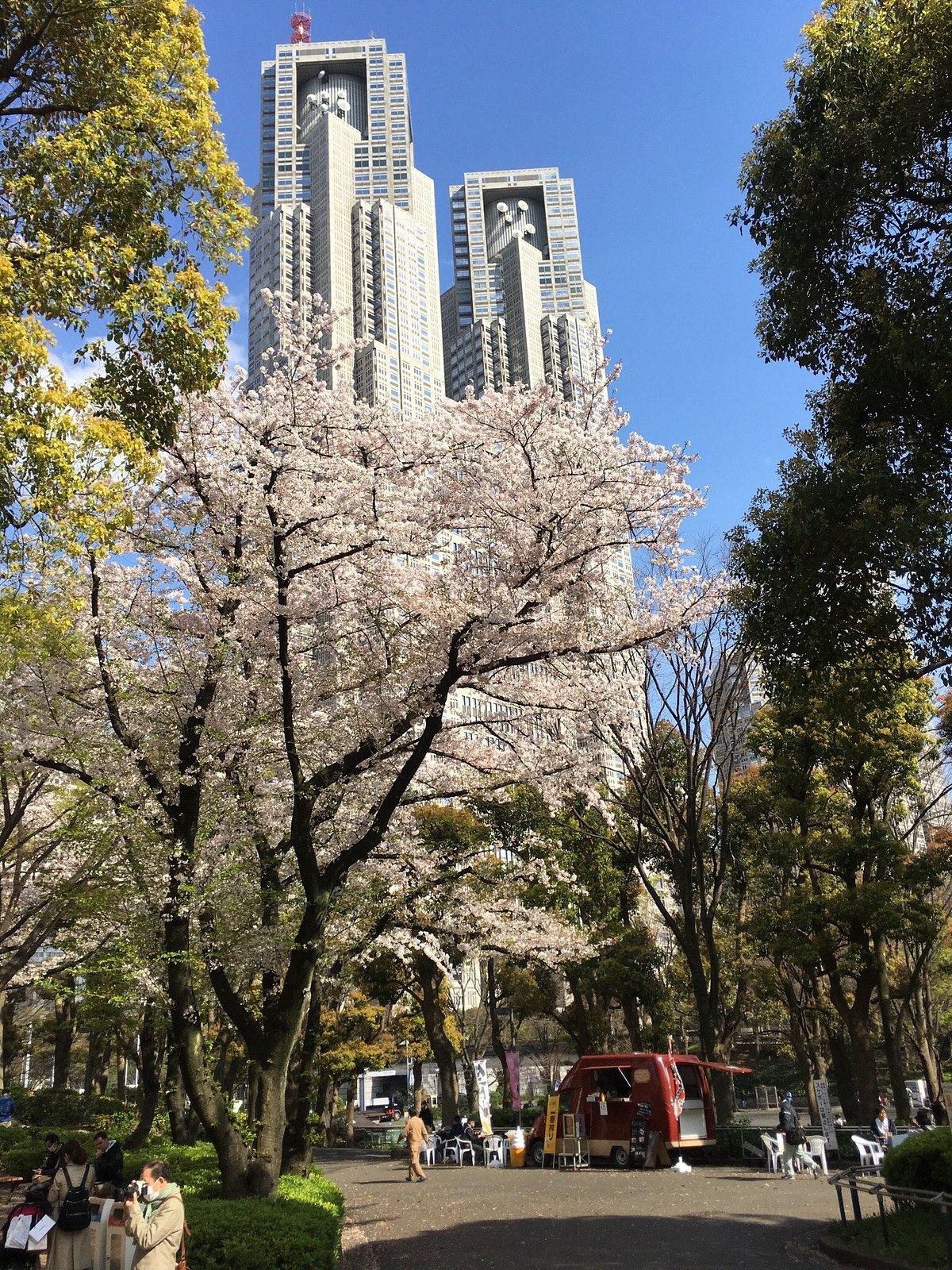
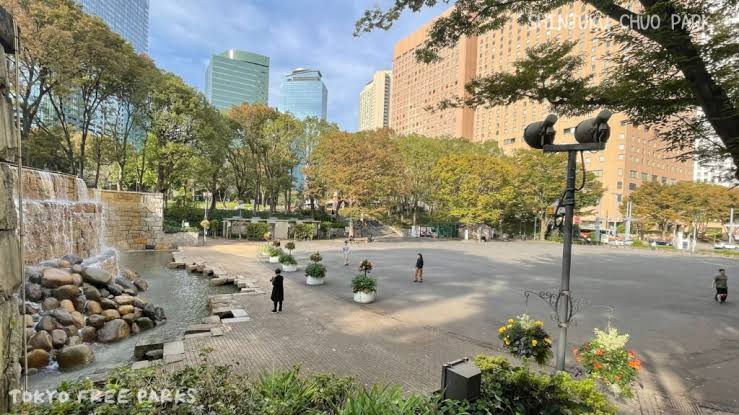
Shinjuku Chuo Park
the largest ward-operated park in Shinjuku, Tokyo, spanning roughly 88,000 square meters of green space surrounded by a dense district of skyscrapers. It is close to our Hotel.
Three Main Sections:
- The park is split into North, East, and West areas linked by footbridges:• East Area: Features an athletic ground and running paths.
- West Area: Includes a children’s playground, toddler-specific play zones, and a seasonal summer water play pool.
- North Area: Houses the Shinjuku Niagara Falls (a man-made waterfall), a water plaza, a lawn area, and the Citizen’s Forest
It contains the followingn things:
- SHUKNOVA Complex: A commercial and wellness facility inside the park containing dining spots (like Starbucks and Musashino Mori Diner) plus a bouldering and yoga center called Parkers Tokyo.
- Shrines and Landmarks: It features the Juniso Kumano Shrine on its western side and the Peace Carillon (a set of 12 hanging bells).
Shinjuku Chuo Park
Tokyo Metropolitan Government Building
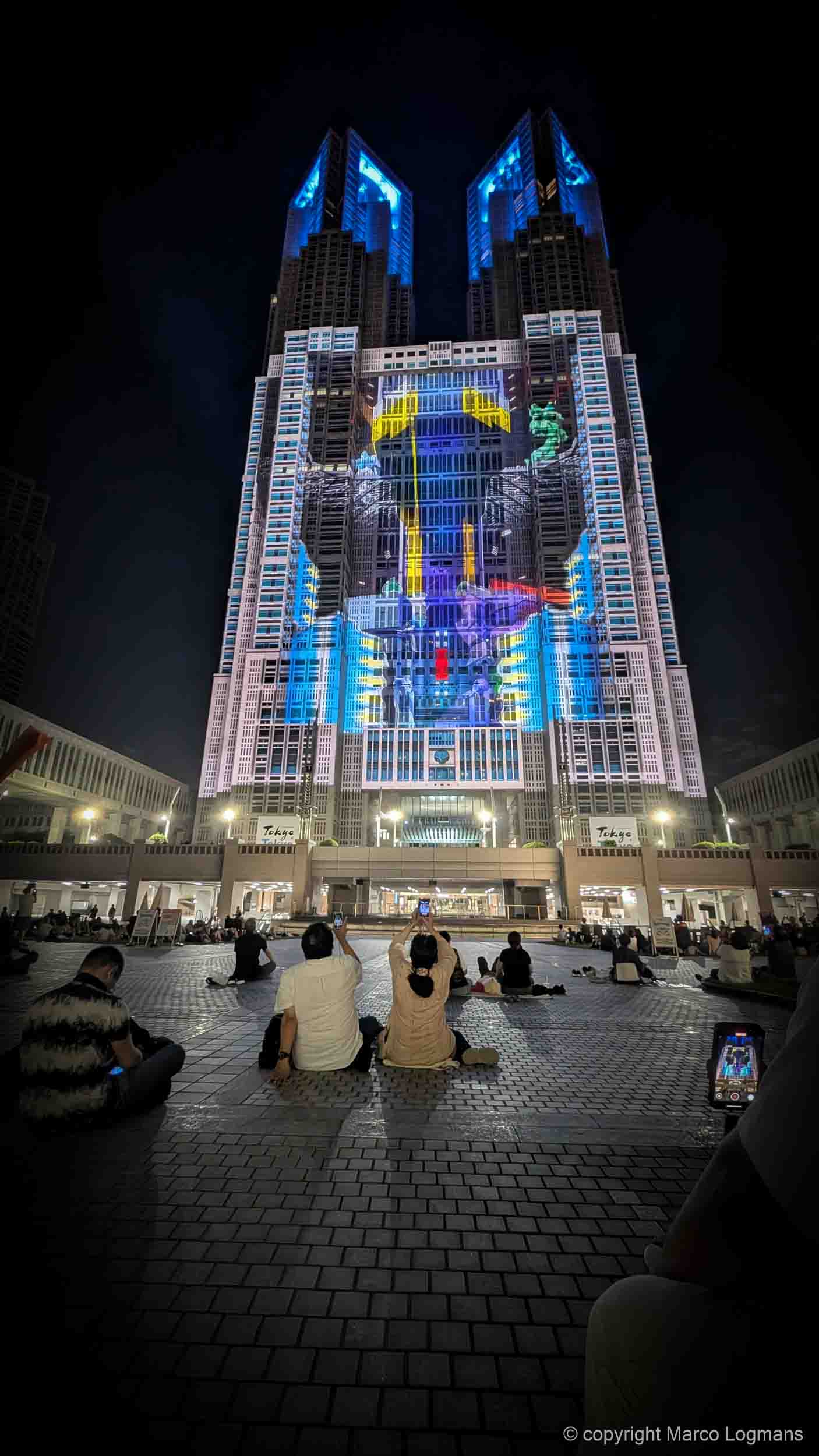
The Tokyo Metropolitan Government Building in Shinjuku is often visited by tourists for its free observation decks which provide good panoramic views of Tokyo and beyond. The 243 meter tall building has two towers, and each houses an observatory at a height of 202 meters. It had been the tallest building in Tokyo until it was overtaken by the Midtown Tower in 2007. In the evenings, the building often features light shows. Schedules can be found online. It will probably be nice to catch one of the light shows in the evening.
Tokyo Metropolitan Government Building
Isetan Shinjuku
Isetan Shinjuku is an iconic, ultra-prestigious flagship department store located in Shinjuku, Tokyo. Opened in its current historic art-deco main building in 1933, tracing its roots back to a kimono fabric shop founded in 1886. Consists of a main building (fashion, cosmetics, homeware, and the famous basement food market) alongside a separate, dedicated Isetan Men’s building. The main idea is to eat here, specifically because of The Depachika (Basement Food Hall): Famous for its massive underground gourmet food market offering upscale bento boxes, pastries, snacks, and local/international delicacies.
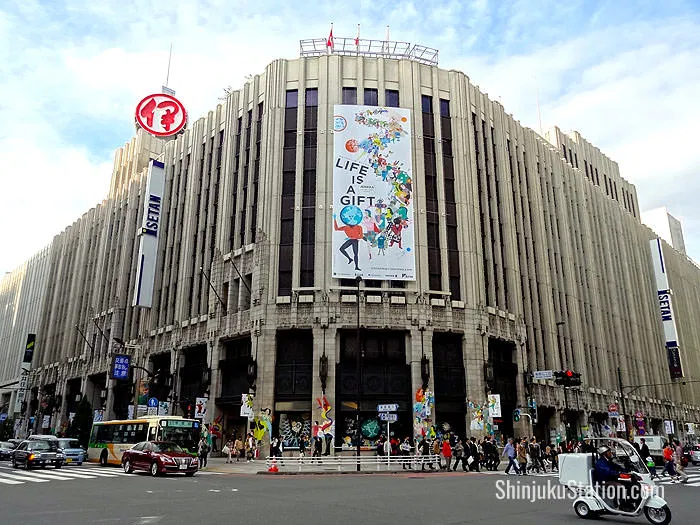
Isetan Shinjuku
Godzilla Area
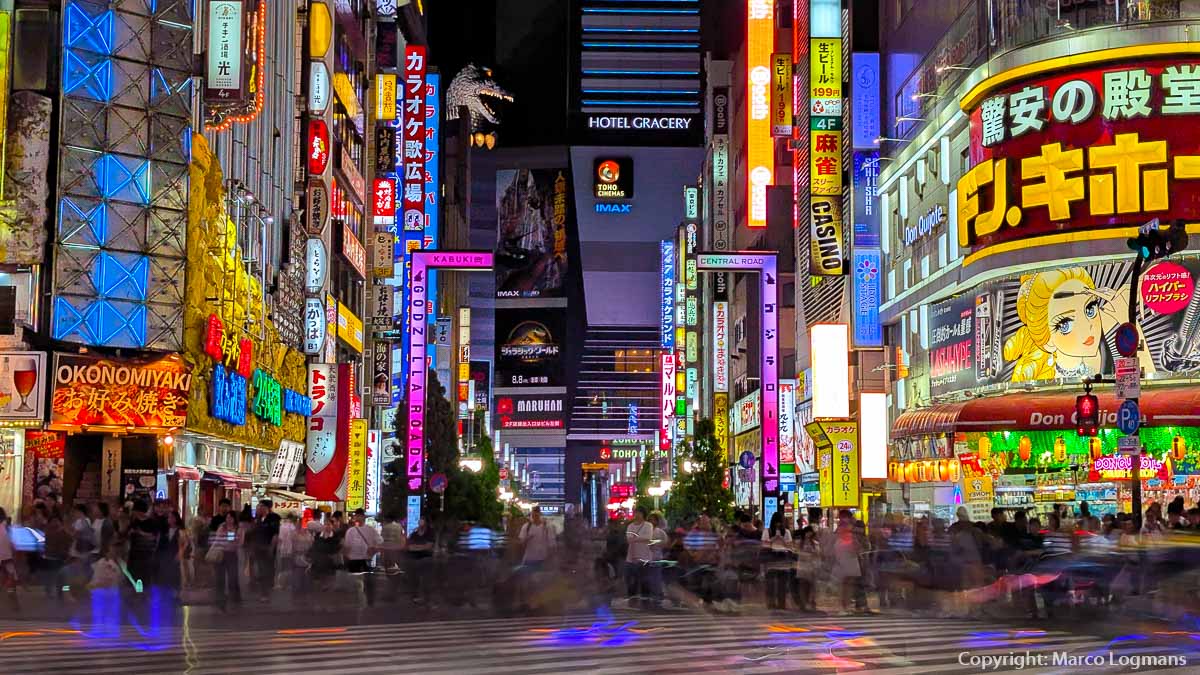
a massive, life-sized sculpture of Godzilla’s head and claws perched on the 8th-floor terrace of the Shinjuku Toho Building (home to Hotel Gracery Shinjuku) in Tokyo’s Kabukichō entertainment district. I think every hour there is a show where Godzilla roars and moves its head, accompanied by lights and sound effects. In the area, there is also plenty of oppurtunity to shop around.
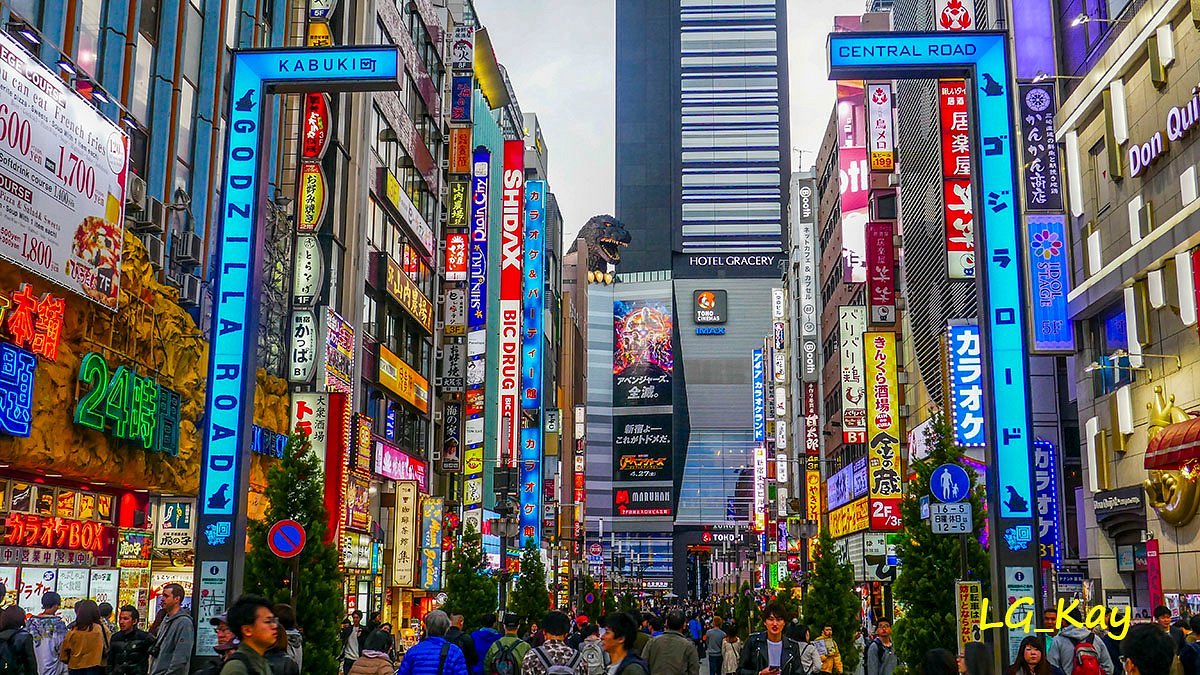
Godzilla Area
Day 14
First full day of Tokyo, we are exploring Shibuya area!
Meiji Shrine
The Meiji Shrine is a prominent Shinto shrine located in Shibuya, Tokyo, dedicated to the deified spirits of Emperor Meiji and his wife, Empress Shōken. Visitors typically bow at the torii (entrance gates), wash their hands and mouths at the temizuya (water fountain), and practice the traditional bow-bow-clap-bow method at the main hall. This place is a sense of calm and serenity, with a large forested area surrounding the shrine, providing a peaceful escape from the bustling city.
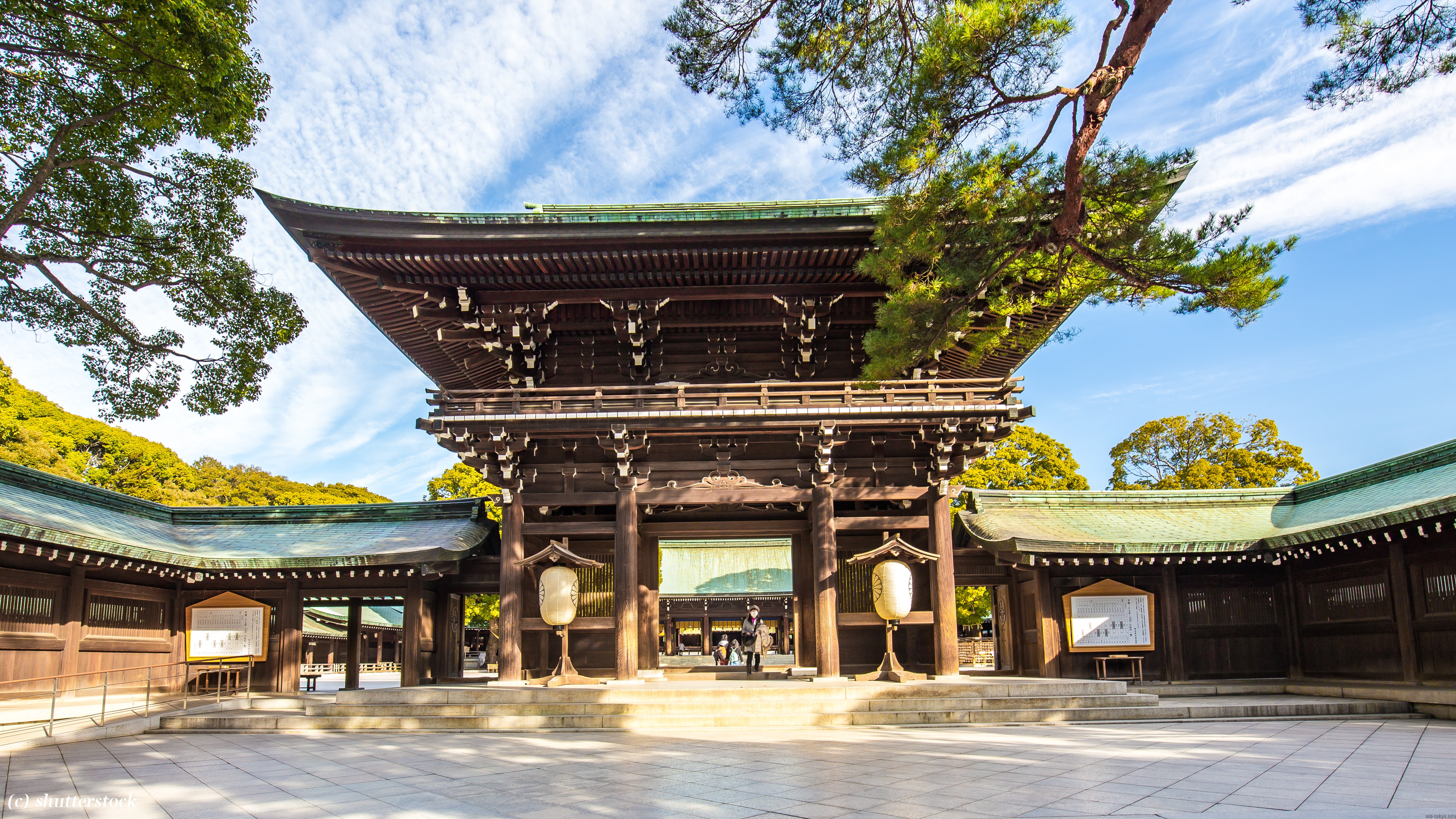
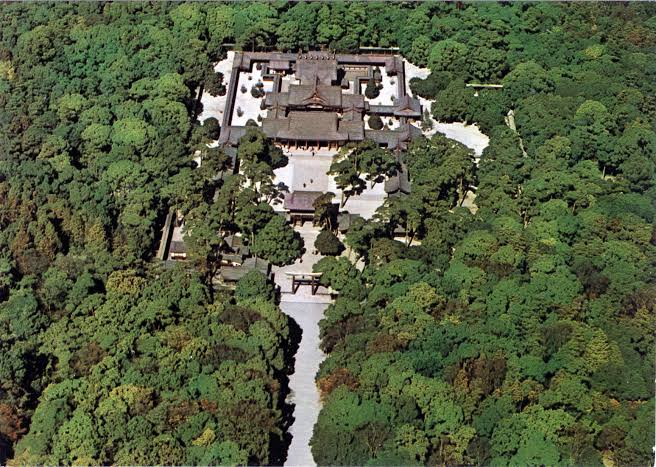
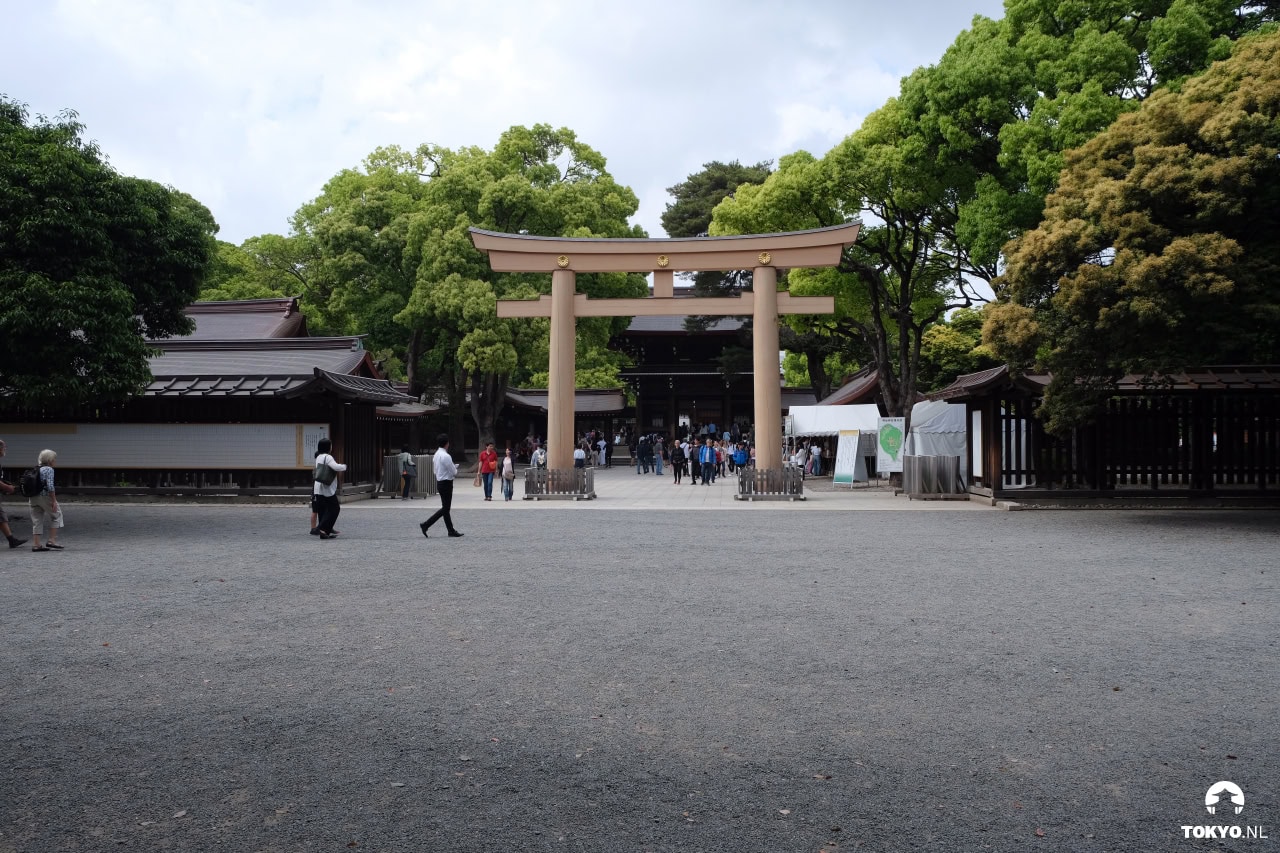
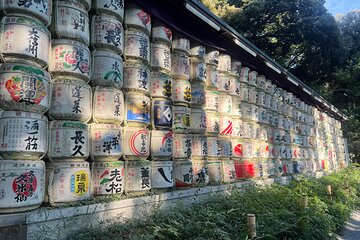
Meiji Shrine
Yoyogi Park
Yoyogi Park is one of Tokyo’s largest public green spaces, located in Shibuya City right next to Harajuku Station and the Meiji Jingu Shrine. Spans roughly 54 hectares (134 acres) and is divided into a forested park side (with lawns, walking paths, ponds, and a dog run) and an event plaza side (with an open-air stage and sports courts). The site has a varied past—it hosted Japan’s first powered aircraft flight in 1910, served as a military parade ground and U.S. military housing (Washington Heights), and functioned as the Olympic Village for the 1964 Tokyo Olympics before opening as a public park in 1967. Often called Tokyo’s “outdoor living room,” it draws a diverse crowd of joggers, picnickers, street performers, cosplayers, and weekend subcultures (such as rockabilly dancers).
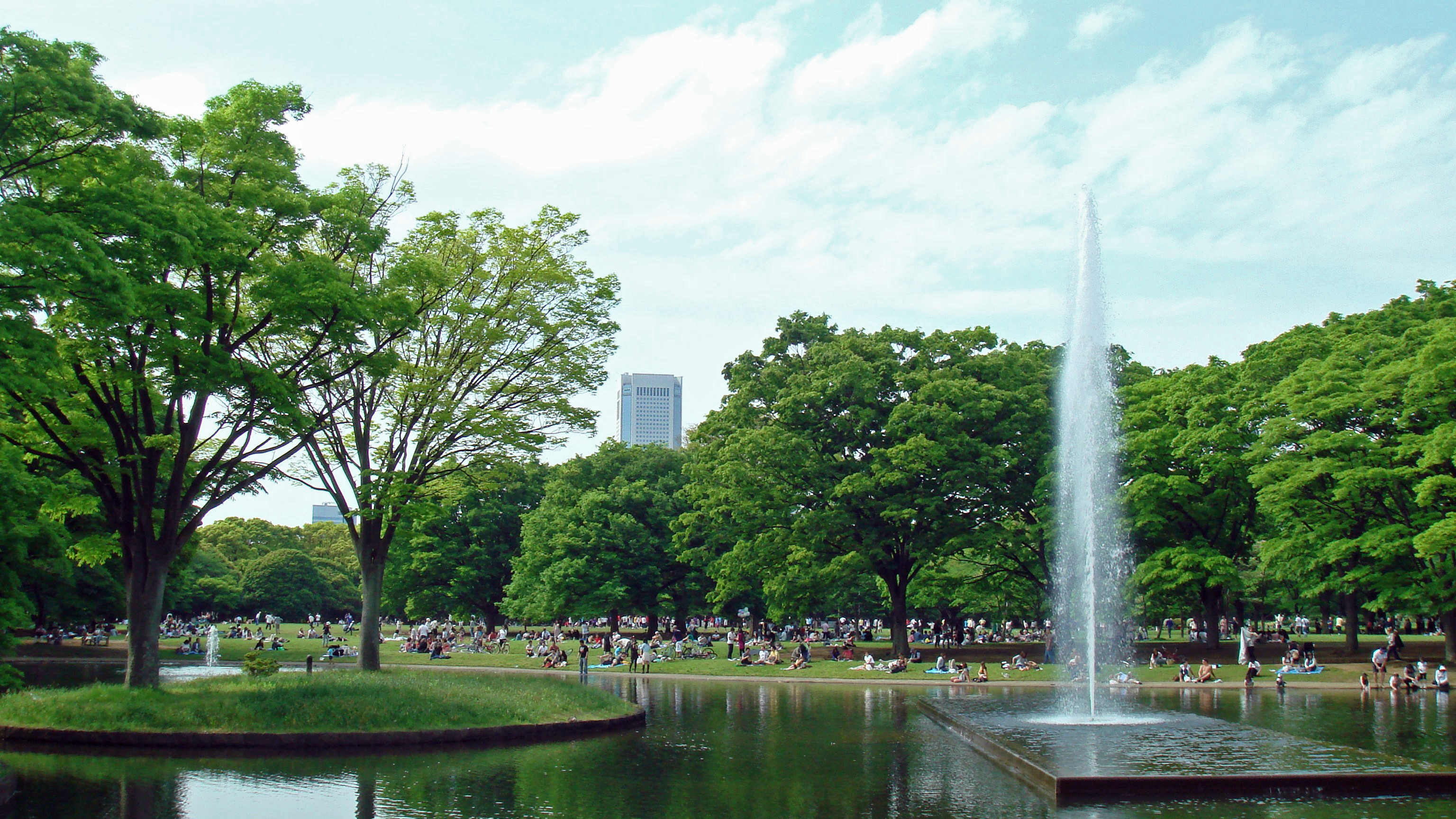
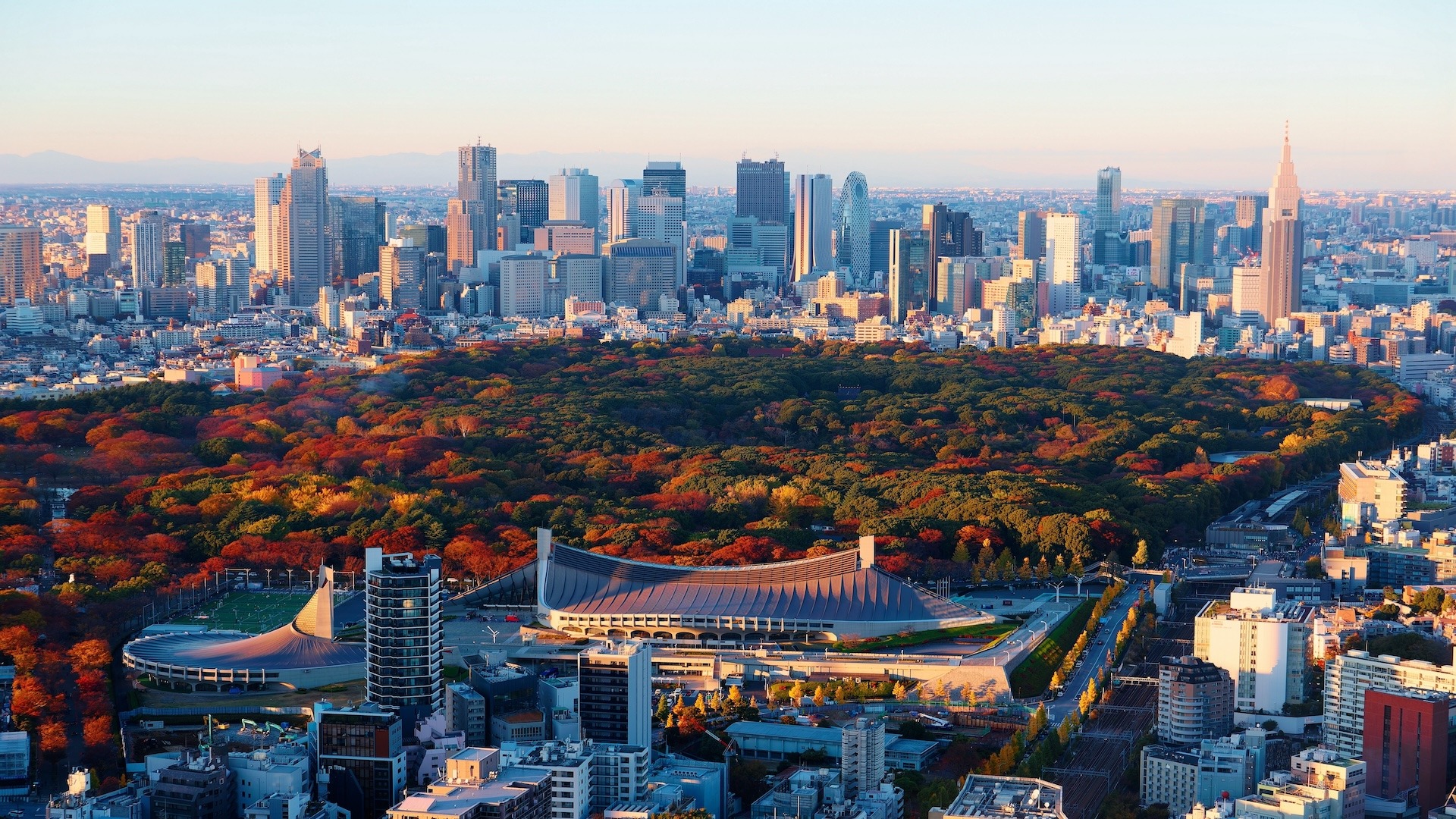
Yoyogi Park
Higuma Doughnuts x Coffee Wrights
This is just a quick stop for good coffee and doughnuts.
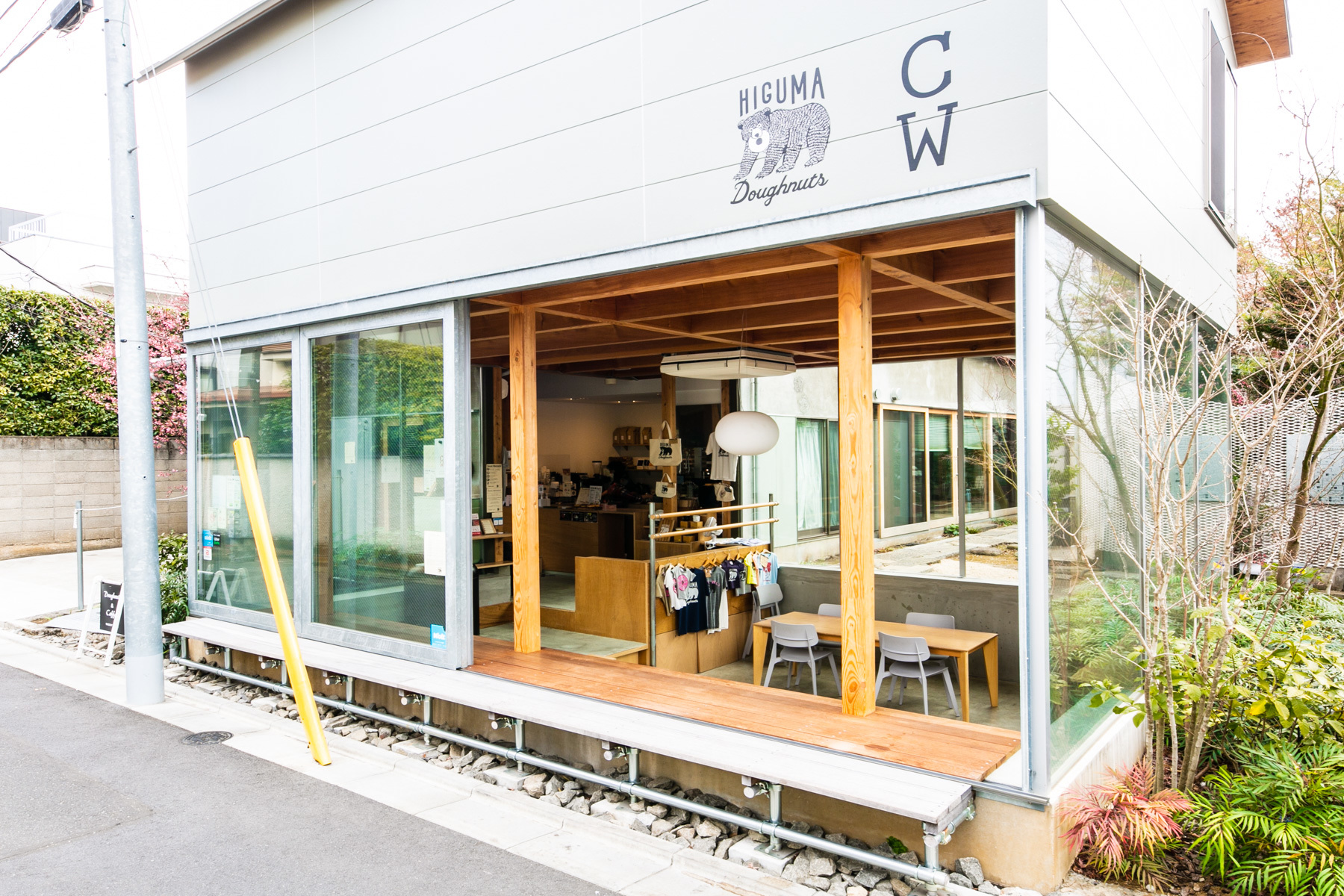
Higuma Doughnuts x Coffee Wrights
Harajuku
Harajuka translates to “meadow lodging” or “original inn,” but it is primarily known as a famous Harajuku fashion and youth culture district in Shibuya, Tokyo. It is mainly known for its street fashion, where subcultures wear bold and unique outfits. It covers diverse aesthetics like Lolita, Decora, Cosplay, and Visual Kei, all centered around self-expression rather than a single look.
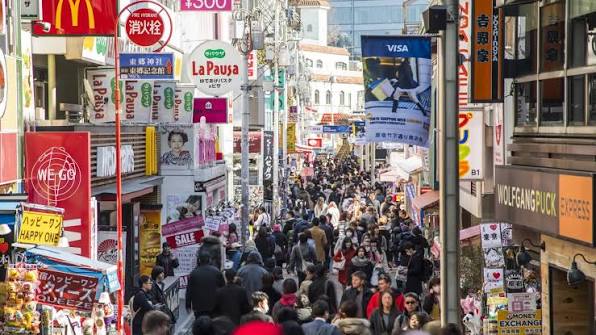
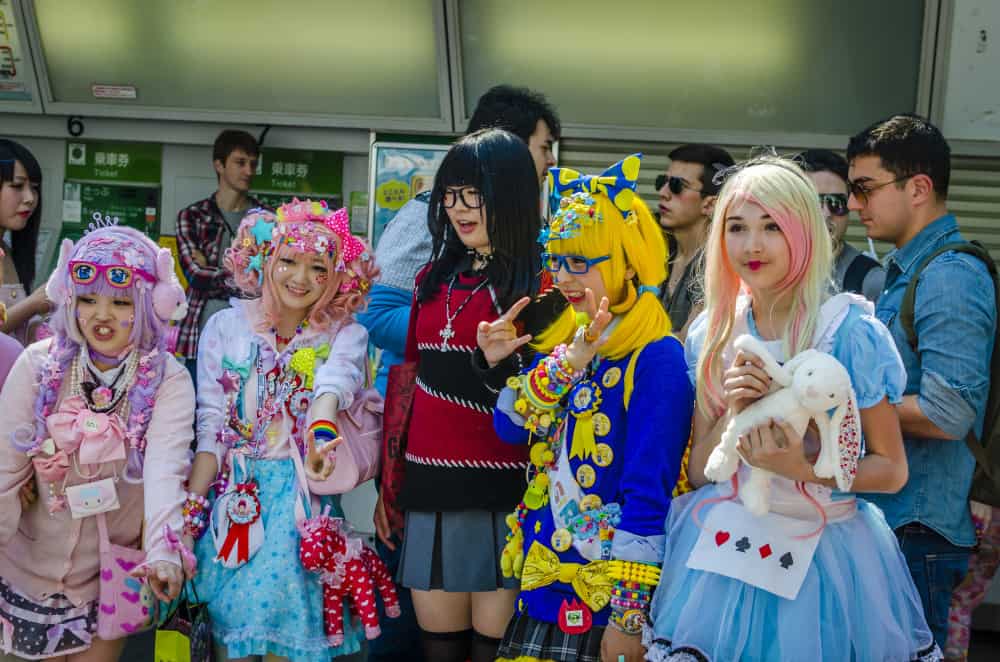
Harajuku
Specifically, Takeshita Street (officially Harajuku Takeshita-dori Shotenkai) is a famous 350-meter pedestrian shopping street in Harajuku, Shibuya City, Tokyo, located directly across from the JR Harajuku Station. It is globally known as the heart of Japan’s youth-driven “Kawaii” (cute) culture and alternative fashion.
Omohara Forest
Omohara Forest is a peaceful rooftop garden located on the 6th floor of the Tokyu Plaza Omotesando “OMOKADO” commercial building in the Harajuku and Omotesando districts of Tokyo, Japan.
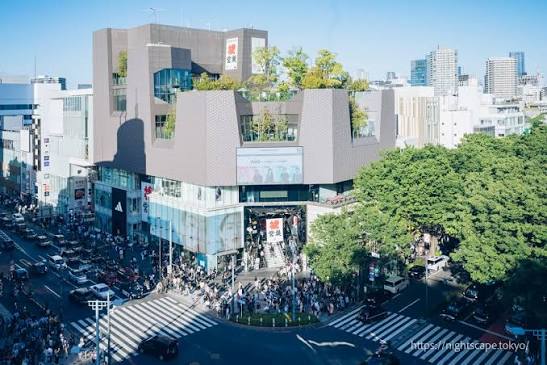
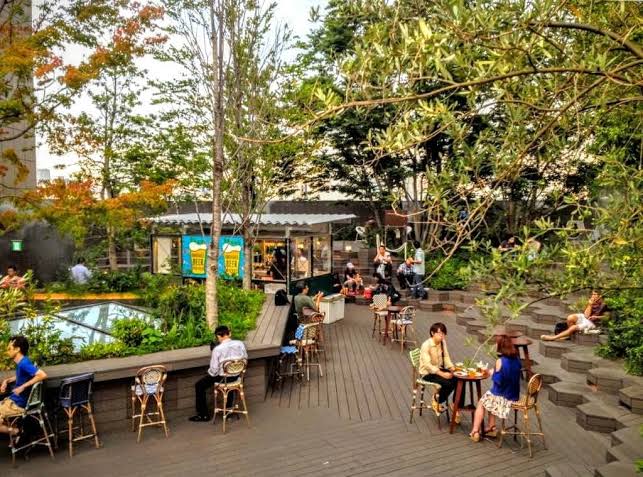
Omohara Forest
Miyashita Park
Miyashita Park is a multi-level public and commercial complex in Shibuya, Tokyo, located just a short 3-minute walk from Shibuya Station. Reopened in July 2020 after a major redevelopment, the 330-meter-long linear structure combines a rooftop public park with a shopping mall, dining streets, and a hotel.
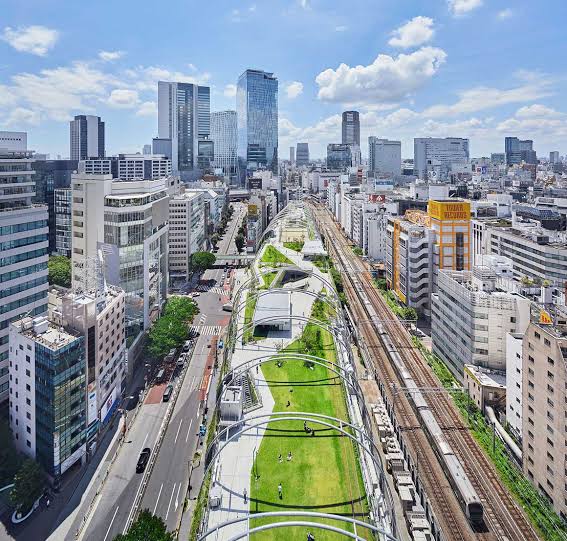
Miyashita Park
Shibuya Parco
Shibuya Parco is a famous multi-level shopping, fashion, art, and pop-culture complex located in Shibuya, Tokyo, Japan. Specifically, we want to go there for the Nintendo store and the Pokémon Center Shibuya.
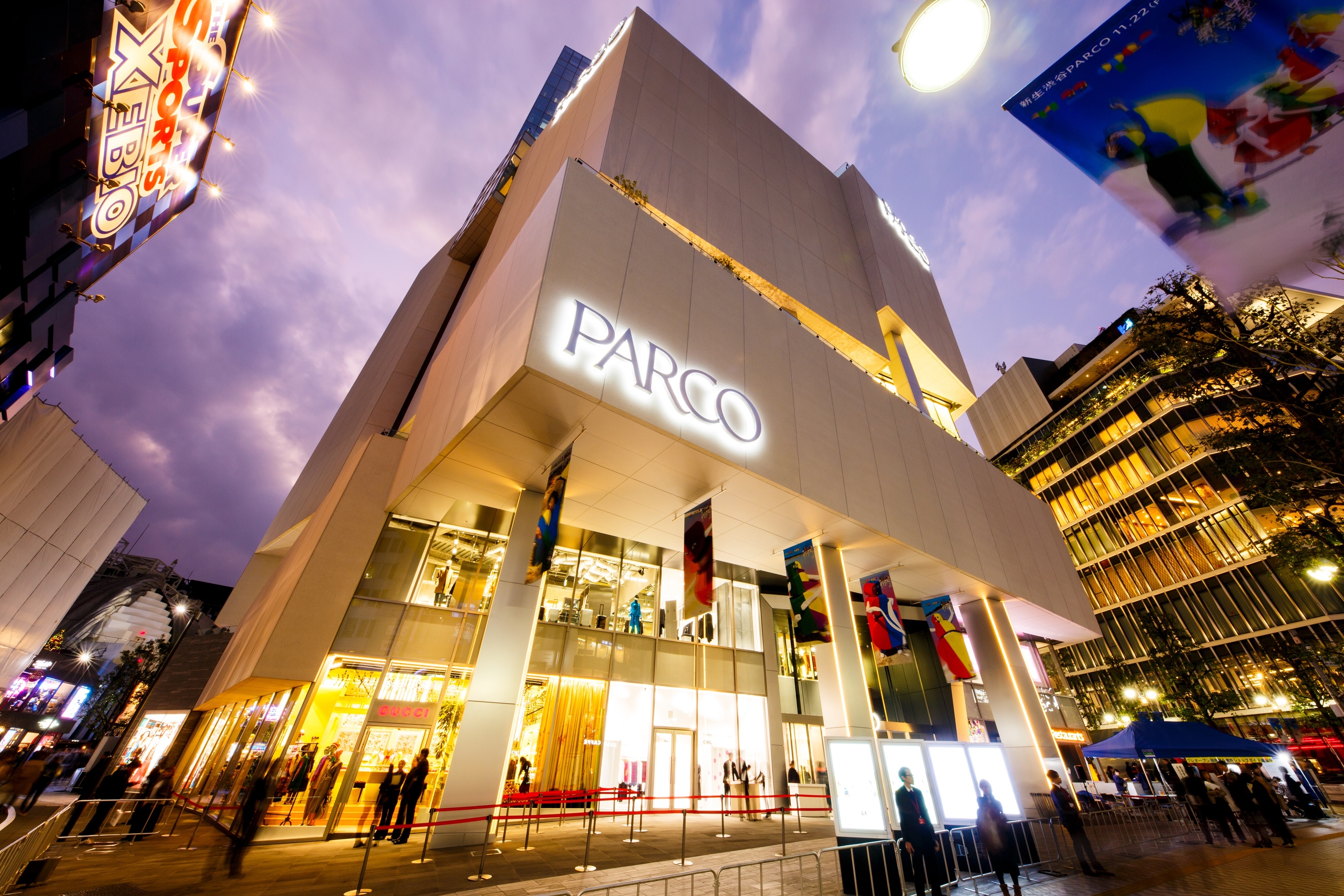
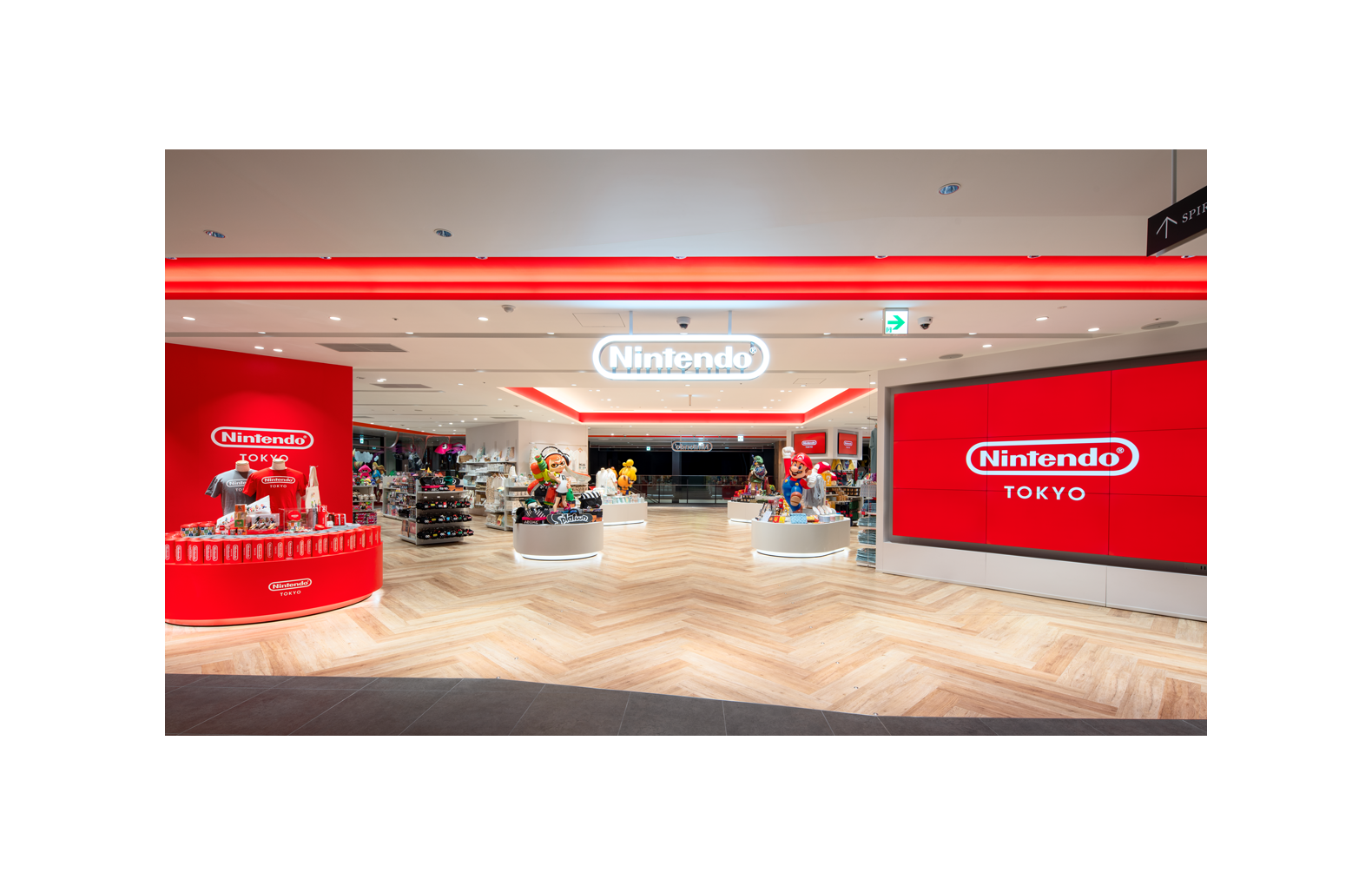
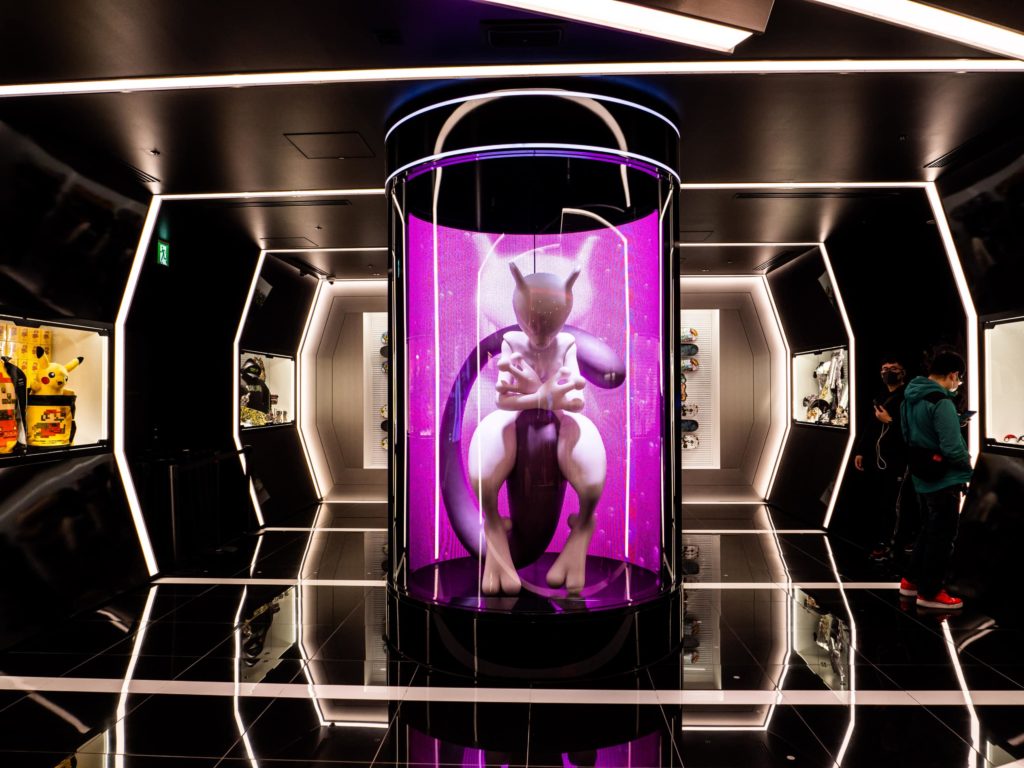
Shibuya Parco
Shibuya Crossing + Hachiko Statue
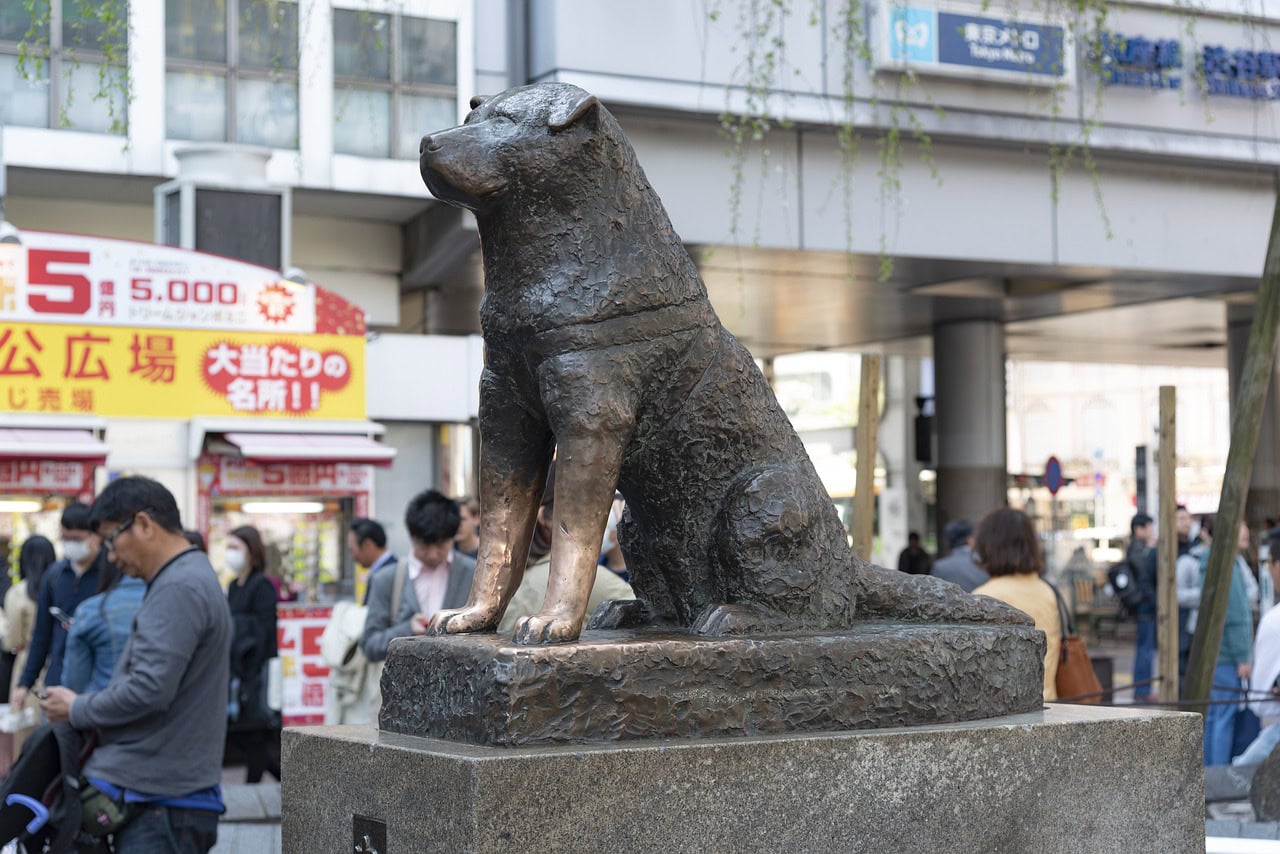
And most important of all, we will go to the famous Shibuya Crossing and see the Hachiko Statue. Shibuya Crossing is one of the busiest pedestrian crossings in the world, located in front of Shibuya Station in Tokyo, Japan. It is famous for the large number of people crossing from all directions when the traffic lights turn red. Hachiko Statue is a bronze statue of Hachikō, an Akita dog known for his remarkable loyalty to his owner, located near the Shibuya Station in Tokyo, Japan. It has become a popular meeting spot and symbol of loyalty and devotion.
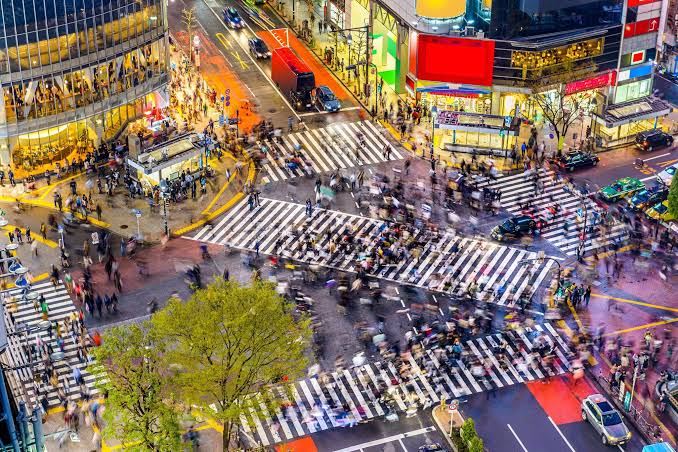
Shibuya Crossing
Day 15
Sensō-ji Temple
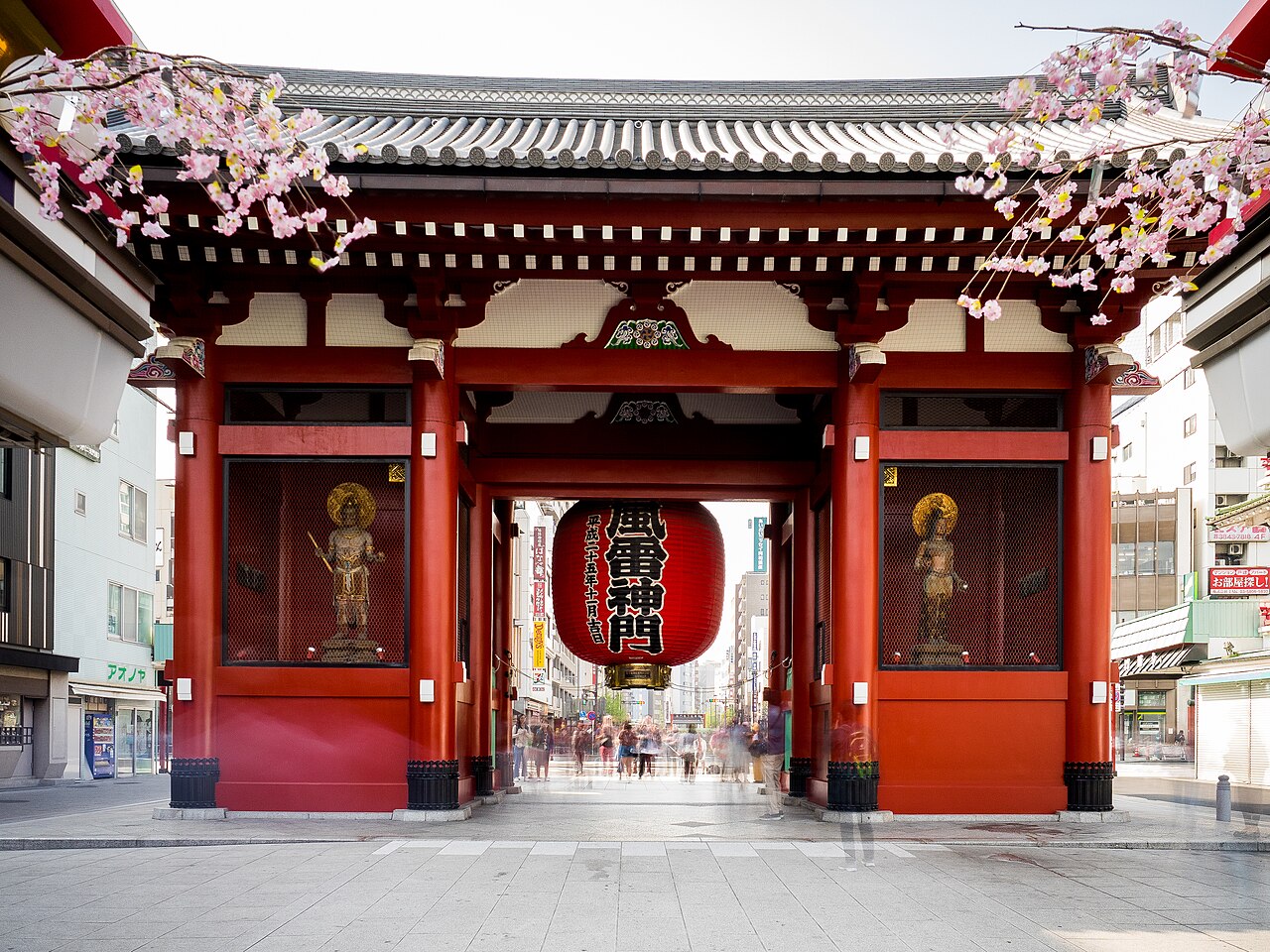
Senso-ji (also called Asakusa Kannon Temple) is Tokyo’s oldest Buddhist temple, originally founded in 628 AD in the Asakusa district. Dedicated to Kannon Bosatsu (the Bodhisattva of Mercy and Compassion), whose sacred golden statue was reportedly found in the nearby Sumida River by two fishermen in 628. The origin legend: After the brothers repeatedly tried to return the statue to the river and it miraculously came back to them, the local village chief enshrined it for public worship.
Main Attractions:
- Kaminarimon (Thunder Gate): The iconic outer entrance featuring a massive 700 kg red paper lantern.
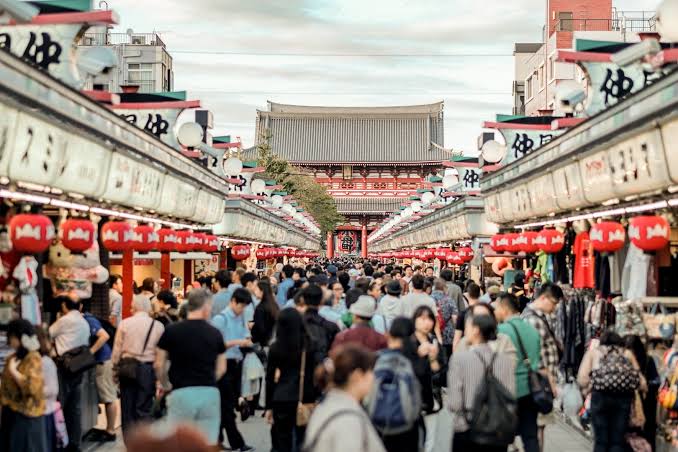
- Nakamise-dori: A historic, bustling shopping street leading up to the temple filled with traditional snacks, sweets, and souvenirs.
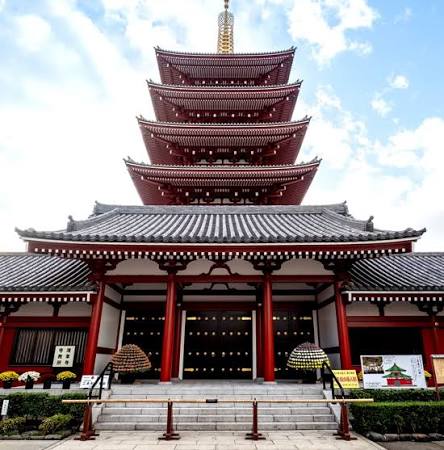
- Hozomon Gate & Five-Storied Pagoda: Major architectural landmarks within the inner temple grounds.
- Main Hall (Hondo): Where worshippers gather to pray and offer incense (which is traditionally wafted over the body for health and healing).
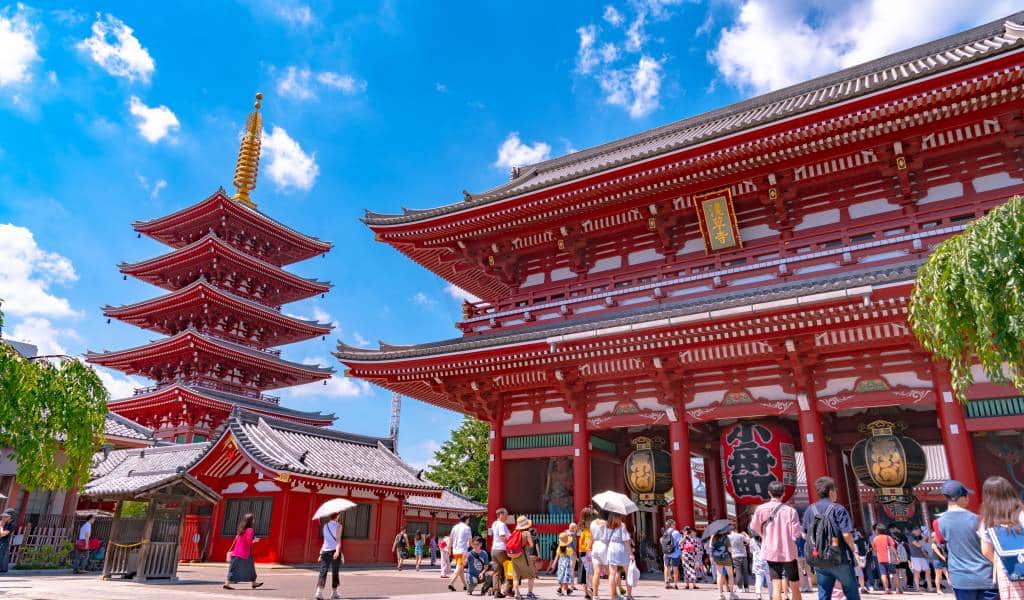
Sensō-ji Temple
Kappabashi Kitchen Supply Town
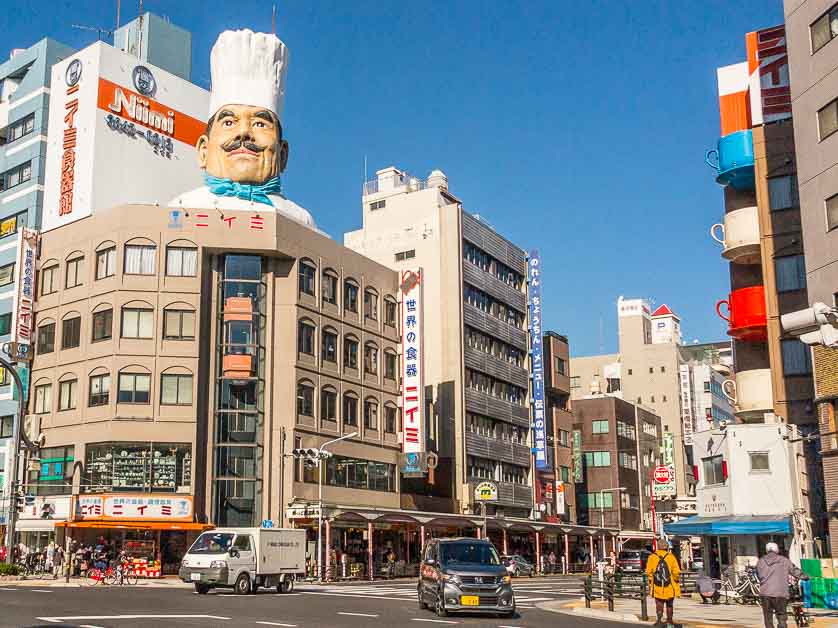
When we have time, we will go to Kappabashi Kitchen Supply Town. It is a shopping street in Tokyo, Japan, that specializes in kitchenware and restaurant supplies. Since my parents own a restaurant, it seems fun to go to a Japanese equivalent of a kitchen supply store.
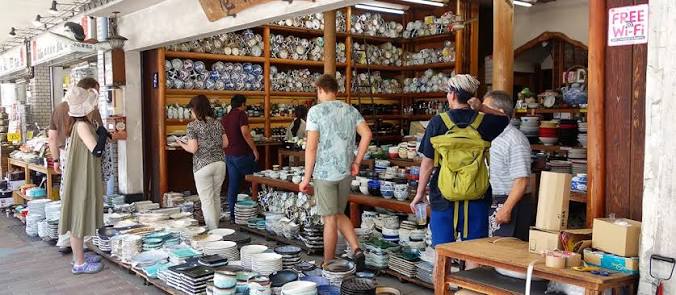
Kappabashi Kitchen Supply Town
Edo-Tokyo Museum
The Edo-Tokyo Museum is a large history museum in Tokyo, Japan, that showcases the city’s 400-year transformation from the samurai-era Edo period into a modern metropolis.
Visitors can walk across a full-scale model of the Nihonbashi (a famous historic bridge) and see a replica of the traditional Nakamura-za theater. The museum displays detailed miniatures of old neighborhoods, buildings, and merchant streets from different eras.
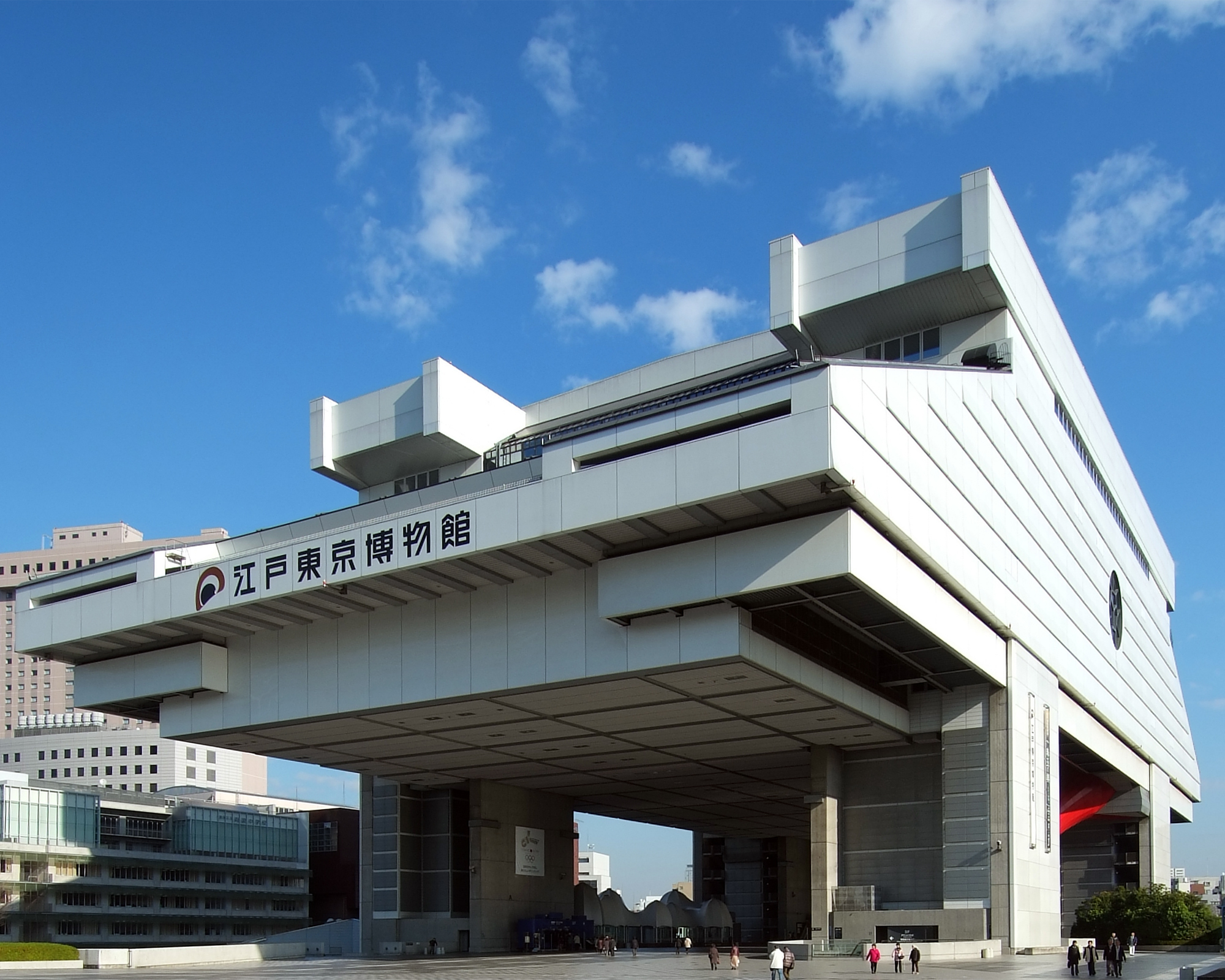
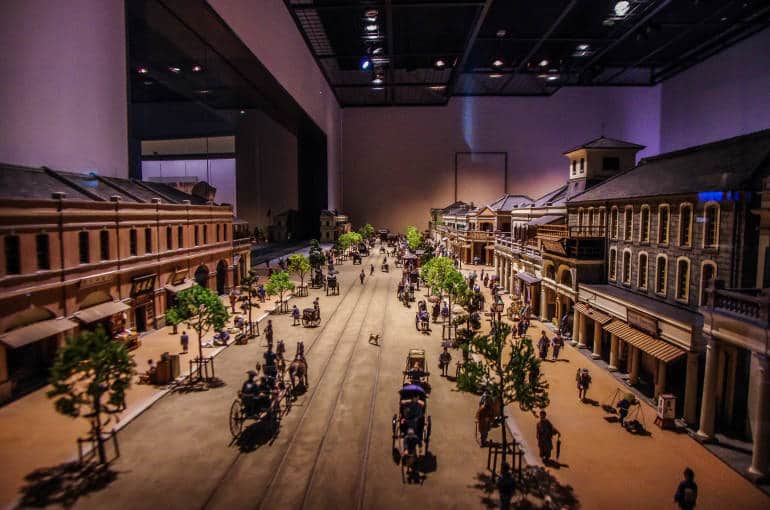
Edo-Tokyo Museum
Sumida River Walk
The Sumida River (Sumida-gawa) is a 27-kilometer-long waterway that flows through central Tokyo, Japan, branching off from the Arakawa River and emptying into Tokyo Bay. We can walk along the Sumida River Walk, which is a scenic riverside promenade that offers views of Tokyo’s skyline, bridges, and landmarks like the Tokyo Skytree.
Tokyo Skytree
From the river walk, we go to the Tokyo Skytree, which is a broadcasting, restaurant, and observation tower in Sumida, Tokyo, Japan. It is the tallest structure in Japan, and has some observation decks that offer panoramic views of the city and beyond. It is a major tourist attraction and a symbol of Tokyo’s modern skyline.
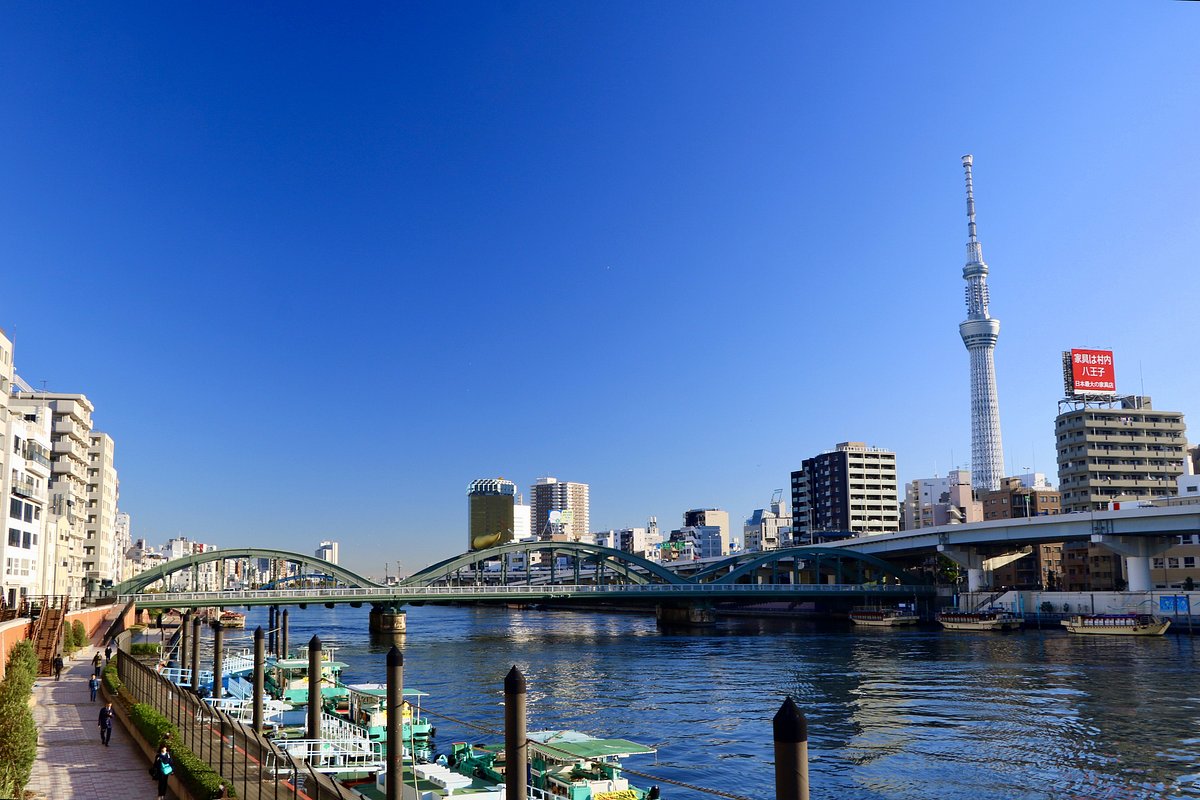
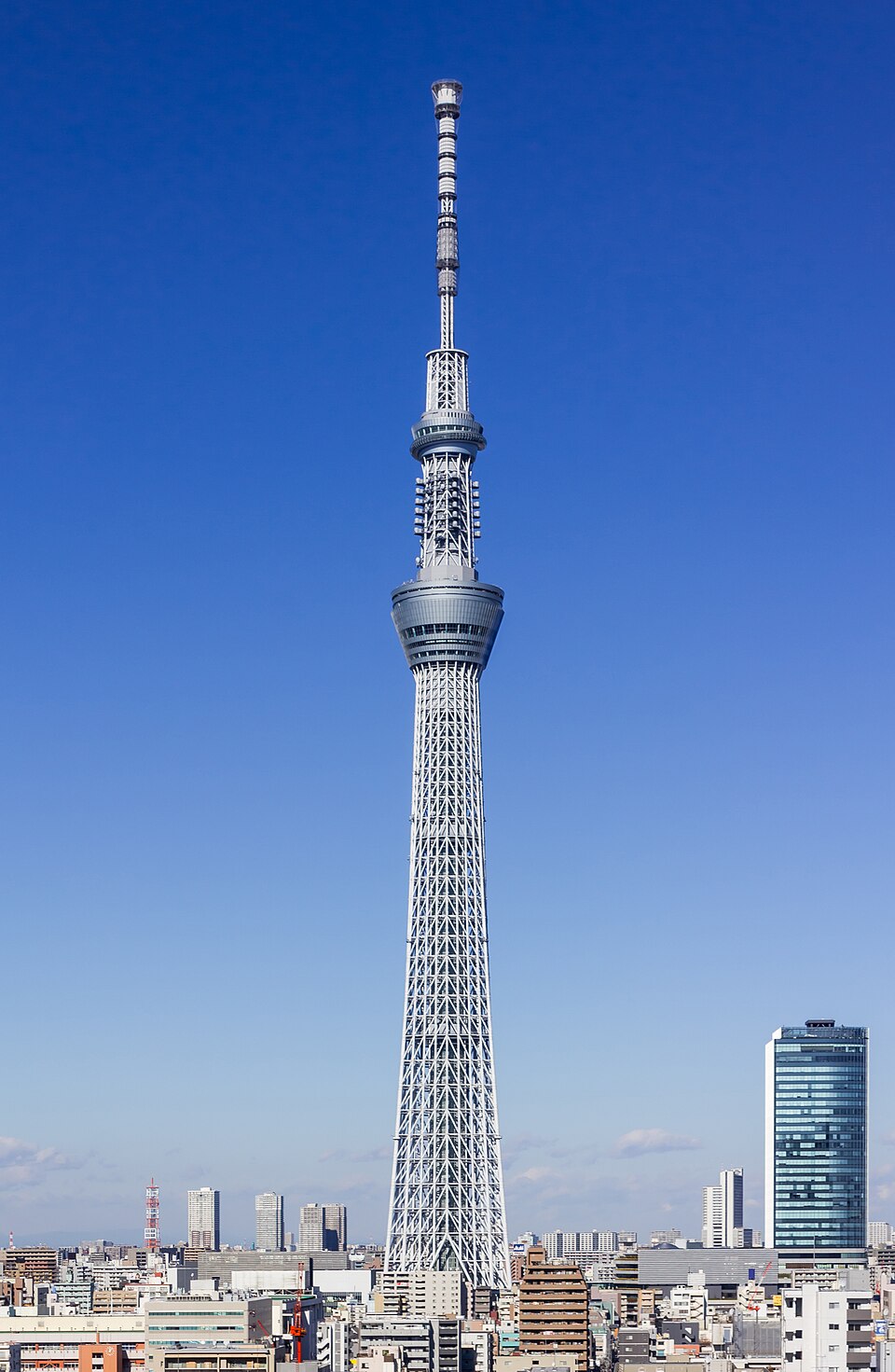
Sumida River Walk
Akihabara
In the evening, we will spend some time in Akihabara, which is a district in central Tokyo, Japan, known for its dense concentration of electronics shops, anime and manga stores, and otaku (geek) culture. This is just some time to go shopping in the area.
Day 16
Okay, so Mount Fuji is of course one of the most iconic landmarks in Japan. And to see it, Kawaguchiko is a great place to go. It is a town located near the base of Mount Fuji, in the Yamanashi Prefecture of Japan. It is famous for its stunning views of Mount Fuji, especially when reflected in Lake Kawaguchi (Kawaguchiko), one of the Fuji Five Lakes. However, the weather needs to be clear to see Mount Fuji. So we booked the train to Mount Fuji on three different days, so we can choose which days to go and cancel the other days if the weather is not good. I will in the schedule now write down the plan for the day if we go to Kawaguchiko.
Kawaguchiko
So we arrive in Kawaguchiko by the scenic train. We plan to arrive in the morning and leave late afternoon.
Arrive at Kawaguchiko Station
Arrive at Kawaguchiko Station, the main transport hub for the Fuji Five Lakes area. The station itself already has great views of Mount Fuji on a clear day and is the starting point for the local sightseeing buses, trains and walking routes around the lake.
Mt. Fuji Panoramic Ropeway
Walk towards the lakeside and take the Mt. Fuji Panoramic Ropeway up Mount Tenjo. The ride is short, but the viewpoint at the top gives a wide panorama over Lake Kawaguchi and the surrounding mountains. On a clear day, Mount Fuji dominates the view from the opposite side.
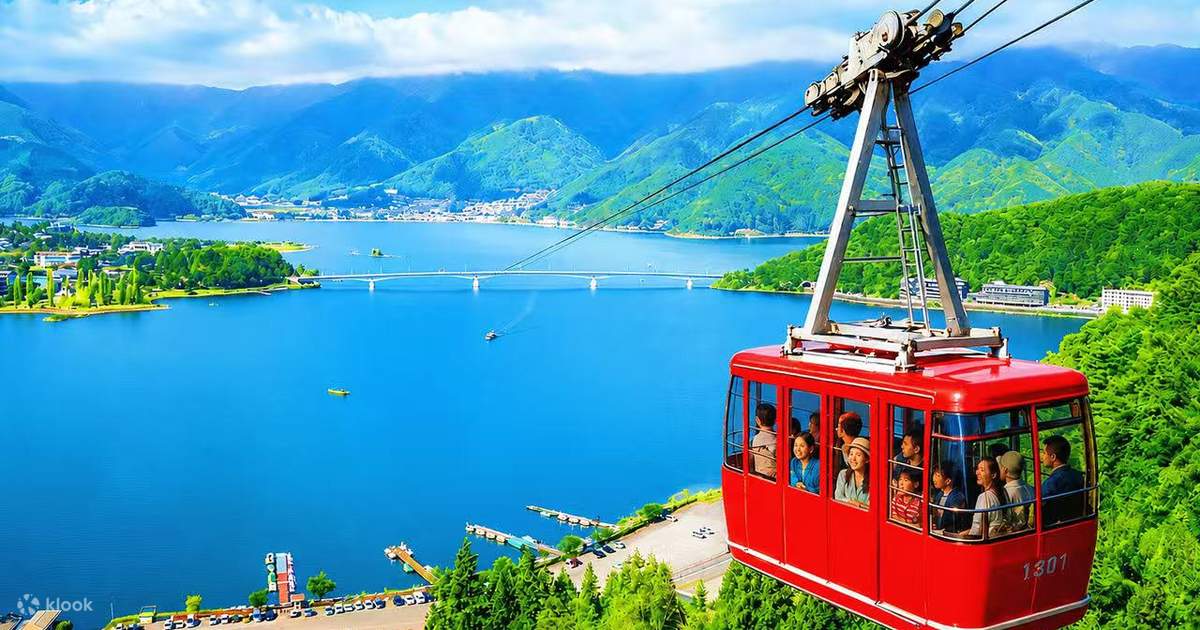
Mt. Fuji Panoramic Ropeway
Lake Kawaguchi
Spend some time walking along the shore of Lake Kawaguchi, one of the five lakes surrounding Mount Fuji. The lake is known for its peaceful scenery and reflections of Mount Fuji, especially when the water is calm. There are also several viewpoints, cafés and small shops along the lakeside.
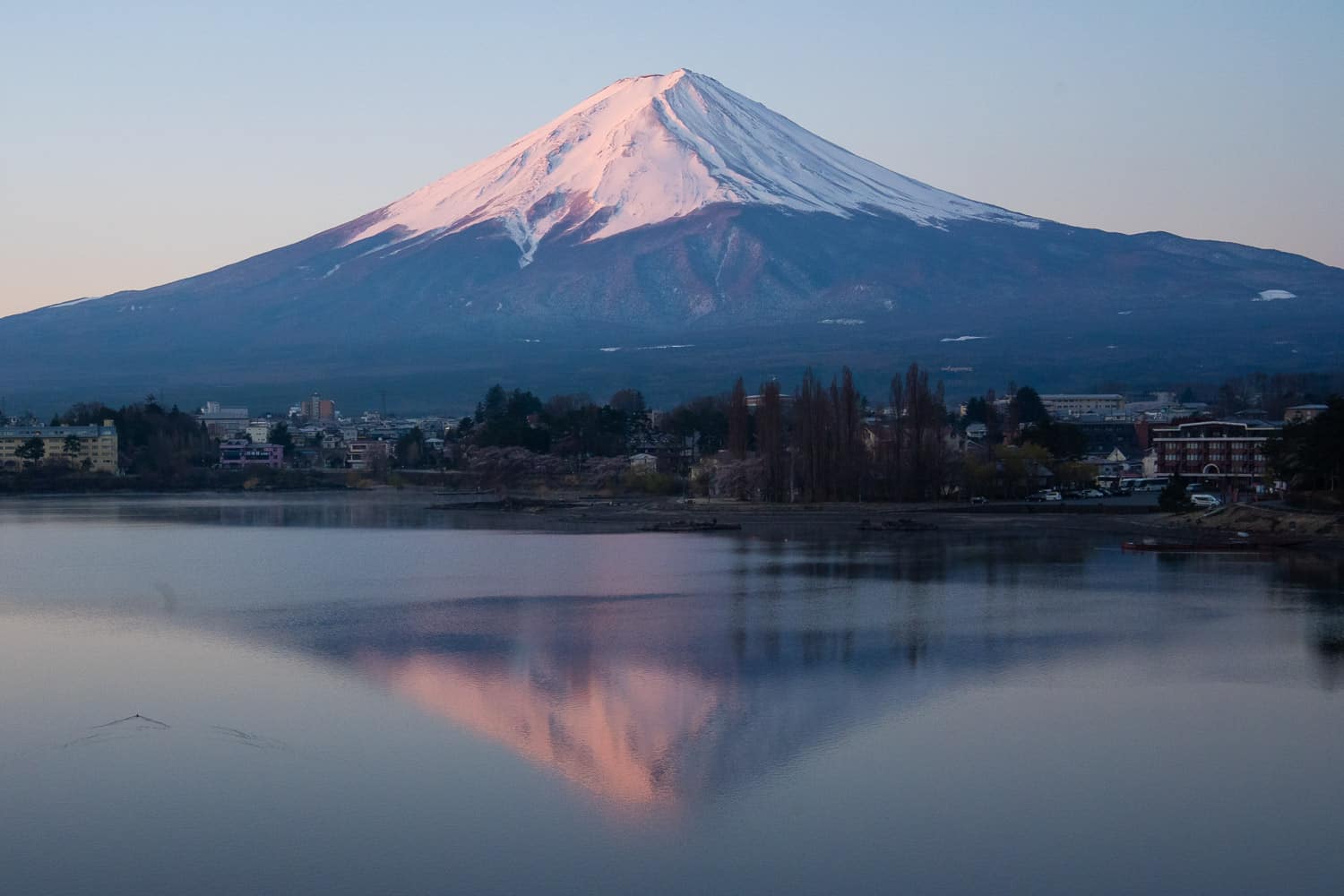
Lake Kawaguchi
Hoto Noodles Lunch
Stop for lunch and try hōtō, a traditional dish from Yamanashi Prefecture. It consists of thick, flat noodles cooked in a miso-based broth with vegetables such as pumpkin, mushrooms and cabbage. It is a very typical local meal and especially fitting in the cooler autumn weather.
Oishi Park
Continue to Oishi Park on the northern shore of Lake Kawaguchi. This is one of the best places in the area for an unobstructed view of Mount Fuji across the lake. The park is also known for its seasonal flowers, gardens and autumn colours, which make the view especially scenic in October.
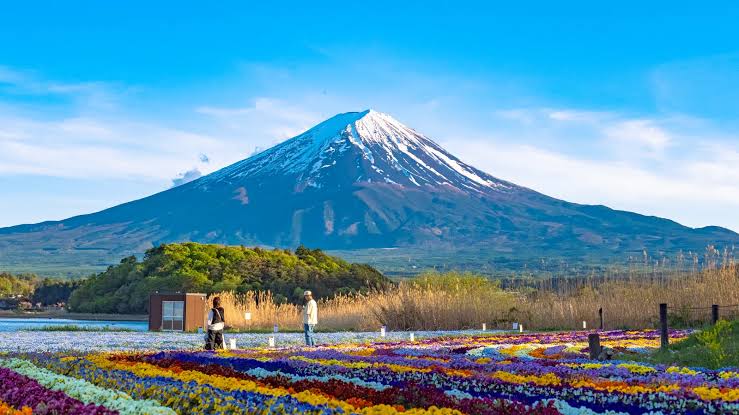
Oishi Park
Chureito Pagoda & Arakurayama Sengen Park
Head back towards Kawaguchiko Station and take the local train to Shimoyoshida. From there, walk up through Arakurayama Sengen Park to Chureito Pagoda. The five-storey red pagoda with Mount Fuji in the background is one of the most iconic views in Japan. The viewpoint requires a climb, but the panorama over Fujiyoshida and Mount Fuji makes it worthwhile.
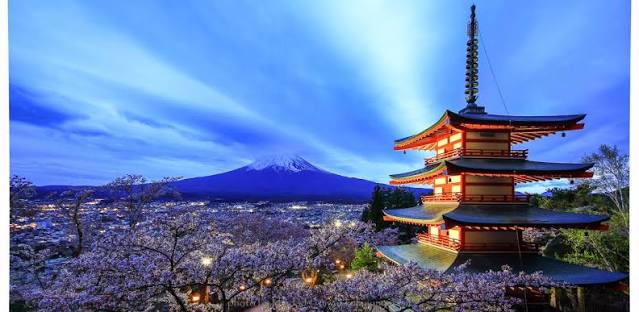
Chureito Pagoda
Then afterwards return to Kawaguchiko Station and take the train back to Tokyo.
Day 17
This day we also booked Kawaguchiko train, just in case. But if we do not go to Kawaguchiko this day, we have two other options. We can either hang out in Tokyo, and this will then be a buffer day to further explore the city. Or we can go to Kamakura, which is a coastal town south of Tokyo, only about an hour away by train. If we go to Kamakura this is our plan.
Komachi Street
Start at Kamakura Station and walk through Komachi Street, the lively shopping street leading toward Tsurugaoka Hachimangu. It is lined with small food stalls, cafés, souvenir shops and traditional stores, so it is a nice introduction to the town.
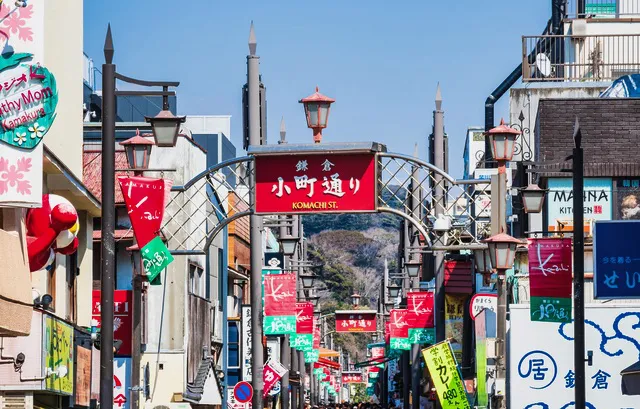
Komachi Street
Tsurugaoka Hachimangu Shrine
Visit Kamakura’s most important Shinto shrine. It sits at the end of the broad Wakamiya-oji avenue and has large gates, ponds and a long staircase leading to the main shrine. Kamakura was once the political centre of Japan under the shogunate, so this is one of the places where that history is most visible.
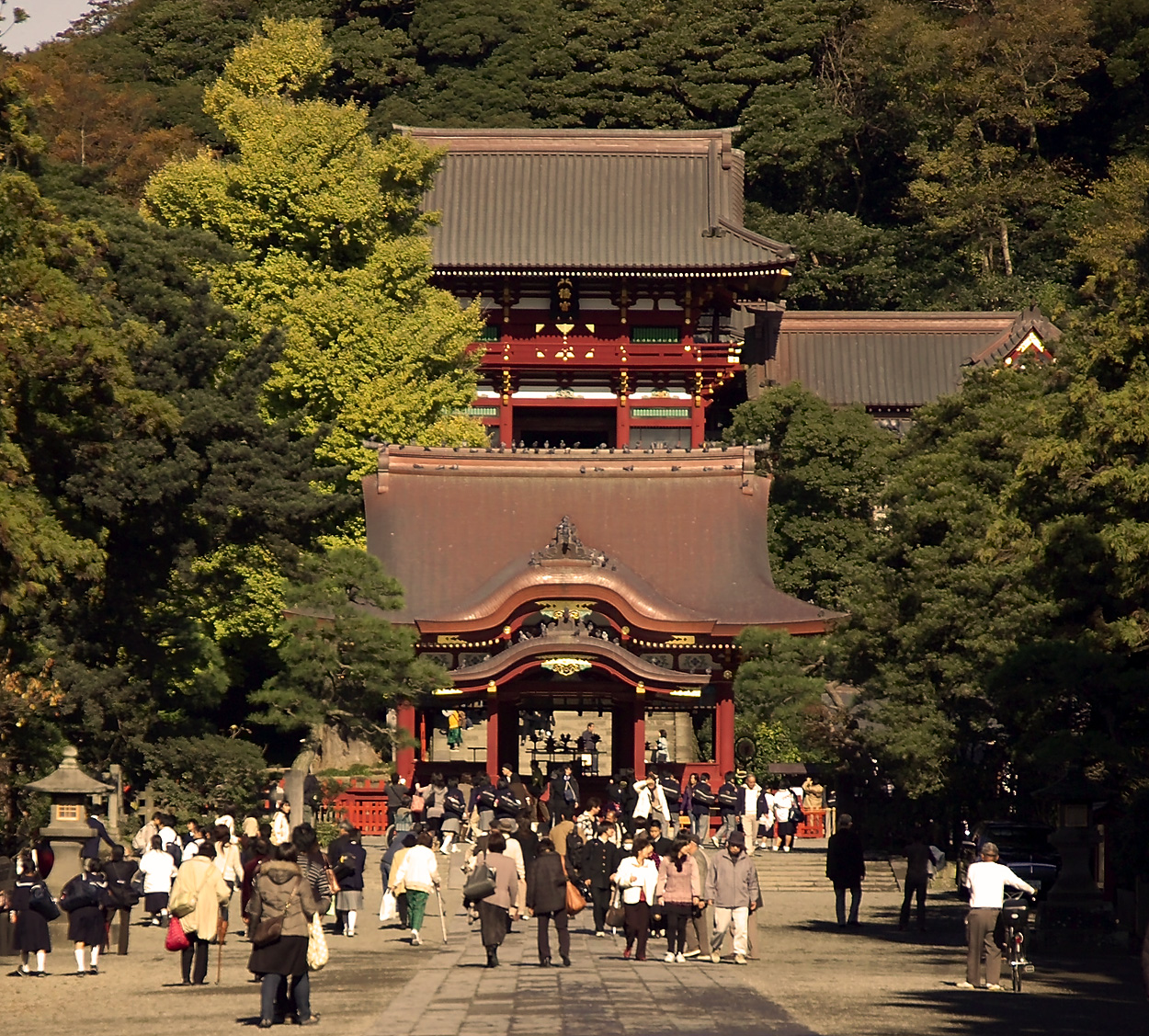
Tsurugaoka Hachimangu Shrine
Hokokuji Temple
Head a little east of the centre to Hokokuji, a Zen temple best known for its peaceful bamboo grove. It is much smaller and quieter than many of the major Kyoto bamboo sights and gives you a different atmosphere from the big shrine complexes.
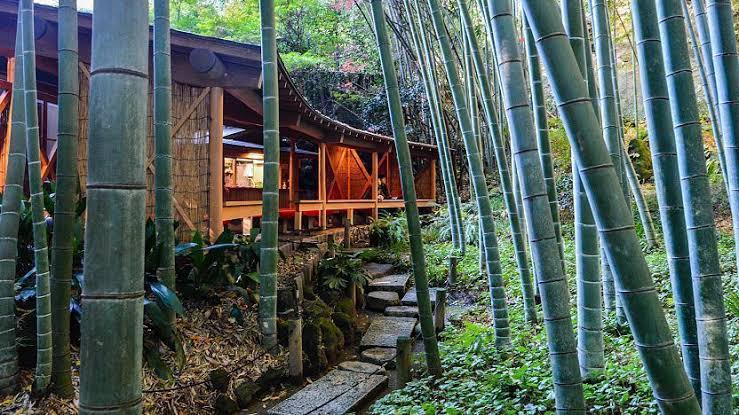
Hokokuji Temple
Central Kamakura Lunch
Return towards Kamakura Station for lunch. Kamakura has lots of small Japanese restaurants and cafés, and Komachi Street is particularly convenient if you want to try several snacks rather than have one large meal.
Enoden train to Hase
Take the Enoden, Kamakura’s small historic railway, from Kamakura Station to Hase. Part of the charm of Kamakura is this little train weaving through residential streets and eventually running along the coast.
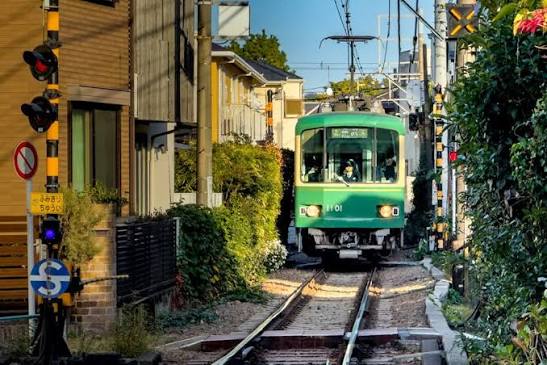
Enoden Train
Kotoku-in Temple and the Great Buddha
Visit the Great Buddha of Kamakura, the enormous bronze seated Buddha at Kotoku-in. It is one of Kamakura’s most famous landmarks and is unusual because the statue now sits completely outdoors after the halls that once surrounded it were destroyed centuries ago.
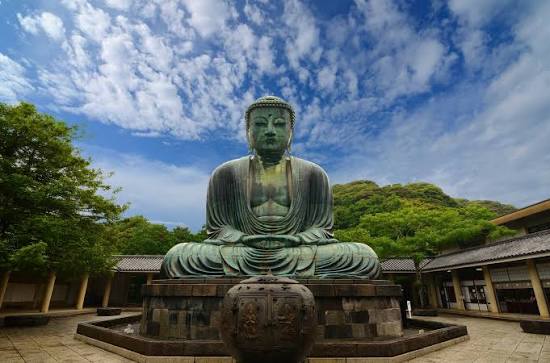
Kotoku-in Temple and Great Buddha
Hase-dera Temple
Walk from the Great Buddha to Hasedera. This temple is built on a hillside and combines gardens, temple buildings, caves and viewpoints over Kamakura and the sea. Its main religious treasure is a huge wooden statue of Kannon.
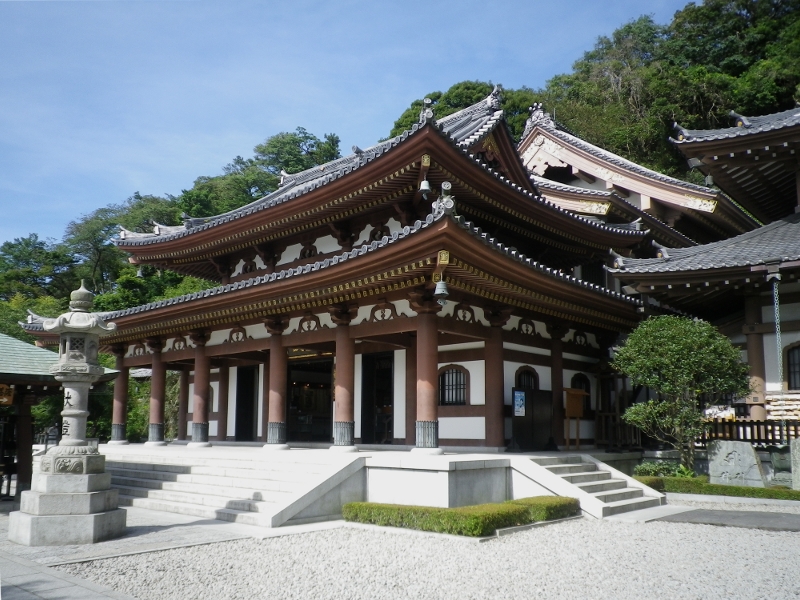
Hase-dera Temple
Yuigahama Beach
From Hase, walk down towards the coast. Yuigahama gives Kamakura a very different feel from Tokyo: temples and old streets on one side, and a long open beach and Sagami Bay on the other.
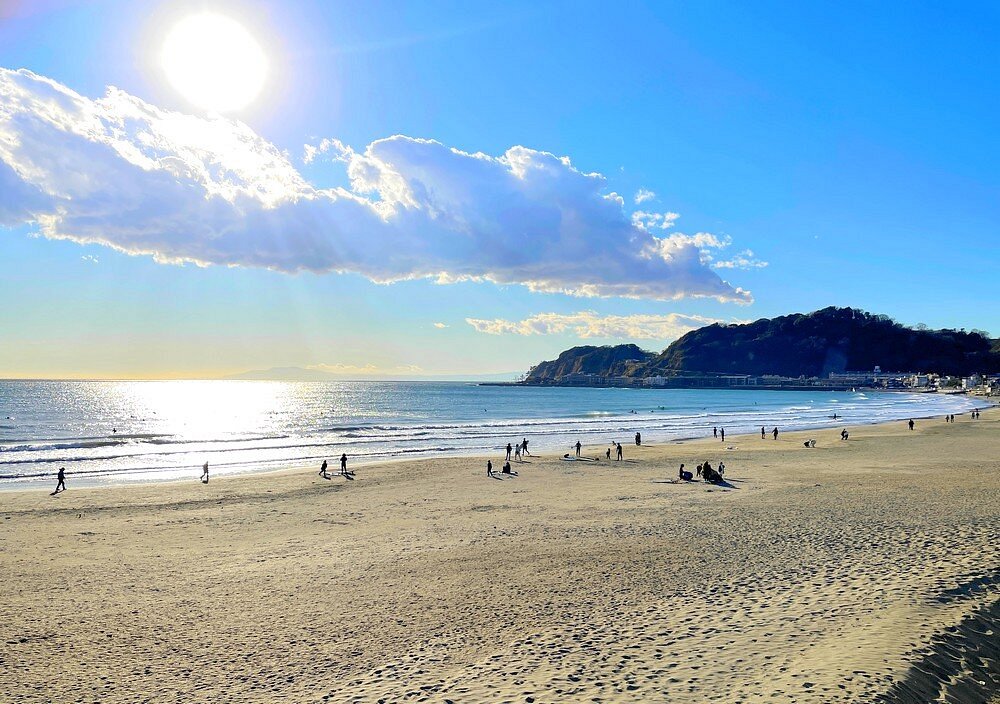
Yuigahama Beach
And afterward return to the station and take the train back to Tokyo.
Day 18
Now another day in Tokyo, where we already booked some stuff, so this will happen on Day 18.
Imperial Palace
The Tokyo Imperial Palace (Kōkyo) is the official primary residence of the Emperor of Japan. Kyūden) for state ceremonies, the Fukiage Palace (the Emperor’s living quarters), private residences for the Imperial Family, archives, and administrative offices. The actual residential and interior buildings are not open to the general public for free-roaming. Public entry to the inner grounds is limited to two special days a year: January 2 (New Year’s Greeting) and February 23 (Emperor’s Birthday), when the Imperial Family appears on the balcony.
There are two areas that are open to the public. The first is the East Gardens. Imperial Palace East National Gardens are a free public green space in central Tokyo built on the historical ruins of Edo Castle. Key features of the East Gardens include the remains of Edo Castle. Massive stone walls, deep moats, the foundation of the former castle keep, and historic guardhouses. Also the Ninomaru Garden, a traditional Japanese landscape featuring a koi pond, waterfall, and seasonal flowers. There is also a museum.
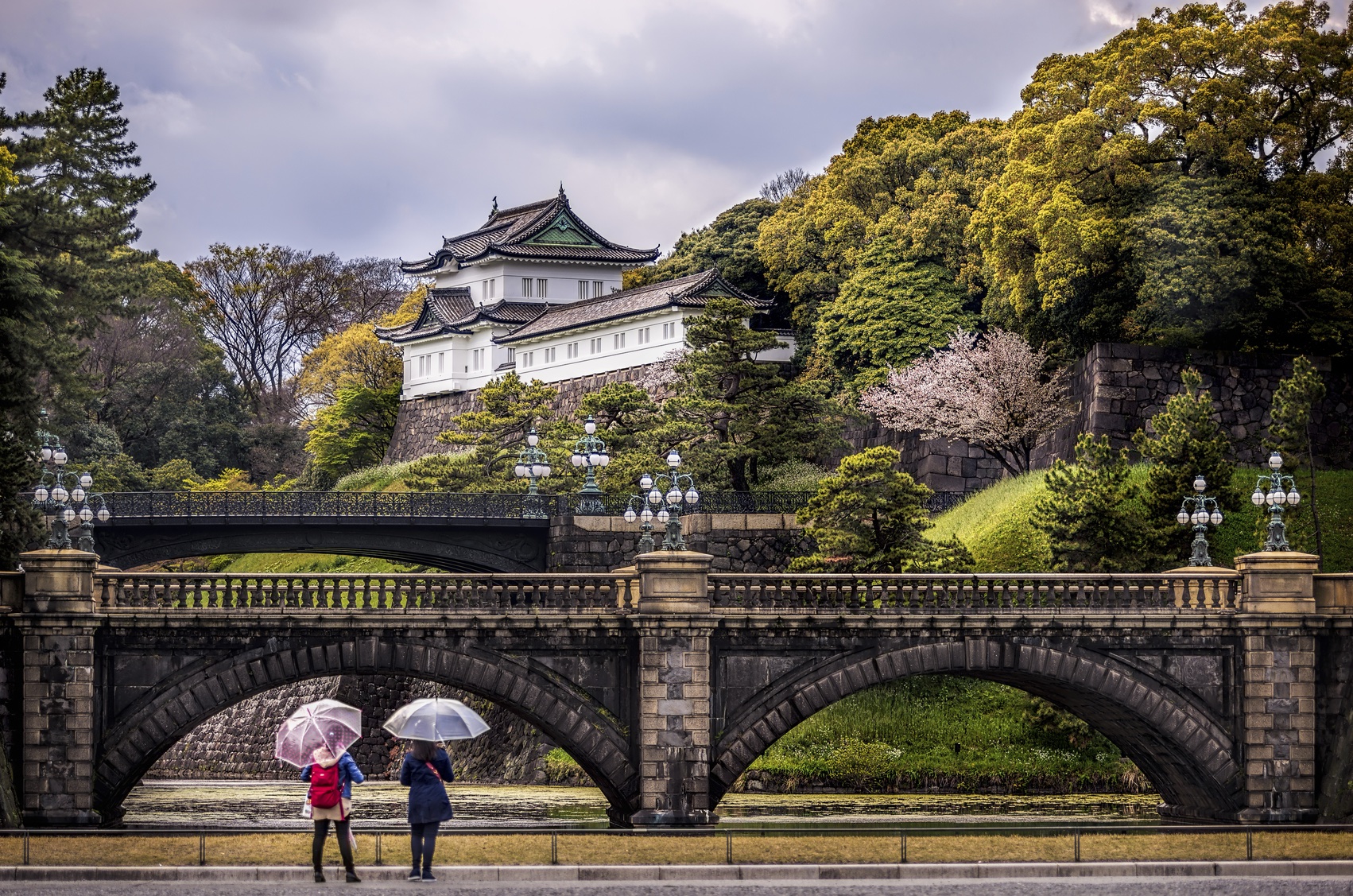
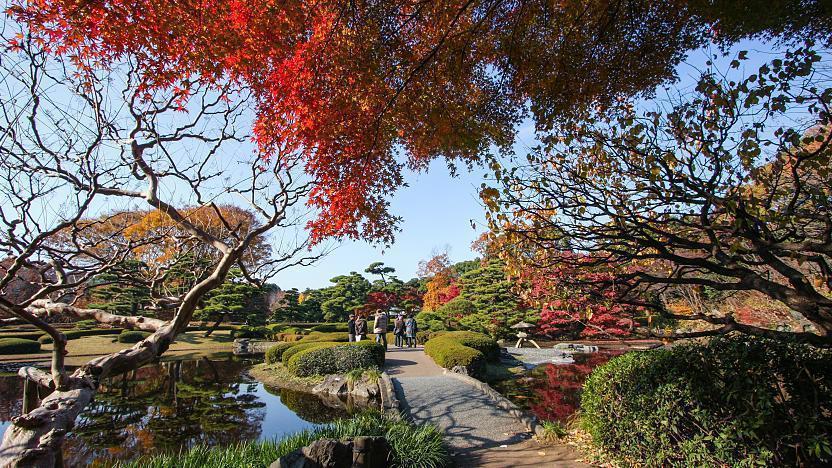
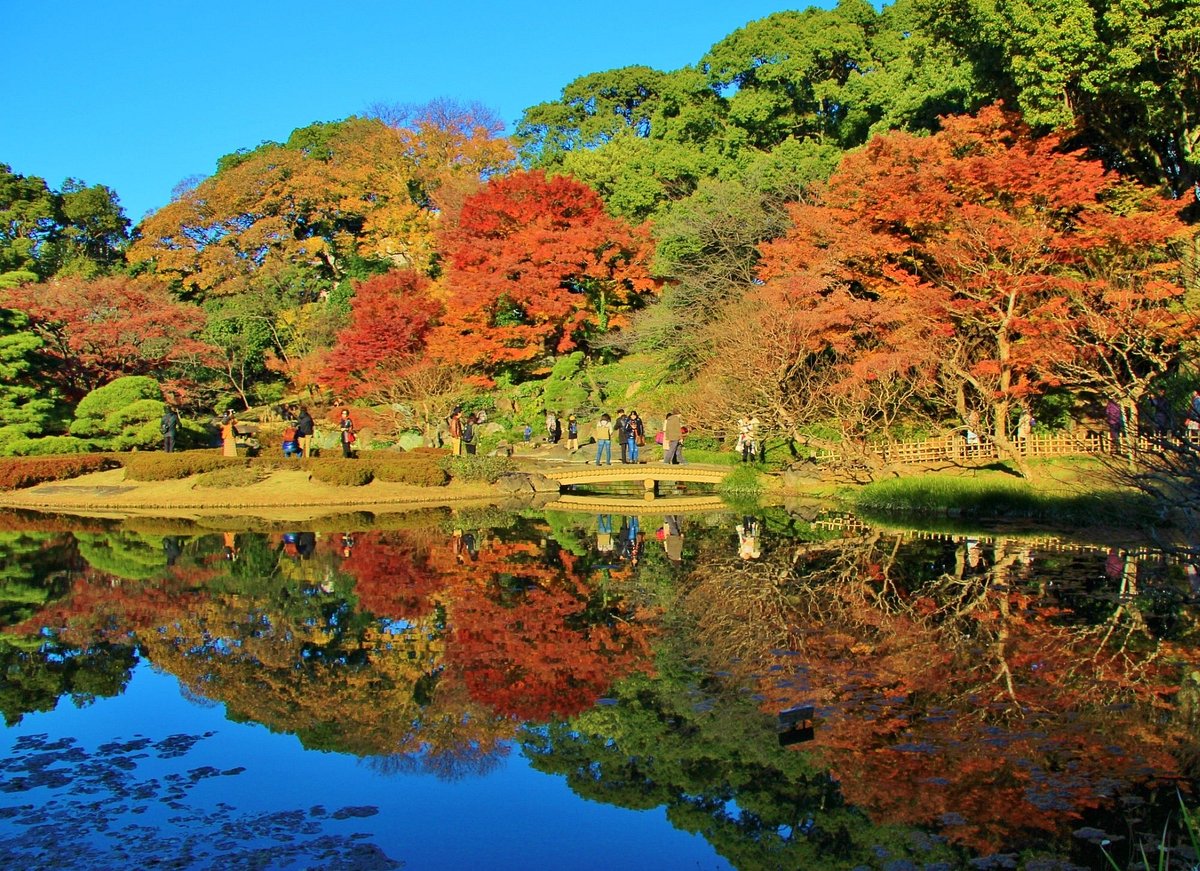
Imperial Palace
Hie Shrine
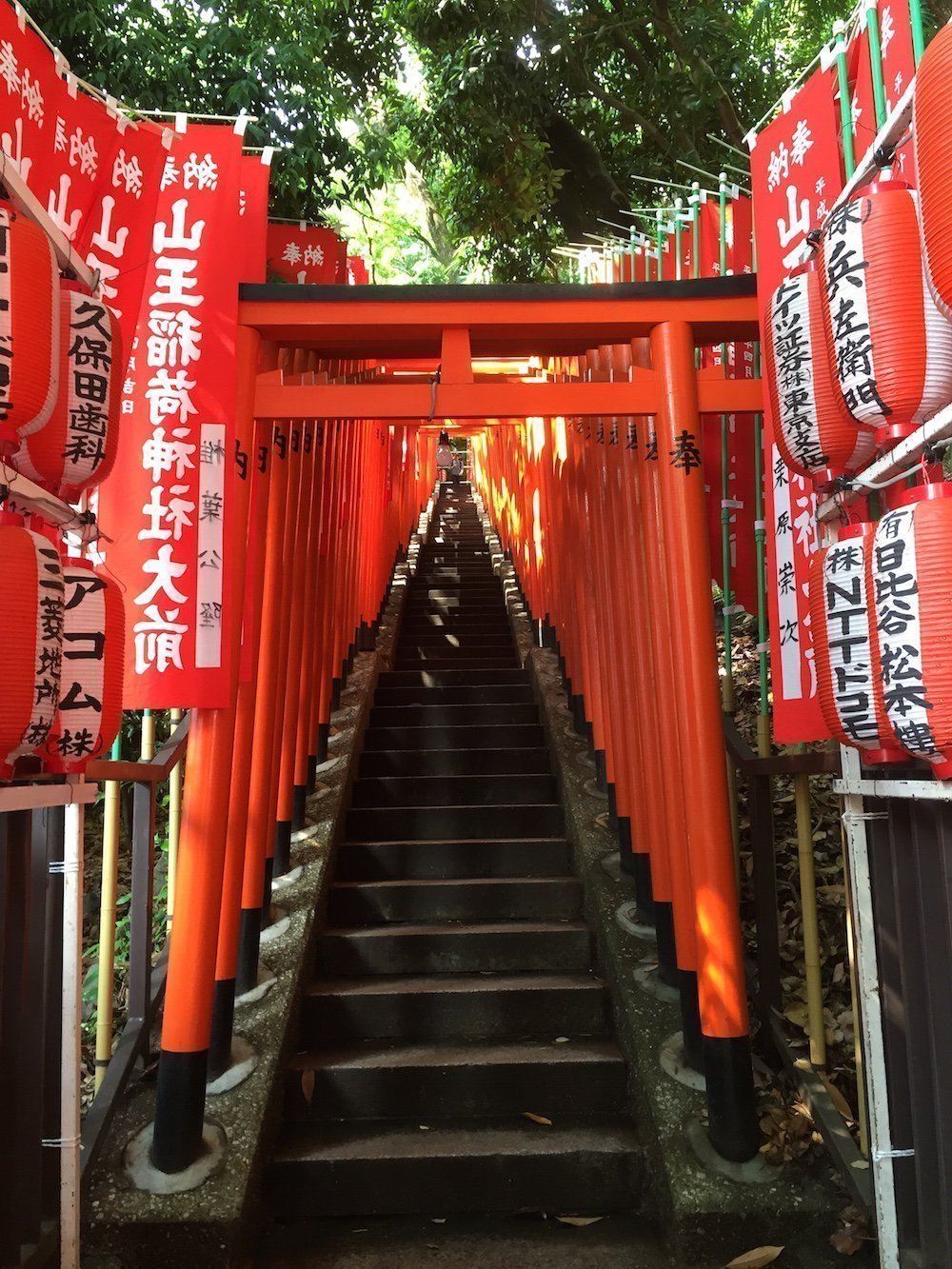
Hie Shrine is a historic Shinto shrine located in the heart of Tokyo. Dedicated to Oyamakui-no-kami, a traditional Shinto god of mountains and water. Founded in 1478 by the samurai warlord Ōta Dōkan, it historically served as the guardian shrine (ujigami) of Edo Castle and the Tokugawa shogunate. One of the main features is a scenic back-entrance path featuring dozens of bright red torii gates (similar to Kyoto’s Fushimi Inari). Additionally there are monkey statues (masaru) that replace the usual guardian dogs (komainu), seen as divine messengers bringing good fortune.
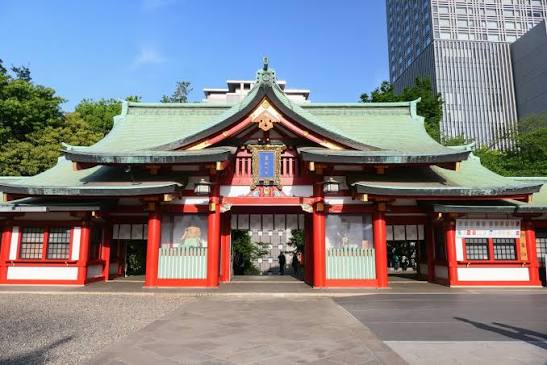
Hie Shrine
Pokémon Café
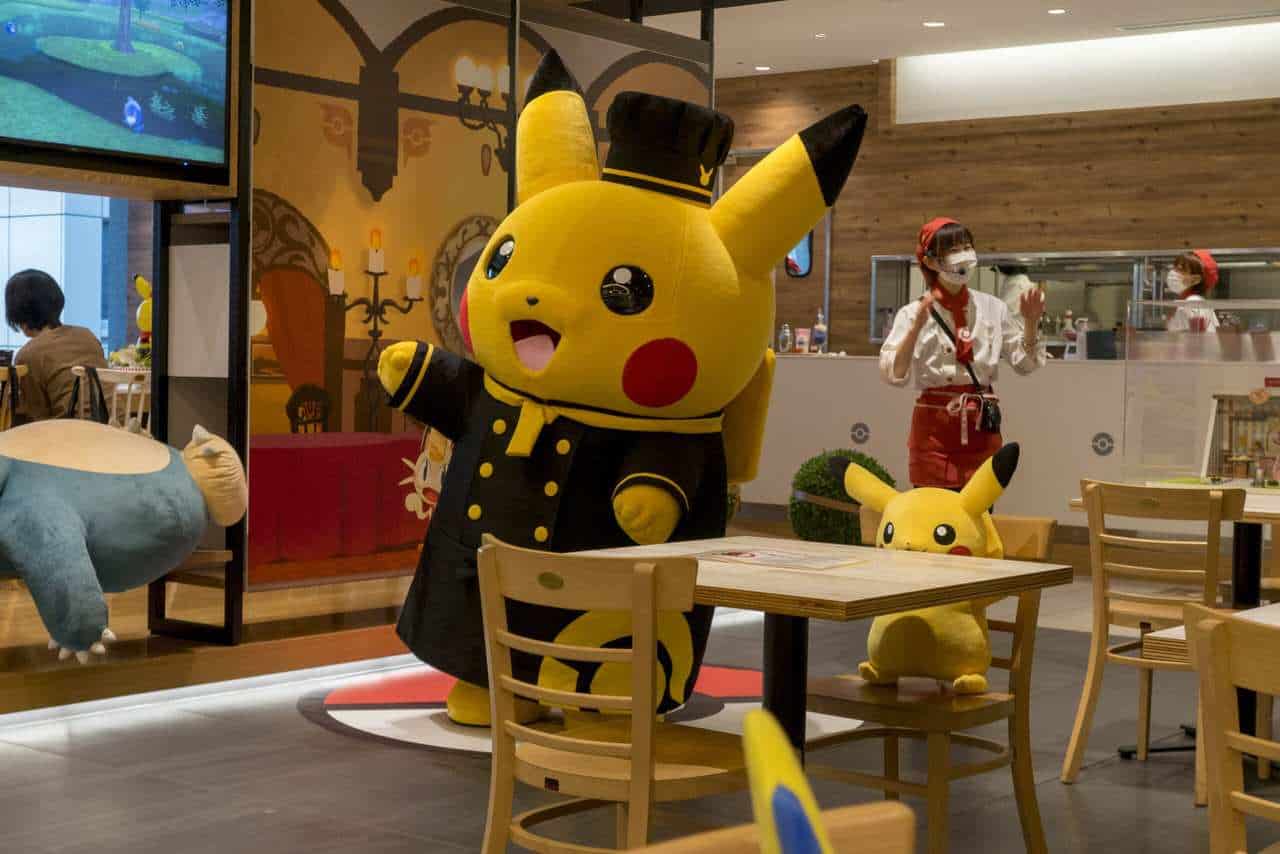
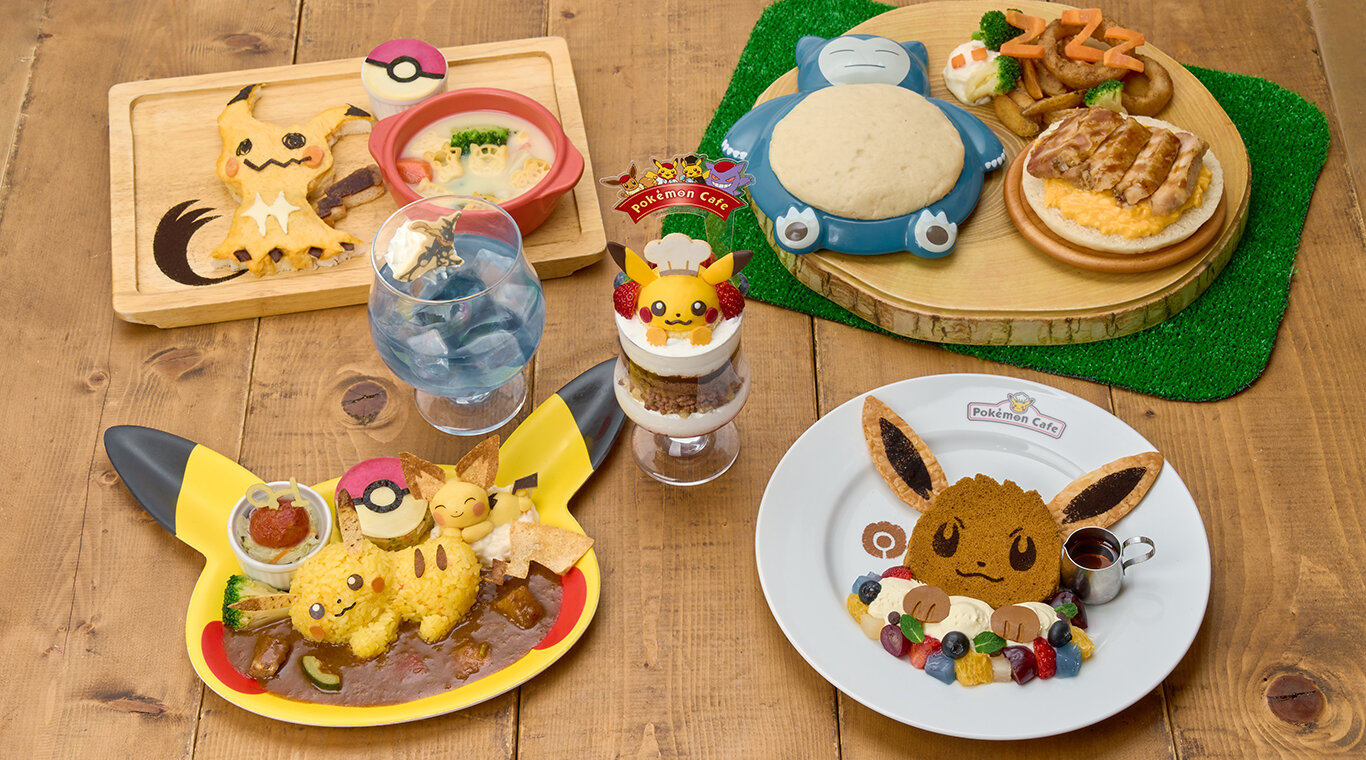
Afterward we will go to the greatest place to eat. The Pokémon Café, which is a themed restaurant in Tokyo. Pikachu is serving the food and all food is Pokémon themed. We battled for a reservation, and we got one, so super hyped for this!
Pokémon Café
Tokyo Character Street
Next stop, Tokyo Character Street, which is a popular underground shopping area located on the basement level of First Avenue Tokyo Station in Chiyoda, Tokyo. It has 30 specialty shops dedicated to famous Japanese and international pop culture franchises, anime, manga, and TV character mascots. You can find Hello Kitty, Pokémon, One Piece, Studio Ghibli, and many more.
Tokyo Character Street
Pokémon Center Tokyo DX
And of course, we cannot miss the Pokémon Center Tokyo DX, which should be closeby. Yes we are visiting every Pokémon Center in Tokyo.
Ginza Area
Next up, more shopping. Ginza is Tokyo’s premier upmarket shopping, dining, and entertainment district, located in the Chūō Ward of Tokyo, Japan. The name comes from gin (silver) and za (guild or mint), as the Japanese government moved its silver coin mint to this location in 1612 during the Edo period. Following a massive fire in 1872 and the 1923 Kantō earthquake, the area was rebuilt with Western-style brick buildings and became a symbol of modern civilization and the birthplace of window-shopping (gin-bura) in Japan. On weekend afternoons, the main thoroughfare (Chūō-dōri) is closed to vehicular traffic, turning the wide street into a pedestrian-only zone for walking and outdoor seating. Home to historic Japanese department stores like Ginza Mitsukoshi, Matsuya Ginza, and Wako (famous for its Hattori clocktower), alongside modern mega-complexes like GINZA SIX and flagship boutiques for international luxury brands. It also features the historic Kabukiza Theatre (the main stage for traditional kabuki performances) and over 100 independent art and design galleries. Renowned for high-end Edomae-style sushi masters, Michelin-starred establishments, historic cafes (like Kissa You), and deep-pocketed cocktail bars tucked into backstreets and beneath railway tracks.
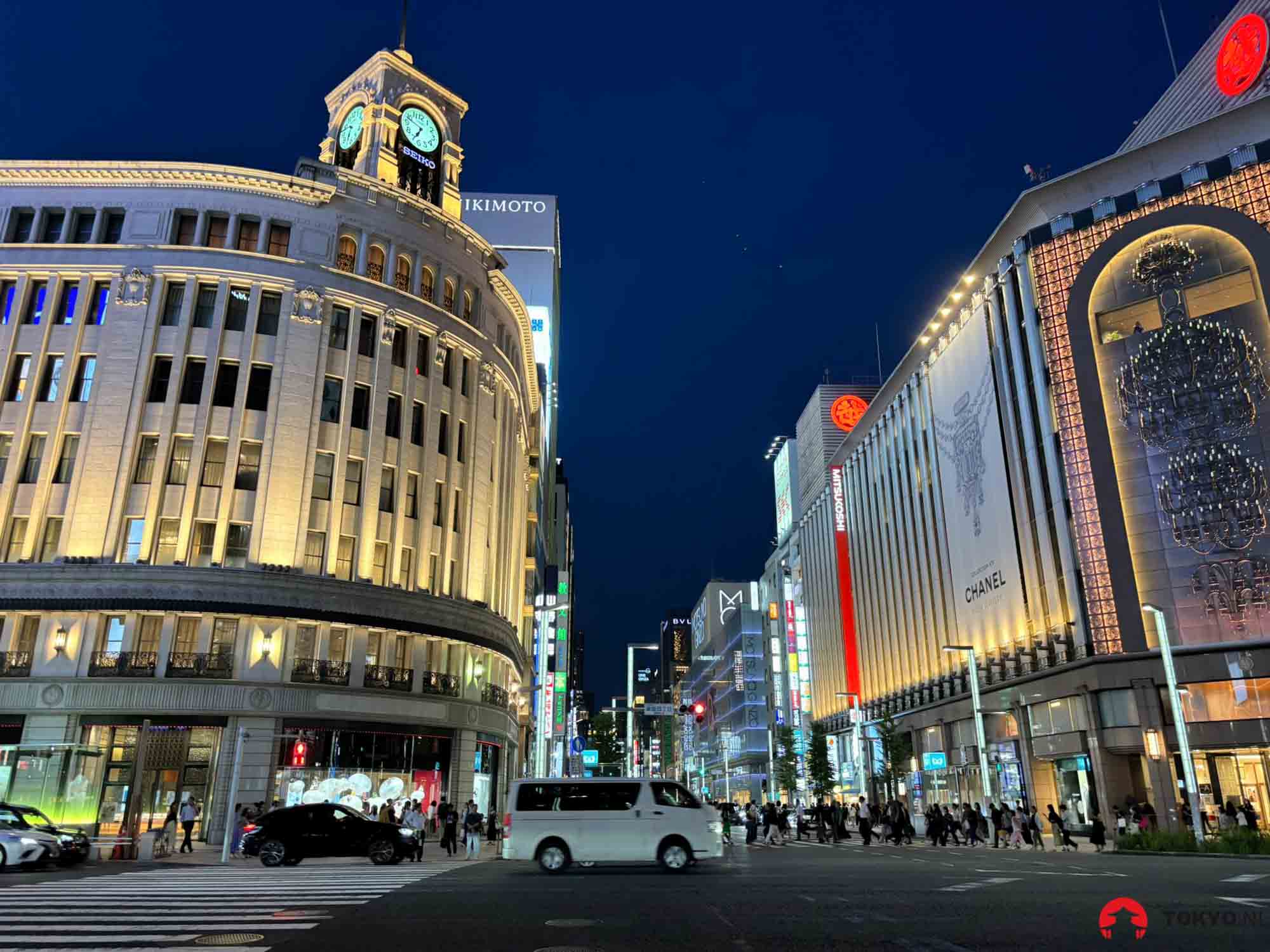
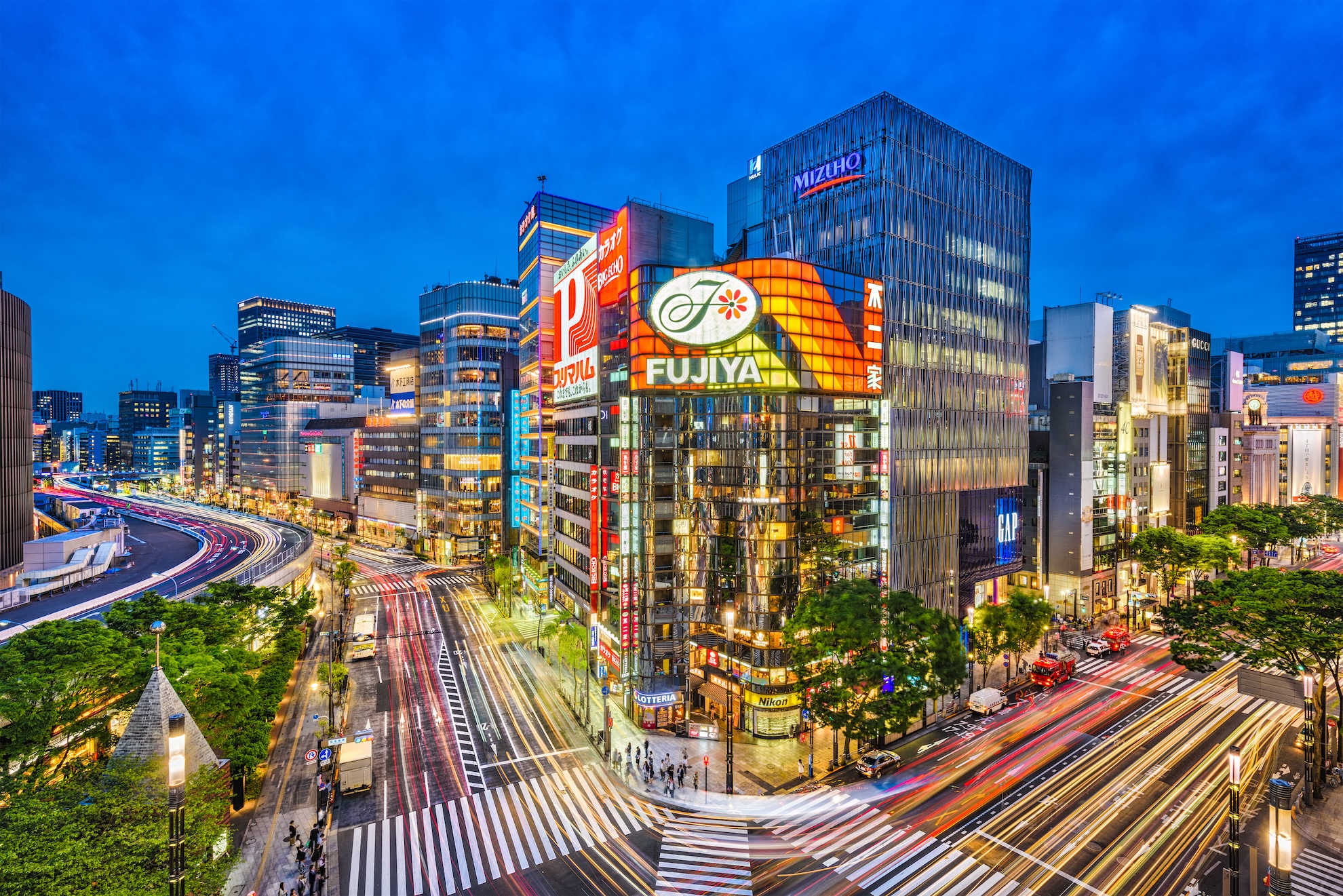
Ginza Area
Azadubai Hills
After some more shopping we will go to Azabudai Hills, which is a modern urban complex in Tokyo, Japan, that combines office buildings, luxury residences, retail spaces, and cultural facilities. The complex is known for its contemporary architecture, landscaped gardens, and public spaces that integrate seamlessly with the surrounding cityscape.
TeamLab Borderless
Inside Azabudai Hills, we will visit TeamLab Borderless, which is a digital art museum in Tokyo, Japan, created by the art collective teamLab. The museum features immersive, interactive installations that use digital technology to create a “borderless” experience where art flows freely across walls, floors, and ceilings. Visitors can walk through the exhibits, which respond to their movements and interactions, creating a unique experience for each visitor. The museum is known for its use of light, sound, and projection mapping to create a sense of wonder and exploration.
Tokyo Tower
From Azabudai Hills, you also get a great view of Tokyo Tower, which is a communications and observation tower in the Shiba-koen district of Minato, Tokyo, Japan. It is the second-tallest structure in Japan and was inspired by the Eiffel Tower in Paris, France. Very iconic and a symbol of Tokyo, the tower is painted white and international orange to comply with air safety regulations.
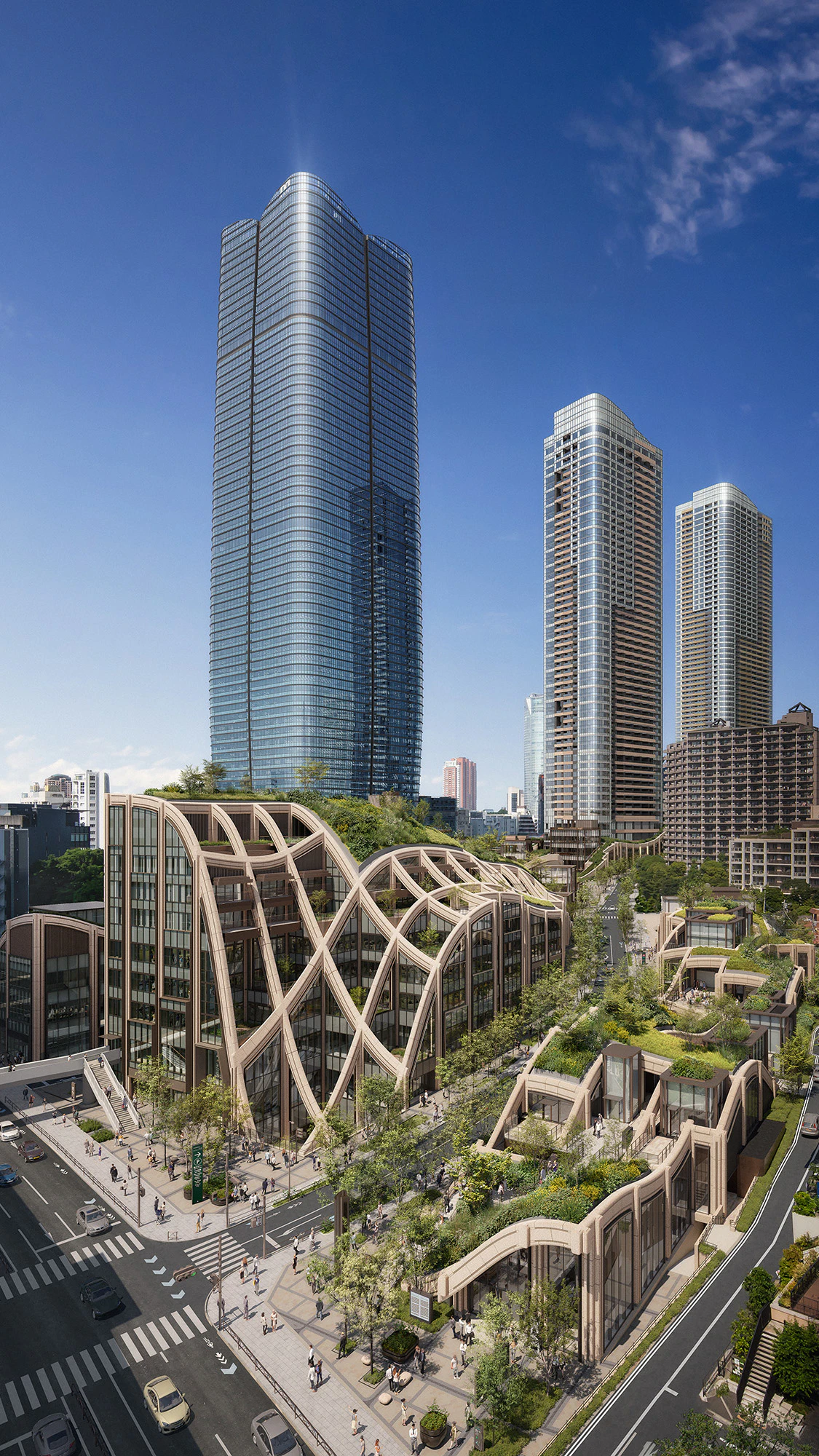
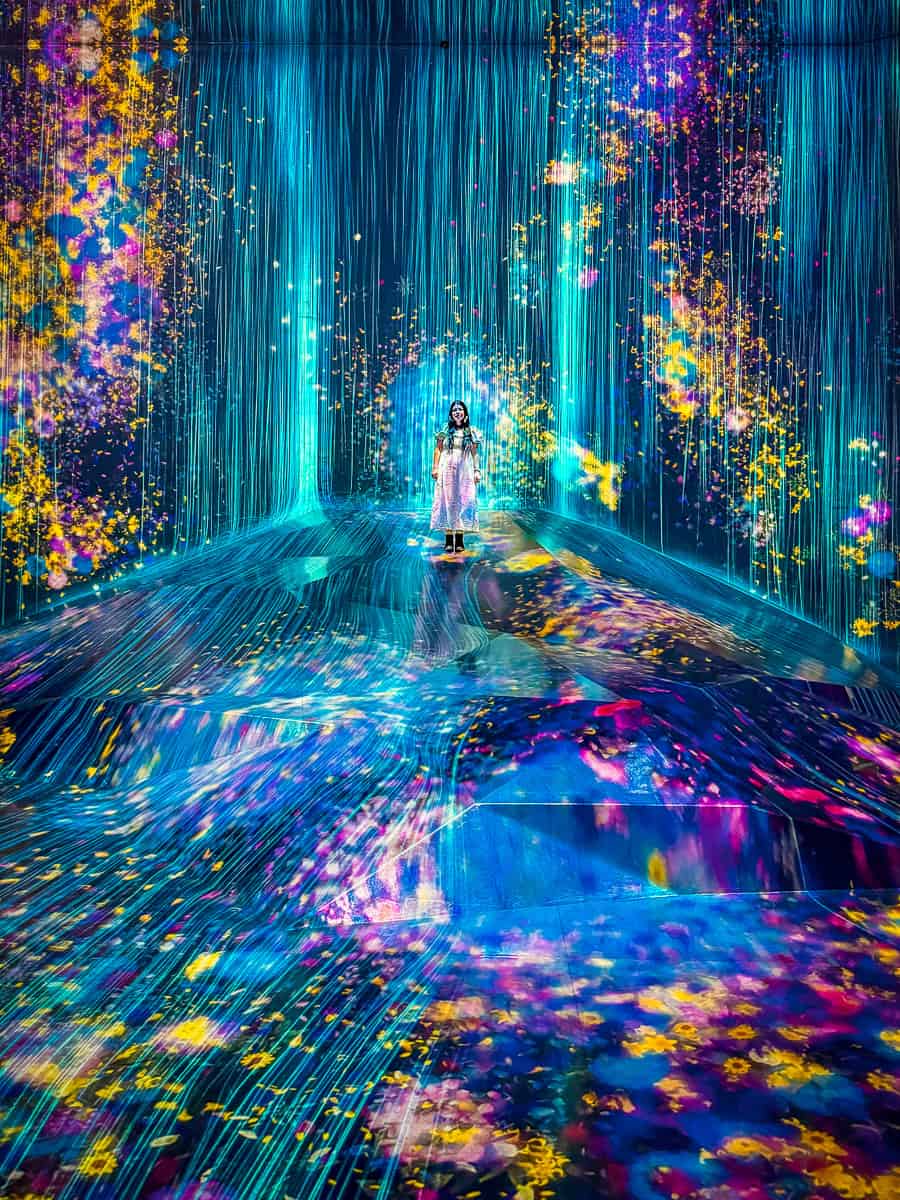
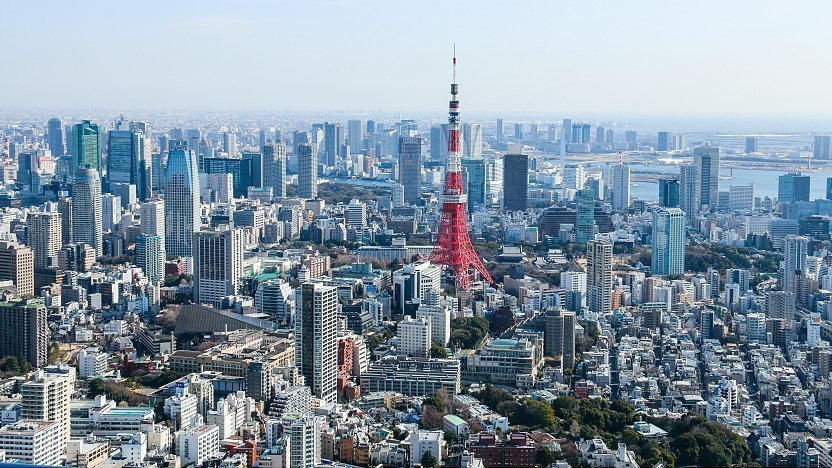
Azabudai Hills
Day 19
We take the special train to Hakone, the town famous for hot springs and views of Mount Fuji if you are lucky. We take the romance car train, which is a limited express train that runs between Shinjuku in Tokyo and Hakone-Yumoto in Hakone, Japan. We arrive in Hakone in the morning.
Gora
First we take the train towards Gora. Gora is a popular hillside hot spring town and major transportation hub located in the Hakone resort region of Kanagawa Prefecture, Japan. Gora is famous for its diverse hot spring waters, featuring five distinct types of spring water with different colors and mineral properties. It is home to many traditional ryokan (Japanese inns) and luxury resort hotels. Here is also the open air museum. But we will only be here briefly.
Sounzan
We will then take the cable car to Sounzan. Hakone Sounzan Station is a mountain transit terminal in Hakone, Kanagawa Prefecture, Japan, sitting at an altitude of 767 meters. It serves as the main connection point between the Hakone Tozan Cable Car (funicular coming up from Gōra Station) and the Hakone Ropeway (aerial tram heading toward Ōwakudani and Lake Ashi). The station features an open-air observation terrace (cu-mo Hakone) with panoramic views of the surrounding mountains and valleys.
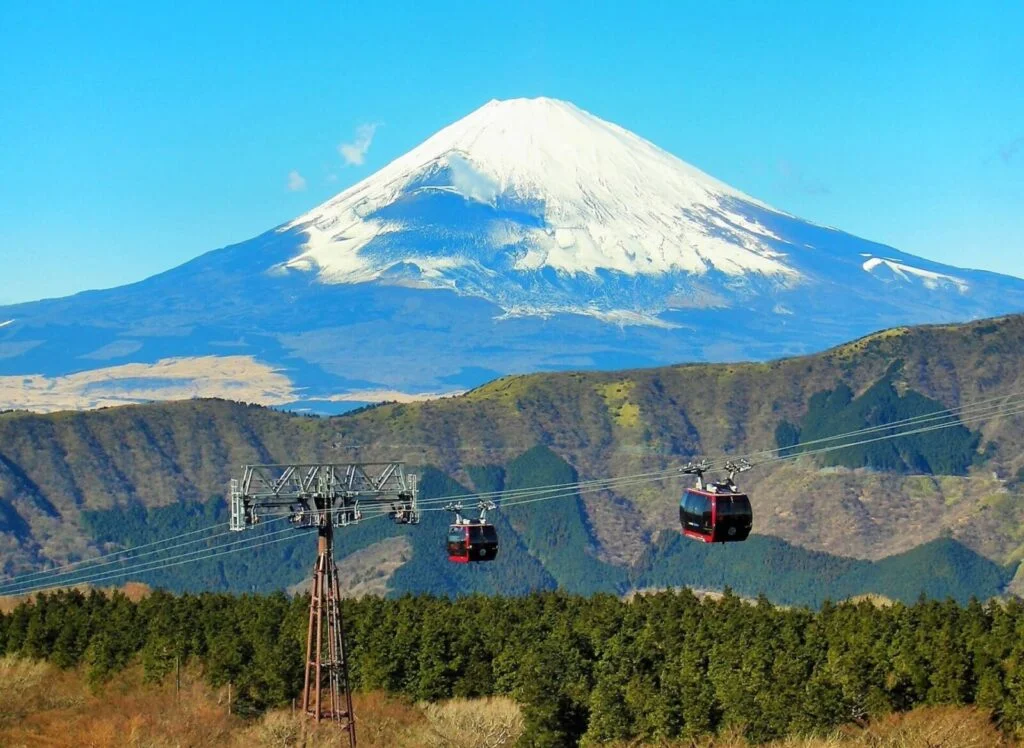
Sounzan
Owakudani
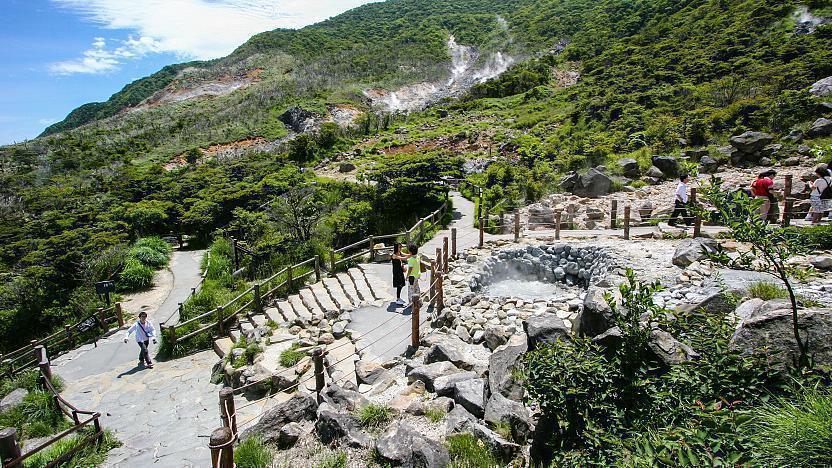
Then we take the ropeway to Owakudani, which is a volcanic valley with active sulfur vents and hot springs in Hakone, Kanagawa Prefecture, Japan. It was formed around 3,000 years ago during the last eruption of Mount Hakone. The area is famous for its black eggs (kuro-tamago), which are boiled in the naturally hot sulfuric waters. Eating one is said to add seven years to your life. Owakudani is also a popular tourist destination for its scenic views of Mount Fuji, hiking trails, and ropeway rides. The area has a unique, otherworldly landscape due to the volcanic activity.
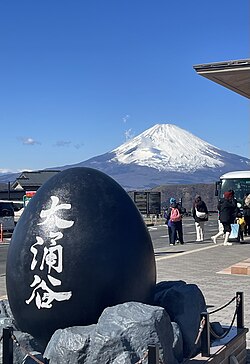
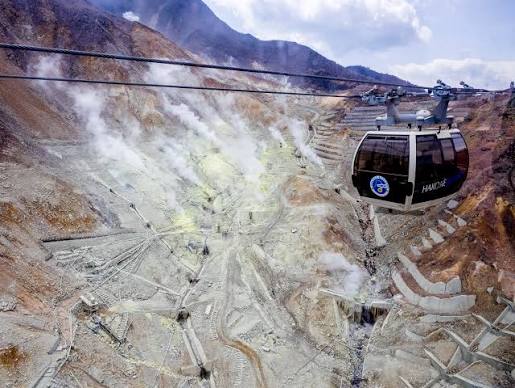
Owakudani
Lake Ashi
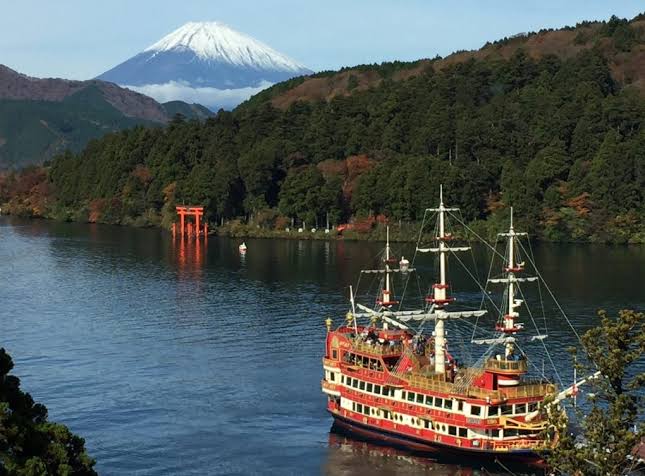
We then take the ropeway to Togendai and go on to Lake Ashi. Lake Ashi (Ashinoko) is a scenic crater lake in the Hakone area of Kanagawa Prefecture, Japan. It was formed in the caldera of Mount Hakone after the volcano’s last eruption around 3,000 years ago. The lake is known for its picturesque views of Mount Fuji, especially on clear days, and its iconic red torii gate of Hakone Shrine that appears to float on the water. Visitors can enjoy sightseeing cruises on the lake, which offer panoramic views of the surrounding mountains, forests, and hot spring resorts. The lake is also a popular destination for hiking, photography, and relaxing in the natural hot spring baths of the Hakone area. There is also a pirate ship that you can take to cross the lake, which is a fun experience.
Lake Ashi
Private Onsen
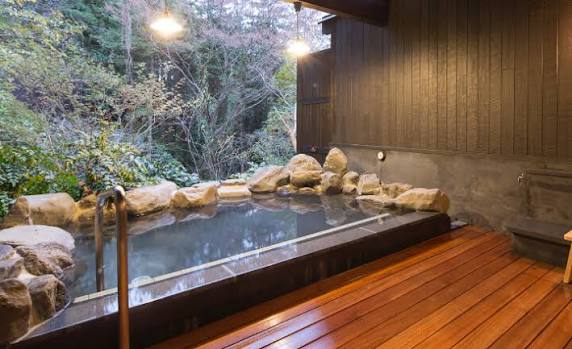
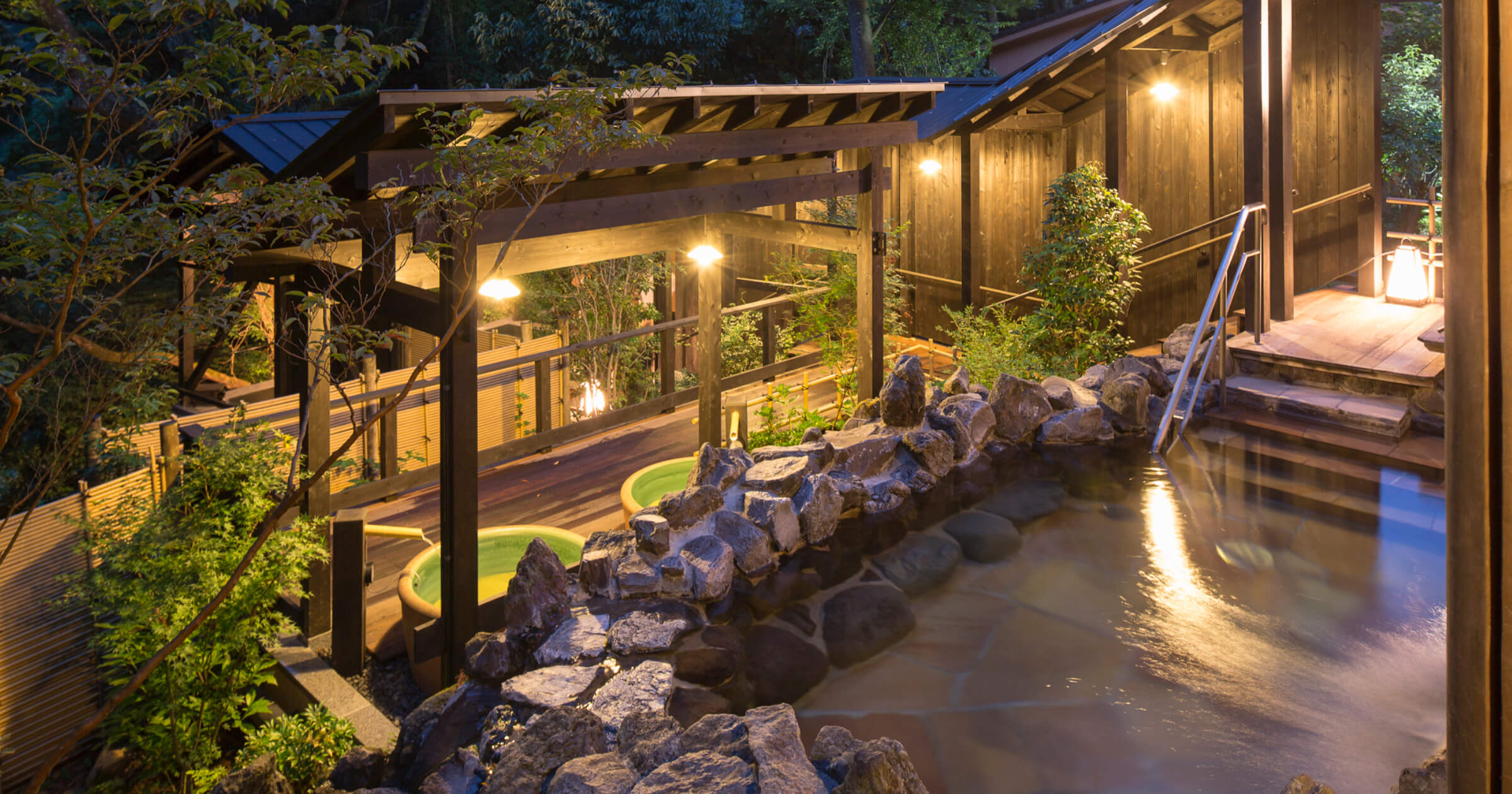
Then we take the bus back to Hakone Yumoto, and we will go to Yuryo for a private onsen experience. Yuryo is a traditional Japanese hot spring bathhouse (onsen) located in Hakone, Kanagawa Prefecture, Japan. It offers visitors a chance to experience authentic Japanese bathing culture in a serene and relaxing environment. Yuryo features both indoor and outdoor baths, with natural hot spring water sourced from the surrounding volcanic region. The outdoor baths (rotenburo) provide scenic views of the surrounding mountains and forests, allowing guests to enjoy the natural beauty of Hakone while soaking in the therapeutic waters. We specifically take the private onsen, which allows us to enjoy the hot spring experience in a more intimate and personal setting, perfect for families or couples.
Yuryo Private Onsen
After relaxing for a bit, we will take the train back to Tokyo.
Day 20
Ueno Park
Ueno Park is a large, public cultural park located in the Taito district of Tokyo, Japan. Established in 1873, it is one of Japan’s oldest official public parks. The grounds originally belonged to the influential Kan’ei-ji Temple, much of which was destroyed during the Battle of Ueno in 1868. It spans over 530,000 square meters and draws more than ten million visitors every year. It has a zoo, which is Japan’s oldest zoo opened in 1882. There are also multiple museums. Additionally there is a nice large pond and a shrine, the Ueno Tōshō-gū, dedicated to Tokugawa Ieyasu, the founder of the Tokugawa shogunate.
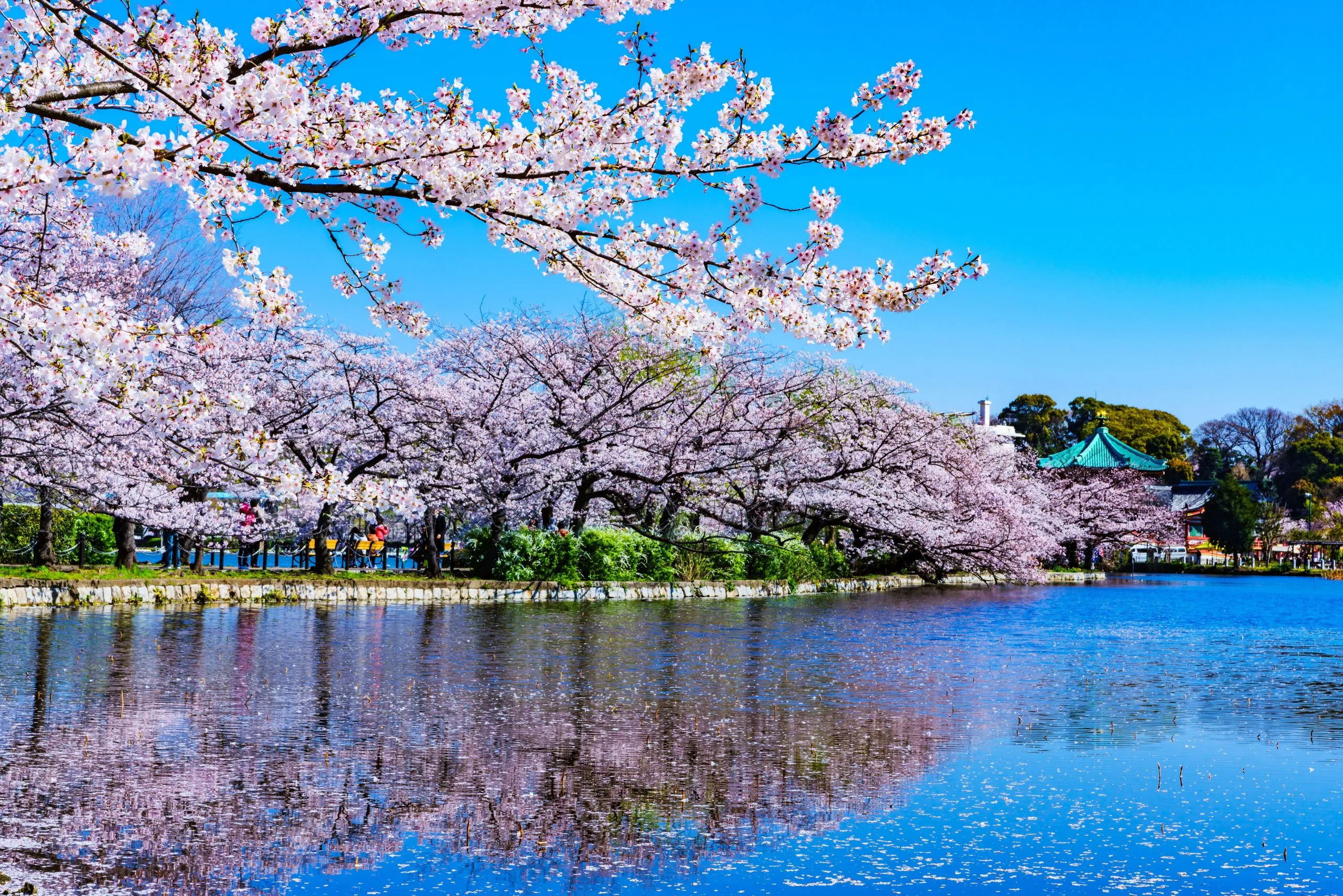
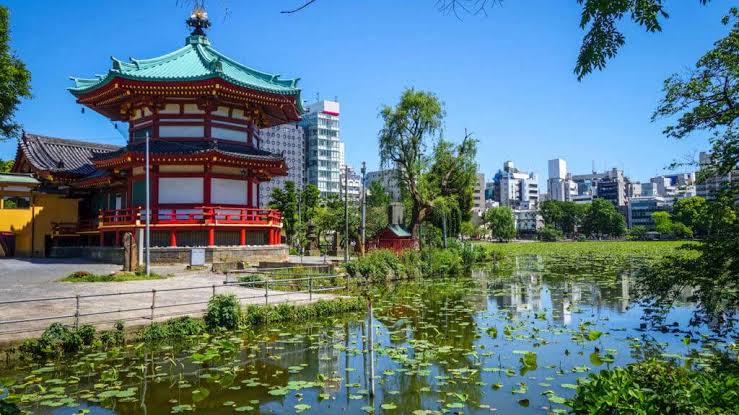
Ueno Park
Yanesan Area
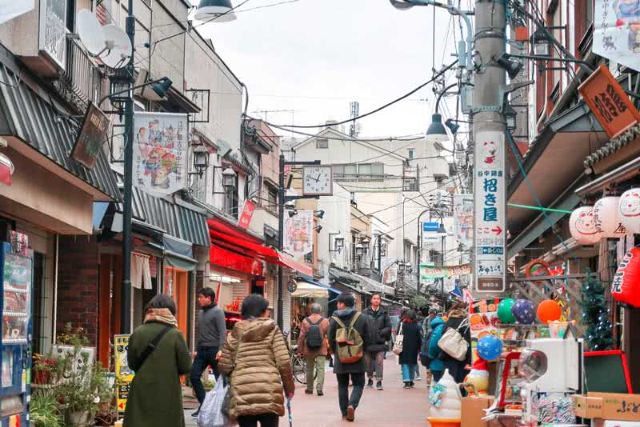
Yanesen is a nostalgic shitamachi (old downtown) district in Tokyo covering the neighborhoods of Yanaka, Nezu, and Sendagi. It is a retro neighborhood with narrow alleys, wooden houses, and a calm pace that survived major wartime destruction. Yanaka Ginza is a shopping street with traditional shops, cafés, and local crafts. Nezu Shrine is a historic Shinto shrine famous for its vibrant torii gates and azalea gardens. But my main goal is to go to Yanaka Cemetery.
Yanaka Cemetery
Yanaka Cemetery is a large, historic public cemetery located in the traditional Yanaka neighborhood of Taito Ward, Tokyo. Established in 1872 during the Meiji period, the land originally belonged to the Buddhist temple Tennō-ji. It was secularized and turned into a public burial ground as part of government policies separating Buddhism and Shintoism. Spans roughly 10 hectares (over 100,000 square meters) and holds approximately 7,000 graves. It is so large that it even has its own small police station (koban) inside the grounds. Unlike many Western cemeteries, Yanaka has a relaxed, park-like feel where locals walk, cycle, and enjoy the quiet paths alongside neighborhood cats and old temples. It has a really Japanese feel.
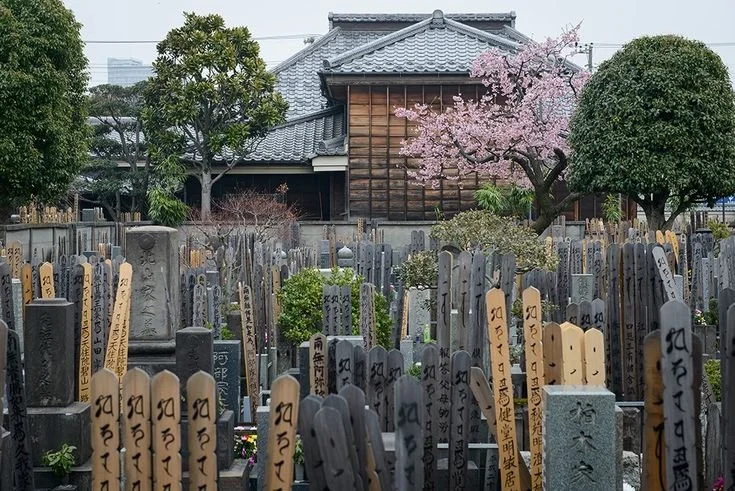
Yanaka Cemetery
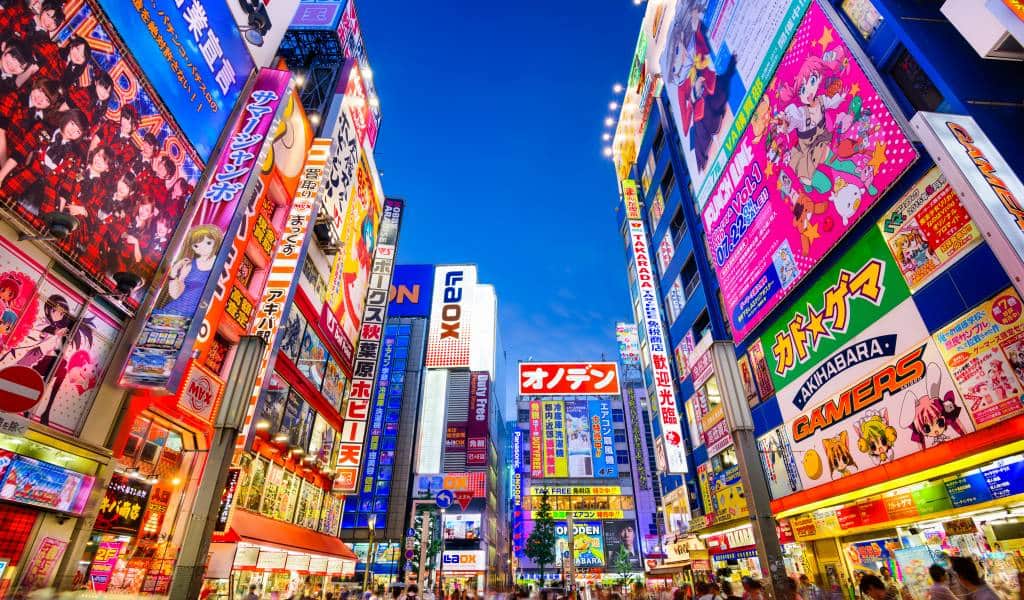
Akihabara
If we have some time, we will also pass by Akihabara, the electric town, which is a district in central Tokyo, Japan, known for its dense concentration of electronics shops, anime and manga stores, and otaku (geek) culture. Maybe we already had time to visit it earlier, but if not this is a good time to go there.
Akihabara
Odaiba
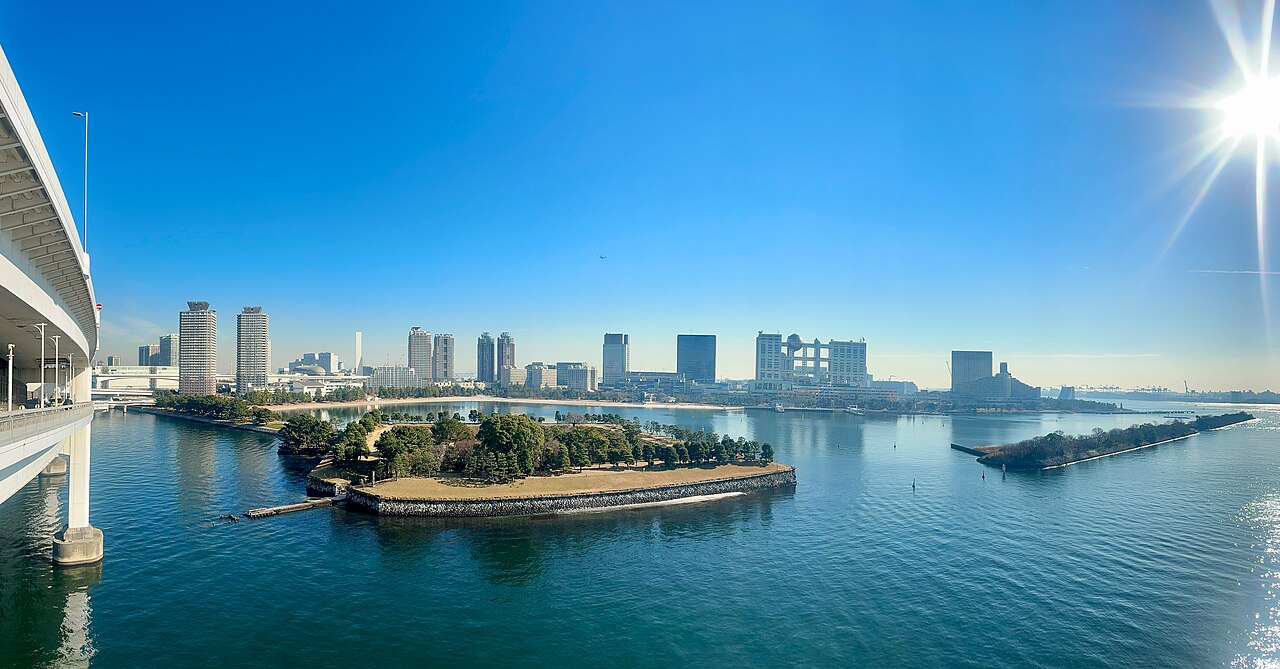
Afterwards, we have to travel a bit, but we will go to Odaiba, which is a large artificial island in Tokyo Bay, Japan. Built in 1853 by the Tokugawa shogunate as a series of defensive fort islands (daiba meaning artillery battery platforms) to protect Tokyo from marine attacks. Expanded and redeveloped in the 1990s into a futuristic commercial and residential zone. Some key attractions:
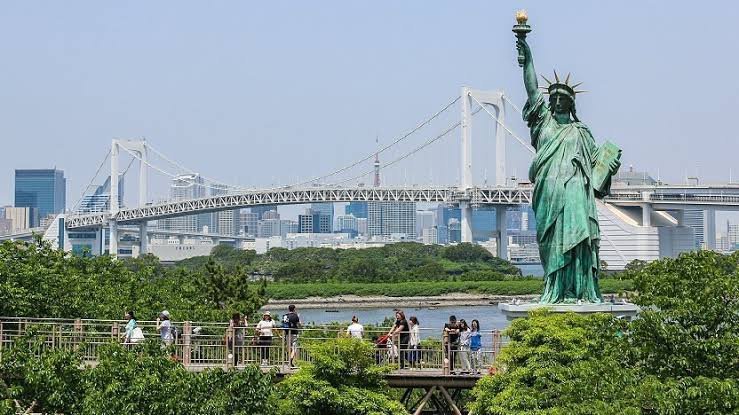
- Rainbow Bridge: An iconic two-tiered suspension bridge connecting the island to central Tokyo, featuring beautiful nighttime illuminations.
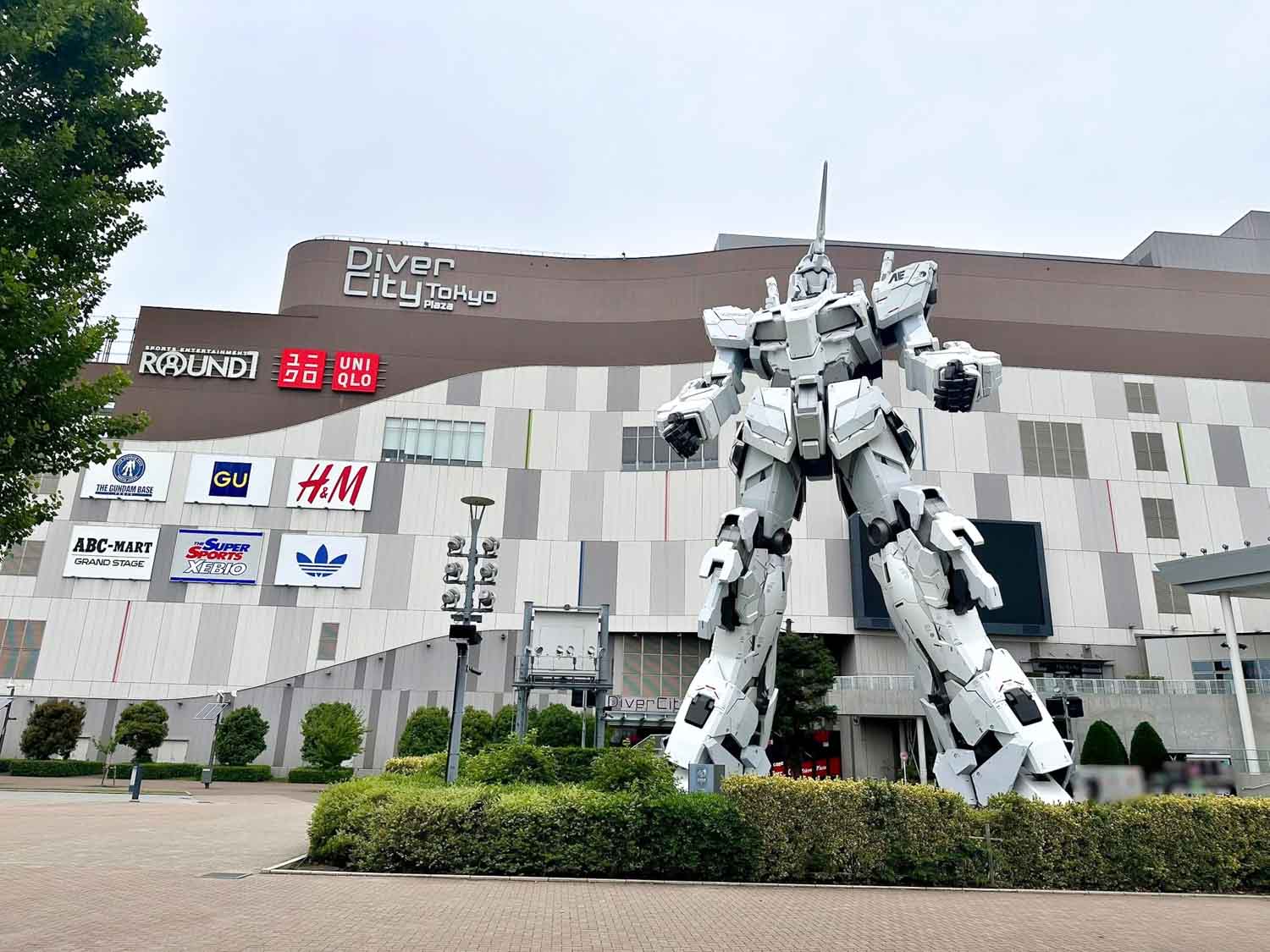
- Large complexes like AQUA CiTY Odaiba and DECKS Tokyo Beach, which house indoor theme parks and food alleys.
- A replica of the Statue of Liberty and popular pop-culture displays.
- The Miraikan (National Museum of Emerging Science and Innovation).
Odaiba
Day 21
This is the day we go back home. We can do some leftover shopping or visit one of the places we have not been yet. No big plans for this day.